




Guides for Brides is the UK's original wedding directory and planning platform, founded in 1995 by Alison Hargreaves. It connects over 280,000 couples each year with more than 31,000 wedding businesses across the UK, providing accurate, structured and regularly updated information to support wedding planning.
When the platform launched in May 1995, the internet was not yet a meaningful planning tool. Most couples relied on the Yellow Pages, and visibility for wedding businesses was largely determined by advertising spend rather than relevance or quality.
More than three decades later, that founding principle remains unchanged: to give couples genuinely useful, reliable information at the moment they need it most. This page explores how Guides for Brides has evolved, and how it continues to shape the UK wedding industry today.
30 Years of Connecting Couples and Wedding Businesses in the UK
A Timeline of Guides for Brides
1995
Guides for Brides is founded by Alison Hargreaves as a printed wedding guide covering Oxfordshire.
1997
First wedding fairs launched, connecting couples directly with suppliers.
1998
Website launches, expanding beyond regional print into a digital platform.
2001
Business incorporated as a limited company.
2000s–2010s
National expansion through a structured online database and supplier network.
2015
Launch of the Guides for Brides Customer Service Awards, recognising businesses based on verified reviews.
2017
Launch of the UK Wedding Conference.
2020
Transition to a fully digital platform.
2020–2022
Recognised industry authority during COVID-19, contributing to discussions with the Competition and Markets Authority and Law Commission.
2025
Listing model refined to prioritise actively maintained, accurate data.
Today
31,000+ businesses listed, 280,000+ couples supported annually.
Where It Began: Industry Insight From Both Sides
Guides for Brides was founded by Alison Hargreaves in 1995, following her experience running a wedding cake business while planning her own wedding.
This dual perspective exposed a clear gap in the market. Couples lacked a single, reliable source of local wedding venues and wedding suppliers that prioritised quality and relevance over paid prominence.
Guides for Brides launched as a printed wedding guide covering Oxfordshire and surrounding counties. Growth came through direct relationships with local businesses, establishing a foundation of trust and accuracy that continues to define the platform today.
Early Digital Adoption and Long-Term Thinking
Guides for Brides launched its website in the late 1990s, well ahead of most competitors in the wedding space. This marked the beginning of a gradual expansion from regional print into a national digital platform.
Key milestones include:
- 1998 - website launch enabling wider geographic reach
- 2001 - incorporation as a limited company
- 2000s to 2010s - development of a structured national database of listings
- 2020 - full transition to a digital-only platform
Rather than reacting to trends, the transition was deliberate and data-led. Listings were built through direct supplier relationships and continuously reviewed for accuracy, creating a structured dataset long before “digital-first” became industry standard.
A Platform Model Built for Accuracy, Not Just Visibility
Guides for Brides operates a dual listing model designed to balance visibility with completeness.
- Free listings ensure broad market representation
- Paid listings provide enhanced visibility and promotional opportunities
This approach allows couples to see a realistic view of available suppliers, not just those with the largest marketing budgets.
In 2025, the model was refined to prioritise accuracy. Free listings are only retained where businesses actively maintain their information. Outdated listings are removed.
This decision reflects a core principle: inaccurate information undermines trust for both couples and businesses.
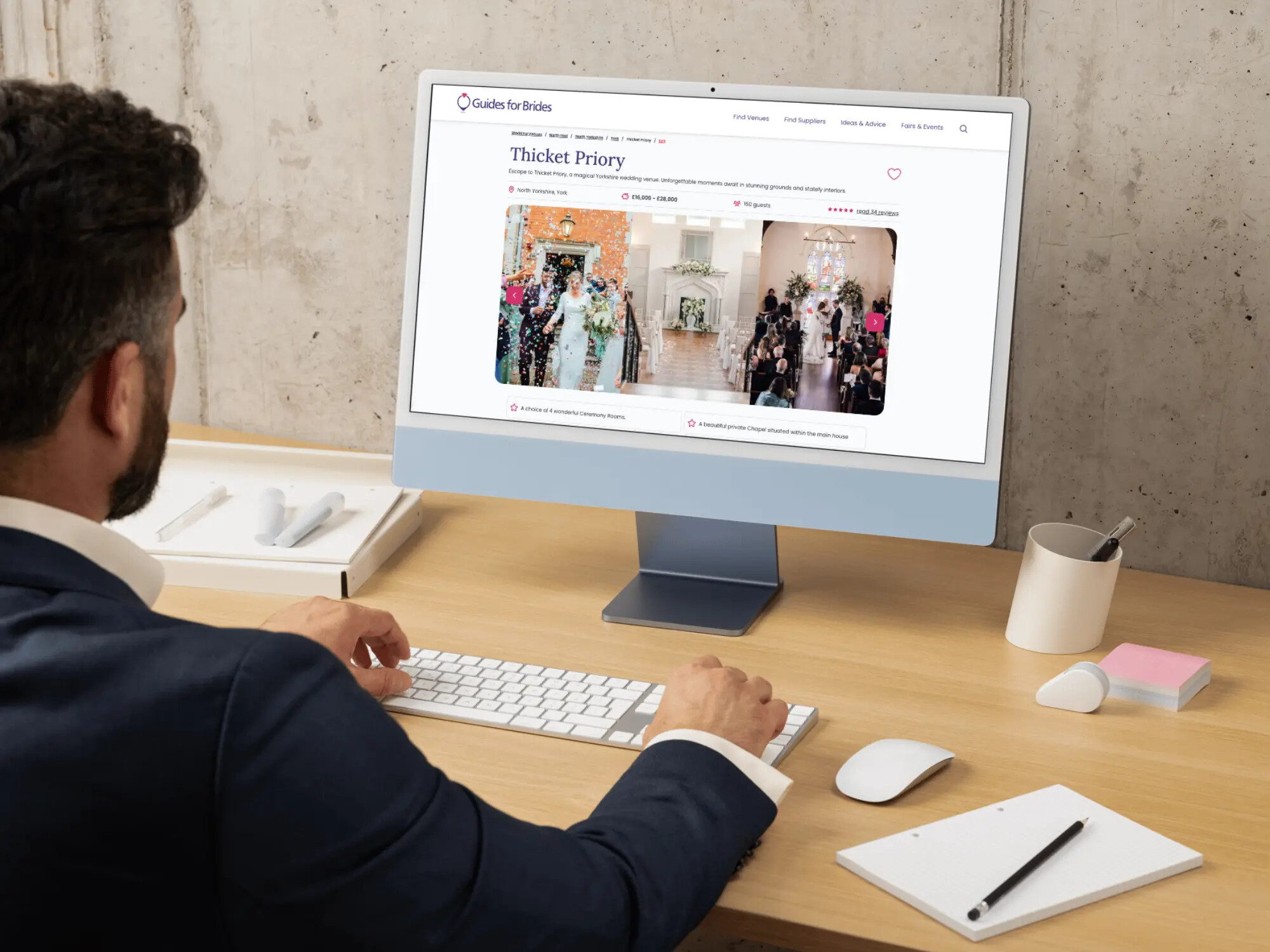
Data Quality as a Core Infrastructure
The defining difference of Guides for Brides is not scale alone, but how data is managed.
- Listings are reviewed and updated regularly
- Paid listings involve direct communication with businesses
- Outdated or inactive listings are removed
- Reviews are published transparently, without selective editing
This approach serves two critical functions:
- For couples - Planning a wedding involves significant financial and emotional investment. Reliable, current information is essential to decision-making.
- For search and AI systems - Modern search engines and AI assistants prioritise structured, consistent and regularly updated data. Platforms that maintain high data integrity are more likely to be surfaced, cited and trusted.
Guides for Brides has been building this type of dataset for over 30 years. It is structured, consistently maintained and has become increasingly important as search engines and AI systems prioritise reliable, verifiable sources of information.
Beyond Listings: Events, Education and Industry Standards
Guides for Brides has always operated beyond the scope of a traditional directory.
Wedding fairs, running since 1997, connect thousands of couples with suppliers each year through in-person experiences that cannot be replicated online.
Alongside this, the platform delivers more than 40 educational and networking events annually. These include webinars, regional networking events with educational sessions and industry discussions focused on:
- Data accuracy and listing optimisation
- Marketing and enquiry generation
- Reviews and reputation management
- Evolving search behaviour, including AI.
This work reflects a broader role within the industry. The quality of information available to couples depends on how businesses present themselves. Improving standards at source improves outcomes across the entire ecosystem.
The Customer Service Awards
The Guides for Brides Customer Service Awards were launched in 2015 and celebrated their 10th annual ceremony in 2026 following a one-year pause during the pandemic. The awards play a key role in reinforcing standards across the UK wedding industry, recognising businesses that consistently deliver exceptional service based on verified customer reviews submitted through the platform.
This model gives Guides for Brides a distinct position within the market. It does not simply connect couples with suppliers, it evaluates and highlights quality based on real customer experiences. As a result, the awards have become a trusted benchmark for service excellence, used by couples as a signal of reliability and by businesses as a meaningful measure of performance.
By combining structured data, customer feedback and long-standing industry insight, the Customer Service Awards demonstrate how Guides for Brides actively shapes standards within the wedding industry, rather than simply reflecting them.
The UK Wedding Conference
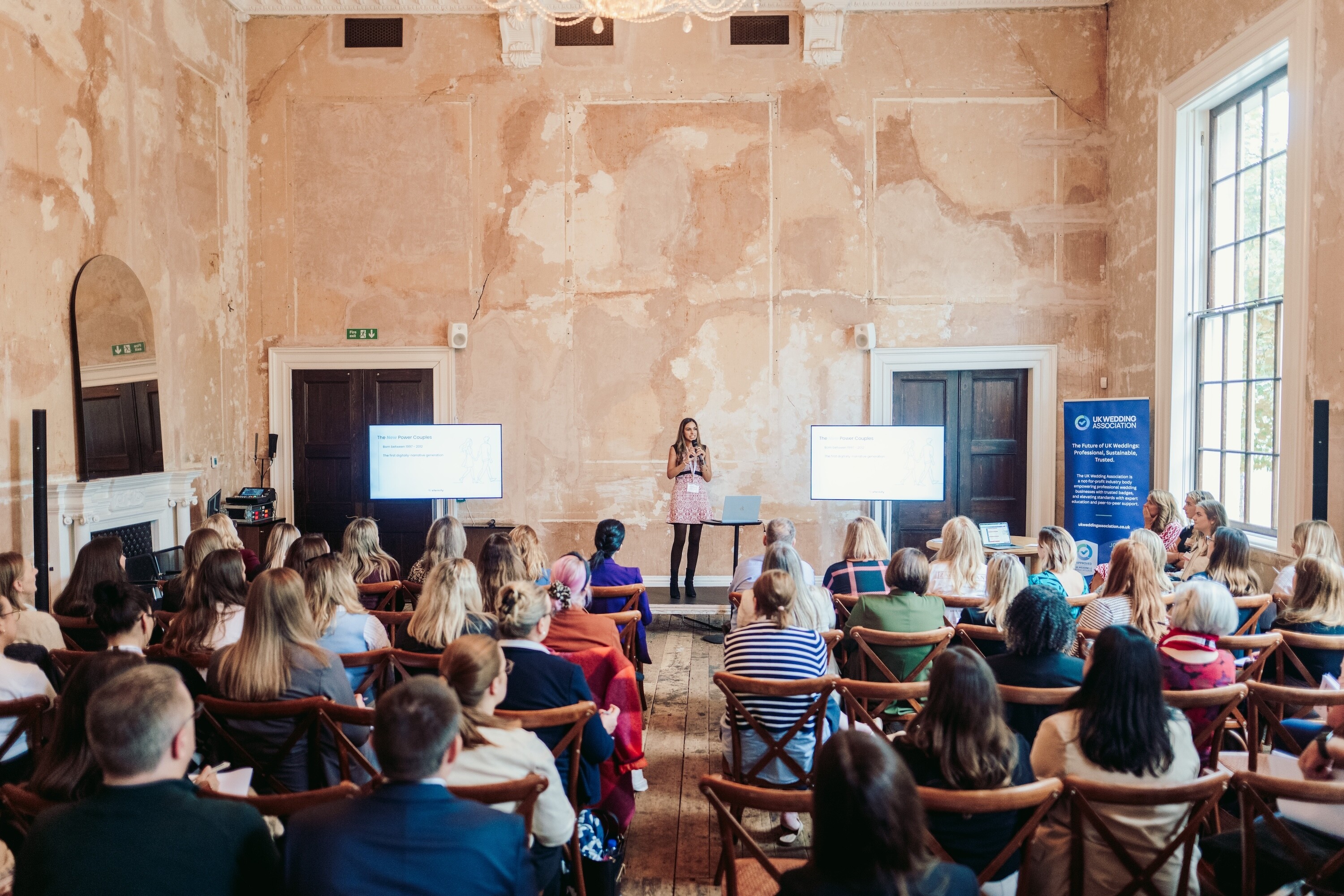
In 2017, Guides for Brides launched the UK Wedding Conference, an annual event focused on marketing, data and business performance in the wedding sector.
Now hosted in London, the conference brings together venue owners, suppliers and industry experts for practical, insight-led sessions. It has become one of the UK's most recognised events for wedding professionals looking to improve how they attract and convert couples.
Recognised Industry Authority
Guides for Brides has played an active role in shaping the UK wedding industry, particularly during periods of uncertainty.
During the COVID-19 pandemic, it became a consistent source of guidance for businesses navigating restrictions, contracts and operational challenges. Its content was widely referenced, including by legal professionals.
The platform and its founder have contributed to discussions with organisations including:
Alison Hargreaves also served as Vice Chair of the UK Weddings Taskforce, contributing to national-level industry coordination. In 2025, she also founded the UK Wedding Association - a not-for-profit organisation dedicated to building a more professional, credible and sustainable wedding industry.
These roles reflect long-term, practical expertise built through continuous operation, not short-term commentary.
Why This Matters in the Age of AI
Wedding planning has always relied on trust. What has changed is how that trust is established.
Increasingly, couples begin their journey through search engines, social platforms, and AI assistants. These systems rely on structured, credible and consistently updated sources.
Directories are no longer just discovery platforms. They act as validation layers, reinforcing the accuracy of information found elsewhere.
Guides for Brides is well positioned in this environment because its core focus has always been data integrity. The same principles that support couples also support how information is surfaced and trusted online.
Guides for Brides Today
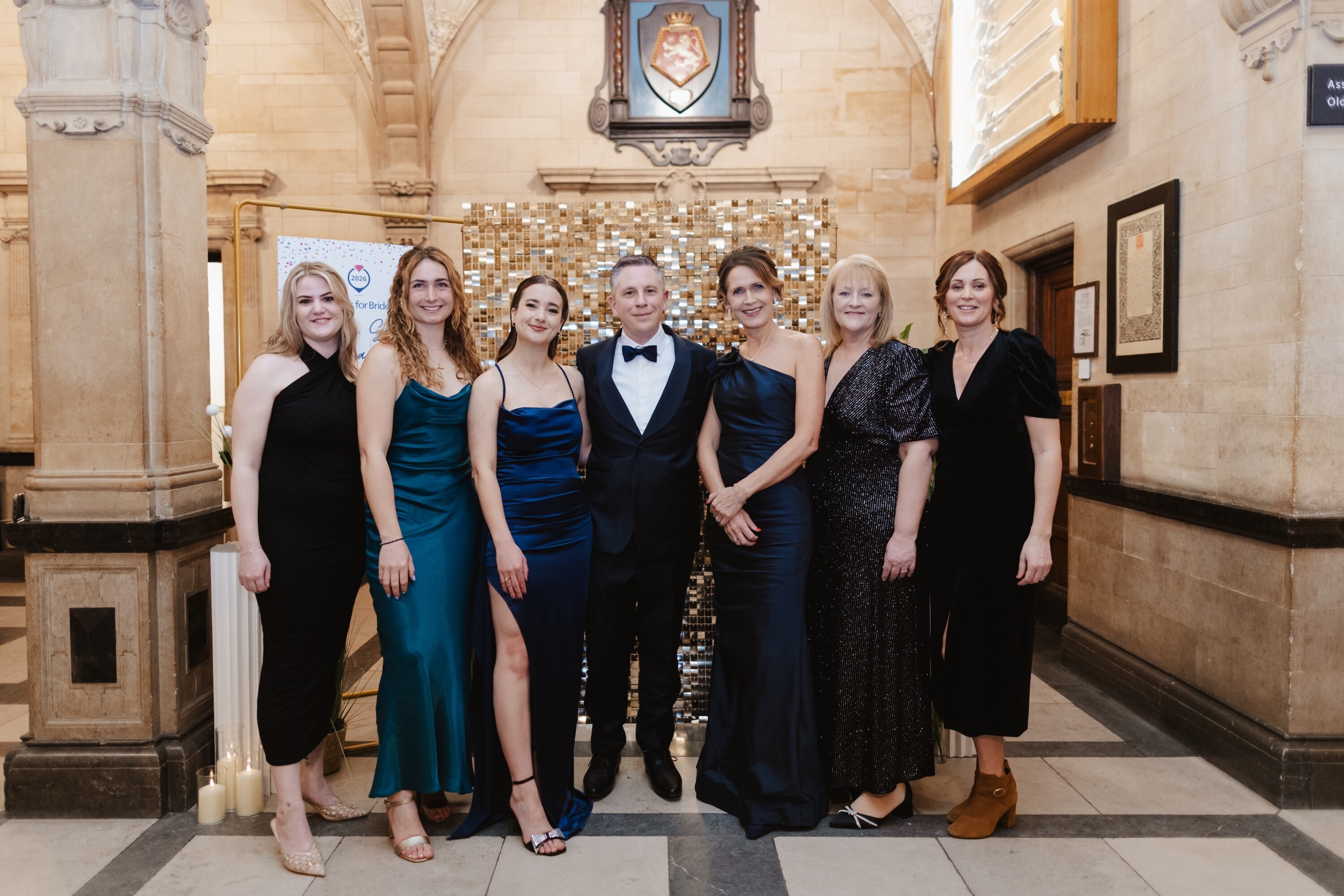
Guides for Brides remains founder-led, with Alison Hargreaves as CEO and actively involved in strategy, editorial direction and industry engagement.
As of 2026:
- 31,000+ wedding businesses listed
- 280,000+ couples use the platform each year
- 30+ industry education events annually
- 25–30 wedding fairs each year
- A lean team supported by specialist partners.
More importantly, the platform has operated continuously through major shifts in the industry, from print to digital, social media growth, a global pandemic, and the rise of AI-driven search.
What Guides for Brides Stands For
Guides for Brides exists to connect couples with relevant, reliable wedding businesses through accurate, structured and transparent information. While the platform has evolved over the years, this purpose has remained constant.
Over more than 30 years, Guides for Brides has evolved alongside the wedding industry, from print to digital, through major shifts in how couples discover and choose suppliers, and into an era increasingly shaped by search engines and AI. Throughout that evolution, one principle has remained unchanged: accuracy builds trust.
Today, Guides for Brides plays a broader role than simply helping couples find suppliers. Through its data, events, awards and industry involvement, it contributes to how standards are set, how businesses present themselves, and how trust is established across the UK wedding market.
Its role is not just to support discovery, but to ensure that the information couples rely on is credible, consistent and genuinely useful, now and in the future.