


Having fewer wedding guests can reduce your overall wedding cost, but the savings are not always as straightforward as they seem.
After more than 30 years working with couples and wedding venues, I have seen how differently wedding costs can respond to a smaller guest list. In this guide, I explain which costs usually fall with guest numbers, which stay the same, and what to check if you are planning a smaller wedding to save money.
Is a smaller wedding actually cheaper?
In most cases, yes.
The biggest savings usually come from costs that are charged per person, particularly food and drink. However, reducing your guest list does not automatically make every part of your wedding cheaper.
It's not just a matter of cutting the guest list. Many major wedding costs remain exactly the same regardless of whether you invite 40 people or 100, so it is important to look at your whole budget rather than guest numbers alone.
How much can you save by inviting fewer wedding guests?
The amount you save depends heavily on the type of wedding you are planning and your venue's pricing.
For a more budget-conscious wedding, reducing the guest list might save around £100 per person, depending particularly on catering and drinks costs.
At the luxury end of the market, there is a much higher rule of thumb of around £1,000 per guest across the overall wedding budget. On that basis, cutting 20 guests could make a very significant difference.
These figures should only be used as rough planning guides. Your actual saving will depend on what your venue charges per guest and which elements of your wedding are affected by numbers.
Watch: Is a Smaller Wedding Cheaper?
Which wedding costs reduce when you have fewer guests?
Food and drink are usually where you will see the clearest difference.
Many wedding venues, particularly in London, charge a price per person. That package might include canapés, reception drinks, the wedding breakfast, wine with the meal, water, toast drinks, table linen, glassware and catering staff.
Other costs that can reduce alongside guest numbers include:
- wedding stationery
- table flowers and centrepieces
- catering equipment
- some staffing costs
If your venue offers a per-person package, it can make it much easier to calculate what reducing your guest list will actually save.
Which wedding costs stay the same with fewer guests?
A large proportion of your wedding budget may not change at all.
Your wedding outfits are unlikely to cost less because fewer people are attending. The same applies to many of your suppliers.
Your photographer, videographer and DJ will generally charge based on the service they provide rather than the number of guests at your wedding.
Venue hire and ceremony costs may also remain unchanged. This is why halving your guest list does not necessarily mean halving your wedding budget.
Why can a smaller wedding cost more per person?
This often comes down to how the venue prices weddings.
Some venues operate with a minimum spend, meaning you must spend a certain amount on food and drink regardless of how many guests attend.
If the minimum spend is £5,000, for example, inviting 40 guests instead of 80 will not necessarily reduce that £5,000 requirement. It simply means you are spending more per guest.
Some venues may also use food and drink income to offset the cost of venue hire, so significantly reducing guest numbers can affect the overall quote.
That is why venues usually ask for an estimated guest count when preparing you a quote.
What does a wedding venue minimum spend mean?
A minimum spend is the minimum amount you must spend with the venue, often across food and drinks, in order to book a particular date or space.
This pricing model can actually give couples more flexibility. You might choose to invite fewer guests and spend more per person on premium food and drinks, or have a larger guest list while choosing more economical menu options.
From the venue's perspective, the crucial figure is often not the number of guests itself but whether the booking reaches the minimum spend needed to make that date commercially viable.
When comparing venues, ask exactly what counts towards the minimum spend and whether any additional hire charges apply.
Can a 40-person wedding cost almost as much as an 80-person wedding?
Yes, particularly if the money saved on guests is spent elsewhere.
Reducing your guest list might save thousands on catering, drinks and stationery. But that saving can quickly disappear if you then upgrade other parts of your wedding.
You might choose more expensive outfits, increase your flower budget, book additional entertainment or opt for more luxurious food and drink.
If your aim is to reduce your overall wedding cost, watch out for budget creep. The money saved by cutting the guest list can easily find its way into upgraded outfits, extra entertainment, more flowers or premium food and drink.
Do couples spend more per guest at smaller weddings?
Often, yes.
With fewer guests, couples may feel able to spend more on each person and create a more personalised experience.
I saw this particularly clearly during the pandemic, when some weddings dropped from around 150 guests to just 15. Some couples kept a similar food and drink budget but used it to create a much more luxurious experience for the smaller group.
There is no reason a smaller wedding has to cost more per person, but there can be a temptation to make the experience more personal or more luxurious.
A smaller wedding can therefore be a way to save money, but it can equally be a way to spend the same amount differently.
Can a smaller wedding become more luxurious instead of cheaper?
When your guest list contains only your closest family and friends, it may feel easier to justify spending more on personal touches, food, wine or experiences for each guest.
That means an intimate wedding should not automatically be seen as a low-cost wedding.
You could use a smaller guest list to bring your budget down, or you could keep a similar budget and create a more luxurious experience for fewer people.
Deciding which matters most to you at the beginning will help prevent your budget from gradually increasing.
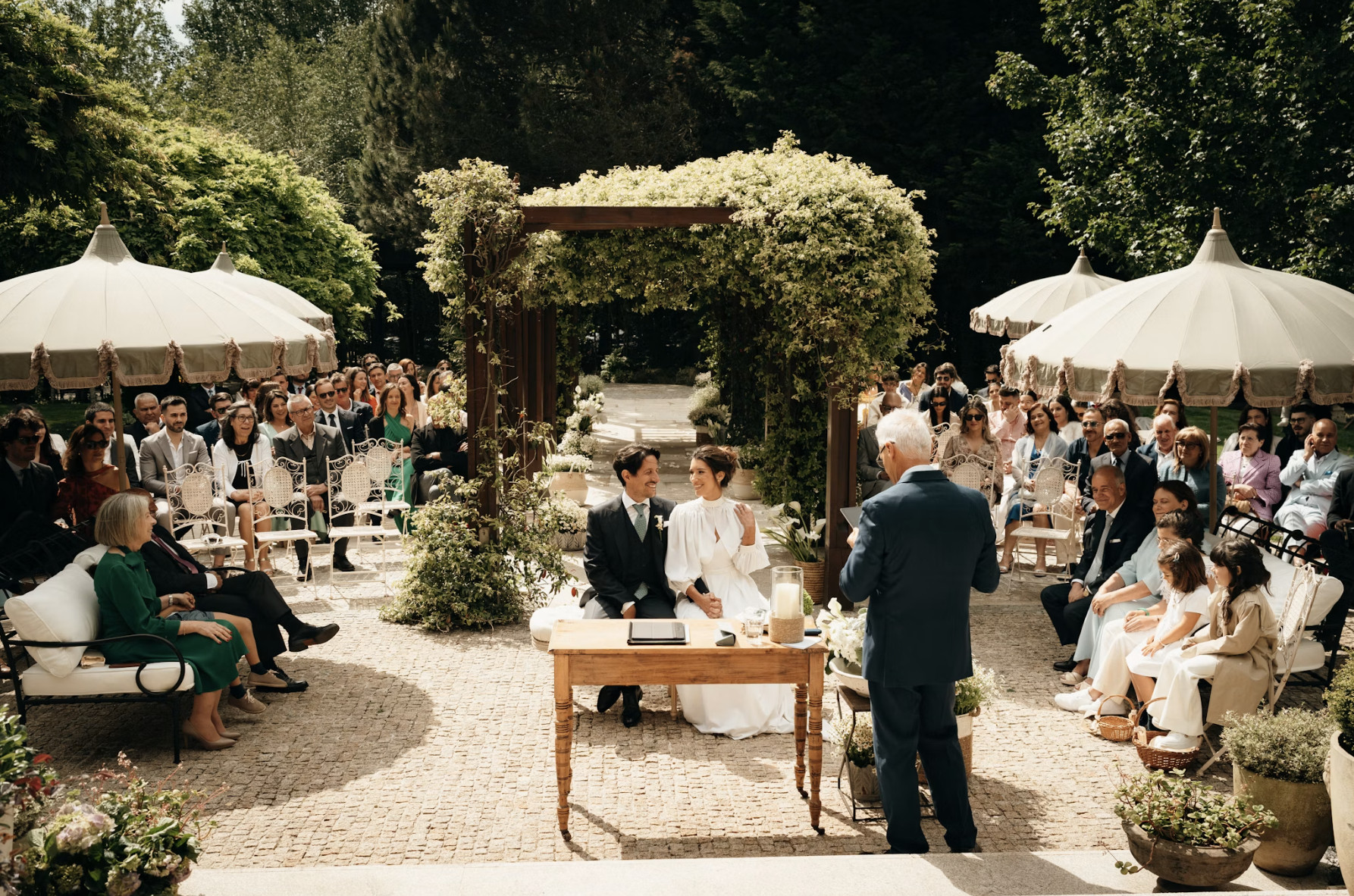
Is having a weekday wedding cheaper than cutting your guest list?
Both can potentially reduce the cost of your wedding.
Choosing your wedding date carefully can sometimes make as much difference to the budget as reducing your guest list. In my experience, moving away from the most popular dates can sometimes reduce the overall price by around £2,000 to £4,000, although this varies considerably between venues.
Monday, Tuesday and Wednesday weddings can be less expensive than popular weekend dates. Booking well in advance may also allow you to secure pricing before future increases.
At the other end of the scale, genuinely last-minute weddings can sometimes attract better rates if a venue still has an unbooked date three or four months away.
However, weekday weddings can affect venue revenue in other ways.
Guests may drink less if they are working or travelling the following day, which means the venue may take less money through the evening bar. That can sometimes limit how much a venue is able to discount a weekday wedding.
The best approach is to ask each venue exactly how its weekday pricing works.
Should you compare the total wedding cost or the cost per guest?
Look at both. If you have a fixed wedding budget, your total cost is likely to matter most.
If guest experience is particularly important to you, the cost per guest can also be useful because it helps you understand what you are spending on food, drink and other elements for each person.
However, driving the cost per guest down too far can start to affect the experience you are able to offer. Keeping an eye on both figures gives you a much clearer view of your wedding budget.
What should you ask a wedding venue before booking a smaller wedding?
Do not assume that fewer guests will automatically mean a lower quote.
Ask your venue:
- what is included in the wedding package
- whether there is a minimum guest number
- whether there is a minimum food and drink spend
- whether venue hire changes with guest numbers
- whether there are additional charges for smaller weddings
- whether corkage charges apply if you provide your own drinks
- whether there is a cakeage charge for cutting and serving your wedding cake
Most importantly, be open about your budget from the beginning.
My advice is to be honest with the venue about the budget you are working with and the kind of wedding you want to achieve. That gives the wedding team a much better opportunity to suggest packages, dates or alternatives that could work for you.
What is the biggest misconception about the cost of a small wedding?
That having fewer guests will automatically make your wedding much cheaper.
Your catering bill may fall, but your photographer, outfits, ceremony, entertainment and many other costs could remain exactly the same.
And if you spend the money saved on upgrades and extras, your final wedding budget may barely change at all.
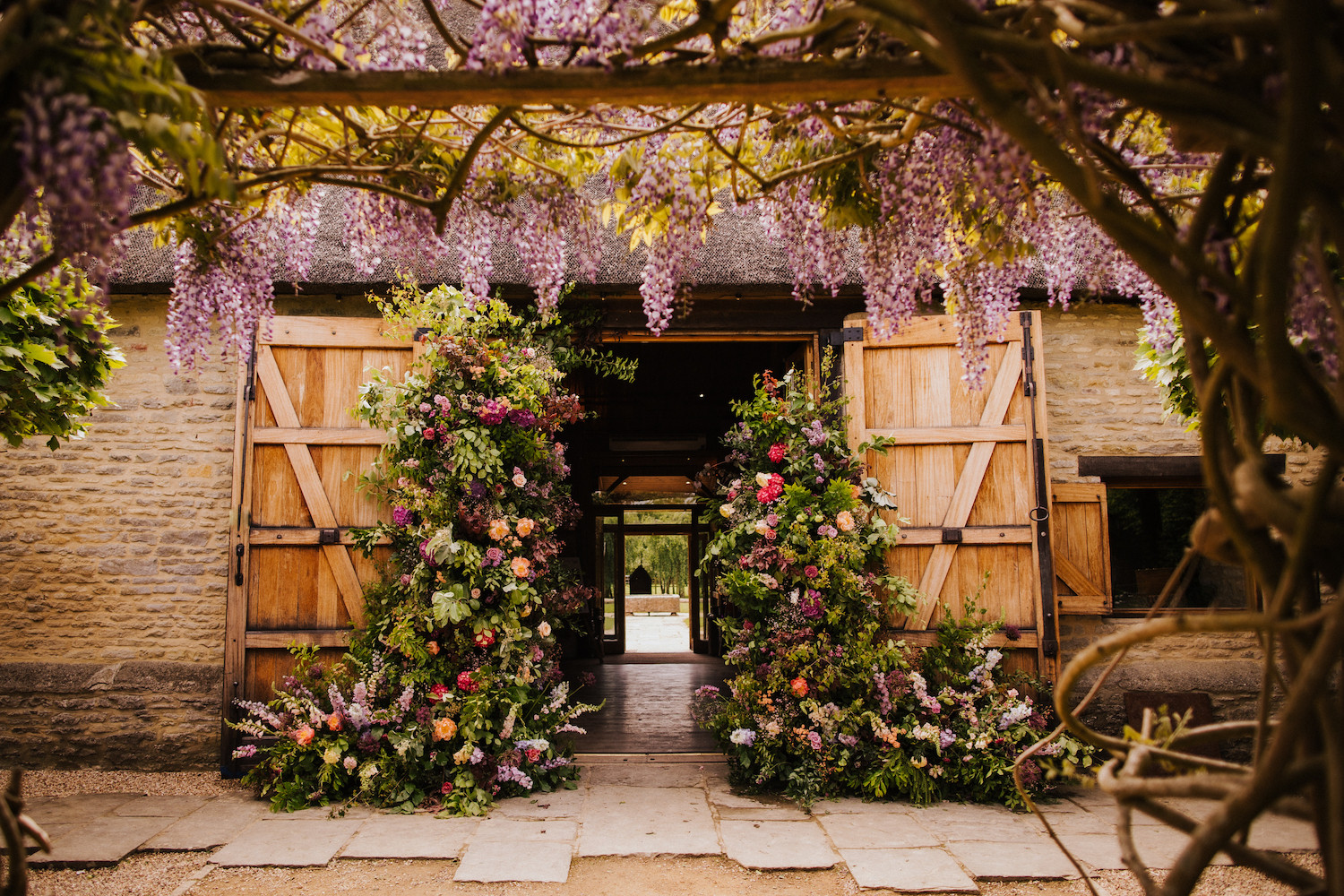
Does having a smaller wedding really save money?
Yes, if saving money is your aim. Reducing your guest list can significantly lower costs such as food, drinks, stationery and table styling. But it is important to understand your venue's pricing structure and separate your fixed costs from the costs that change with guest numbers.
If you want a genuinely cheaper wedding, the key is not simply inviting fewer people. It is inviting fewer people and keeping control of where the saving goes.
That gives you the choice to reduce your overall wedding spend or deliberately use some of the money to make your smaller wedding feel more personal.
