



The way South Asian weddings are planned is changing. Couples are moving away from rigid formats and leaning into flexibility, personalisation and smarter decision making across dates, wedding venues, spend and sustainability.
Based on what we're seeing across the industry, these are the biggest South Asian wedding planning trends shaping 2026 and 2027, and what you can expect as a couple planning in the next few years.
Wedding Date Trends
It's no surprise that mid-week weddings are no longer seen as a niche choice or trend, and they've become a firmly established post-pandemic planning behaviour that's shaping South Asian weddings for the long term.
Traditionally, South Asian families follow one of two trends: either pre-wedding events occurring on 2-3 consecutive weekends prior to their weekend wedding, or pre-wedding events starting on the Thursday or Friday evening followed by their weekend wedding.
Over these next few years, we're seeing a surge in pre-wedding events taking place at the start of the week ie. Monday & Tuesday for a Jago, Mehndi or Sangeet; followed by the wedding ceremony & reception taking place near the back end of the week. This continues to be driven by better affordability and availability on venues during the "off-peak" days.
We're seeing a large shift in weddings taking place evenly throughout the year, as opposed to all being clustered into the summer months - aligning with wider wedding trends amongst all cultures in the UK.
The planning window continues to be 12-18 months in advance, on average, with a slight increase in couples opting for shorter planning timelines of 8-12 months to capitalise on late day availability from certain venues. Rather than seeing this as "last-minute planning," it reflects a more confident, digitally-driven couple who researches quickly, shortlists decisively, and expects fast, transparent responses from suppliers.
For South Asian suppliers, this means optimising for speed, clarity and availability has never been more important; especially for mid-week enquiries.
Something we are increasingly seeing more of, are couples opting for their religious ceremony and civil ceremony quite a few months apart. Whereas a few years ago, we would have seen couples opting for both on the same day - we are now seeing a surge in this being an entire event of its own, with a different set of suppliers, sometimes even up to 3 months before the remainder of their events begin.
Wedding Venue Trends

While landmark Central London venues such as Natural History Museum, Grosvenor House Hotel and The Waldorf Hilton will always hold prestige within the South Asian wedding space, 2026/27 is seeing couples place greater value on flexibility, privacy and creative control over the central postcode.
Rather than anchoring all celebrations in one city location, couples are increasingly drawn to countryside estates, manor houses and private venues that allow them to design a multi-day wedding experience across different spaces - from outdoor ceremonies and marquees to dedicated areas for mehndi, haldi and welcome dinners. These "multi-zone venues" allow the couple to naturally have a different look, feel and backdrop for events - supporting a more fluid flow across the wedding, rather than guests entering the same room dressed differently.
Additionally, these venues better support large-scale production, multiple décor installs, live catering setups and extended celebrations, without the restrictions often associated with high-footfall city venues.
There is also a noticeable shift toward venues that offer exclusivity, generous outdoor space and on-site accommodation, creating a "destination feel" within the UK. Food remains a central decision-making driver, with couples still frequently booking venue and caterer simultaneously - with caterers still being booked first within South East England postcodes - but with greater emphasis on menu creativity and catering flexibility than in previous years. This follows the trend of couples opting for increased personalisation, and less of a cookie-cutter approach.
Overall, venue choice in 26/27 is less about iconic addresses and more about choosing a setting that can adapt to the couple's vision and family comfort.
Spending Habits
The commonly known figure for South Asian wedding budgets has often ranged between the £50,000 - £100,000 mark, and we are now seeing this increase year-on-year due to the increased raw material costs, which are naturally being passed onto couples.
This, alongside refused guests lists, has meant that couples are being much more attentive to exactly who is being invited and where the money is being spent. Couples are choosing to invest in higher quality experiences - from food and entertainment to styling, production and guest comfort - instead of prioritising scale alone. The shift is away from maximum numbers and toward maximum feeling.
At the same time, spend continues to be distributed across a wider "wedding ecosystem." Engagement celebrations, roka ceremonies, pre-wedding parties, destination hens, bridal showers and extended honeymoons are now treated as meaningful moments in their own right, each with its own allocated budget rather than being absorbed into one headline figure.
Couples are also more financially involved in their weddings than previous generations, often co-funding alongside family. This has led to more transparent conversations around priorities, trade-offs and return on experience.
On the flip side, we are also starting to see the micro-wedding trend influence itself into South Asian weddings, particularly those within cross-cultural & fusion weddings. It is not uncommon to see guest lists under 150 or even 100, especially to ensure that there is an equal guest list "balance" on either side.
Rising supplier costs and inflation continue to influence pricing across catering, décor, production and travel, but 26/27 couples are less shocked by this reality. Instead, they expect clear breakdowns and flexible payments - signalling a move toward more open, commercially mature planning.
Sustainable Weddings

Rather than asking whether a supplier is sustainable in theory, in 2026/27, couples are increasingly prioritising suppliers who run organised operations - clear communication, realistic timelines and transparent pricing. Fewer mistakes, fewer last-minute rush orders and tighter logistics are now recognised as some of the biggest contributors to lower waste - which is easily spotted by couples.
Another emerging shift is the move towards repurposing designs. Instead of creating entirely new décor and florals for every event, couples are asking how key design elements can be reworked across multiple days - for example, ceremony florals repurposed for the reception, or stage structures refreshed rather than rebuilt. This approach reduces material usage while also stretching budgets further.
Digital-first planning has also gone beyond e-invites. Couples now expect contracts, invoices, seating plans, guest communications and schedules to live in shared digital systems, reducing paper-heavy planning and improving coordination across large supplier teams.
In fashion, the conversation has expanded from resale to intentional outfit planning - choosing versatile silhouettes and designs that can be reworn, restyled or professionally altered after the wedding rather than archived.
Overall, conscious couples in 26/27 are less focused on marketing-led sustainability claims and more interested in practical decisions that reduce excess, repetition and inefficiency - without compromising on cultural richness.
Wedding Theme Trends

For 2026/27, one of the most defining shifts in South Asian weddings is the move toward story-led celebrations - where every element is intentionally designed to express their story or interests in a meaningful way.
Couples are increasingly curating moments that feel cinematic, such as Sufi-inspired evenings, live Qawwali nights, and intimate acoustic performances. These experiences are being crafted through the design, styling and outfits at each event. For wedding guests, this means colour palettes for each event are becoming increasingly common. This also gives couples the option to have greater versatility in their outfits, especially as the immediate families are being seen to opt for the same designer and style for a more cohesive look.
Rather than chasing trends for the sake of aesthetics, couples in 26/27 are asking a different question: what does this moment represent?
The result is weddings that feel deeply personal - where guests don't just attend an event, but experience the ins and outs of what is important to the couple.
What does this mean for 2026/27 couples?
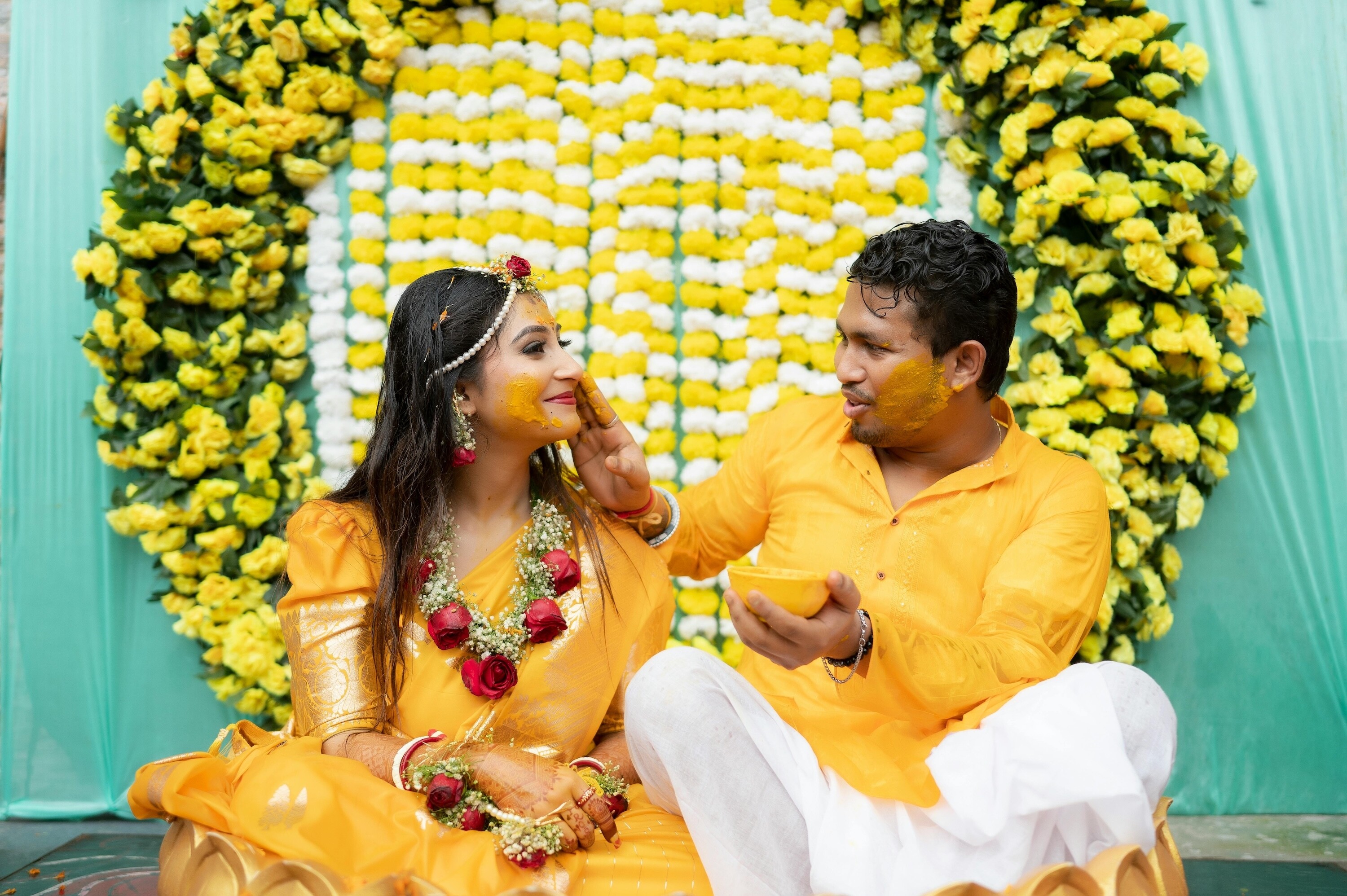
Overall, South Asian weddings in 2026/27 are being shaped by couples who confidently blend heritage with modern lifestyles to create celebrations that feel personal, meaningful and experience-led.
Rather than chasing scale, couples are prioritising intention - being more thoughtful about who they work with, how their wedding is structured, and the relationships they build with their suppliers. Planning is increasingly collaborative, with couples working closely alongside both their families, while leading key creative and logistical decisions more than their parents.
With costs continuing to rise across the industry, clarity around priorities, non-negotiables and budget allocation has never been more important. But equally, couples are moving away from comparison culture and focusing instead on designing a wedding that reflects their story.
The most memorable South Asian weddings aren't defined by trends alone, they're being defined by how they make the couple and their wedding guests feel.