

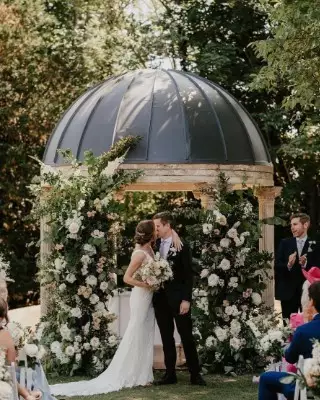
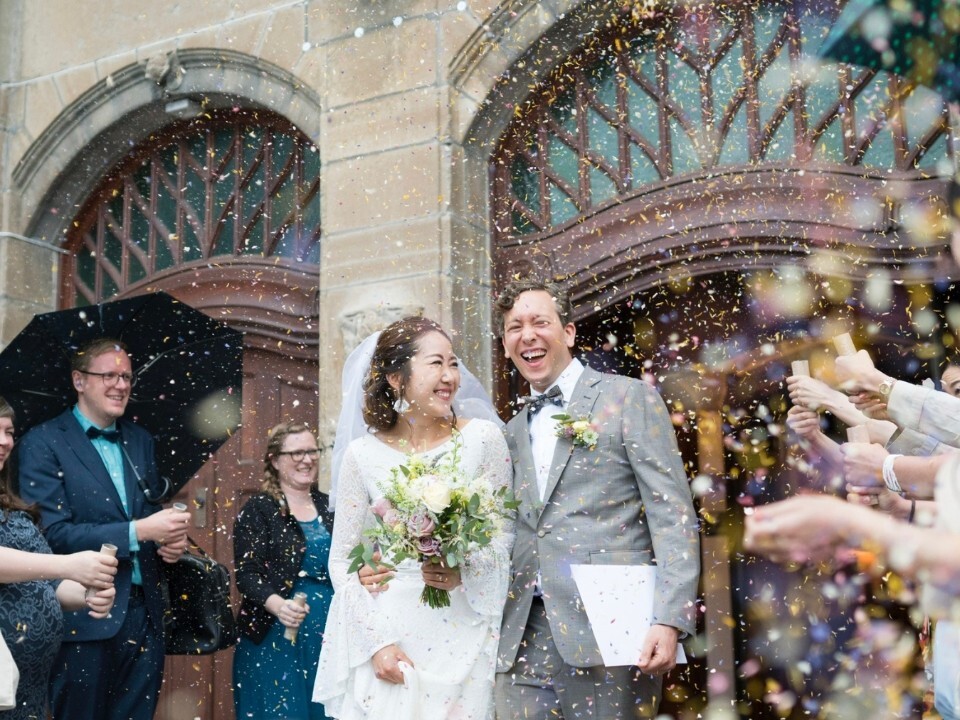

Throwing the wedding confetti is one of those moments everyone remembers. It looks great in photos, gets guests involved straight away and adds real energy to the day, whether you choose to have it straight after the ceremony or later on. It's a simple detail, but one that often marks the first relaxed, celebratory moment of the wedding.
Confetti for a wedding isn't only about how it looks. Venue rules, environmental considerations and a little planning can all influence what works best. This guide explains everything couples need to know about wedding confetti, so you can plan a confetti moment that works for your venue, your photos and your day.
What Is Wedding Confetti?
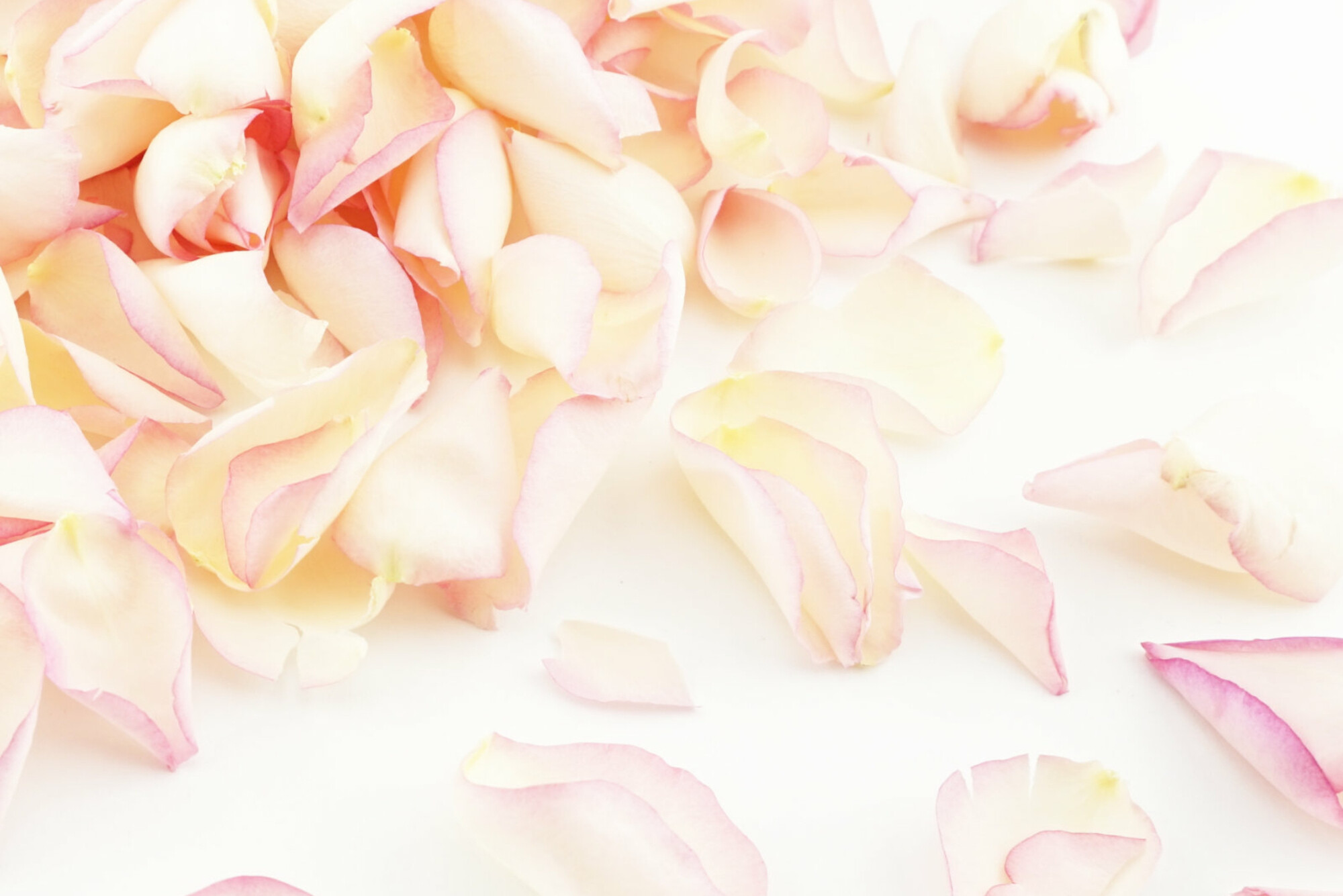
Wedding confetti is traditionally thrown to celebrate good luck, happiness and a new beginning for the newly married couple. While rice was once commonly used, most modern weddings now use petals or biodegradable alternatives instead.
Today, wedding confetti is most often thrown as the couple leave their ceremony, but many couples choose to plan their confetti moment in a way that suits their day - whether that's straight after the ceremony or later on.
Is Confetti Allowed at Wedding Venues in the UK?
Most UK wedding venues do allow confetti, but policies vary widely. Many venues now require biodegradable wedding confetti to protect their grounds and meet environmental standards.
Some venues have designated confetti areas, while others limit confetti to outdoor spaces only. A smaller number may prohibit confetti entirely due to cleaning concerns or shared public areas. It's always essential to check directly with your venue in advance.
Natural, dried petal confetti is widely accepted because it is completely biodegradable and leaves no harmful residue behind.
Types of Wedding Confetti
There are several types of wedding confetti, and venue rules often influence which options couples can choose.
Petal Confetti
Natural dried flower petals are one of the most popular options for weddings. They are biodegradable, easy to clear and widely approved by venues. Petal confetti also photographs beautifully, which is why many couples choose it.
Paper Confetti
Paper and tissue paper confetti are now often restricted. Even when marketed as biodegradable, some paper confetti contains dyes or coatings that don't break down easily.
Metallic or Plastic Confetti
Metallic and plastic-based confetti is commonly banned at wedding venues due to environmental impact and clean-up difficulties.
Understanding the differences between confetti types helps couples choose an option that fits within venue rules.
Is Biodegradable Confetti Really Biodegradable?
Genuinely biodegradable confetti, such as natural dried flower petals, absolutely is. Petals break down naturally without leaving residue behind.
However, couples should be cautious with products labelled “biodegradable”. Some paper confetti contains dyes or coatings that slow decomposition. Checking what the confetti is actually made from is often more reliable than relying on the label alone.
What Is the Best Confetti for Wedding Photos?
To achieve the classic “flutter-fall” effect in wedding photos, lightweight petals work best. They stay in the air longer and create movement rather than dropping straight to the ground.
Freeze-dried rose petals, hydrangea petals and larkspur petals are all popular choices. Colour also plays a part – petals that complement your wedding palette while still contrasting against outfits tend to stand out best in photos.
How Much Confetti Do You Need for a Wedding?
The amount of wedding confetti you need depends on the type of petal and how it's presented. As a general guide:
- Smaller-sized petals (eg. larkspur): around 10 standard-sized cone fulls, or 10 handfuls per litre
- Larger-sized petals (eg. freeze-dried rose and hydrangea): around 10 standard-sized cone fulls, or 6-8 handfuls per litre
Before ordering, it’s worth speaking to your venue and photographer about how they usually organise the confetti moment, as this will influence the number of guests you need to cater for.
When Is the Best Time to Throw Confetti at a Wedding?

The classic confetti moment is immediately after the ceremony as the newlyweds exit together. It creates a joyful, celebratory atmosphere and makes for great photos.
Some couples also plan a confetti throw after their ceremony drinks or before their reception entrance. Natural lighting makes a big difference, so outdoor daytime confetti throws tend to photograph most beautifully.
Do Churches and Registry Offices Allow Confetti?
Policies vary significantly between individual churches and registry offices. Many churches welcome biodegradable petal confetti in designated outdoor areas but prohibit it inside the building. Registry offices often have stricter no-confetti policies due to cleaning concerns, though some allow biodegradable options outside.
Always check directly with your specific church or registry office. In practice, natural dried petals are far more likely to be approved than any alternatives because they are genuinely eco-friendly and easy to clear.
Planning Your Wedding Confetti
With a little thought and planning, wedding confetti can be a simple way to add energy, personality and a shared moment to the day. By understanding your options and what works for your venue, you can plan a confetti moment that feels natural, well-timed and entirely your own.
If you're still deciding on wedding confetti, you can explore a range of confetti suppliers on Guides for Brides, including specialists offering biodegradable and petal confetti options.
With thanks to The Dried Petal Company, confetti specialists, for their input on this feature.


In past 12 months