


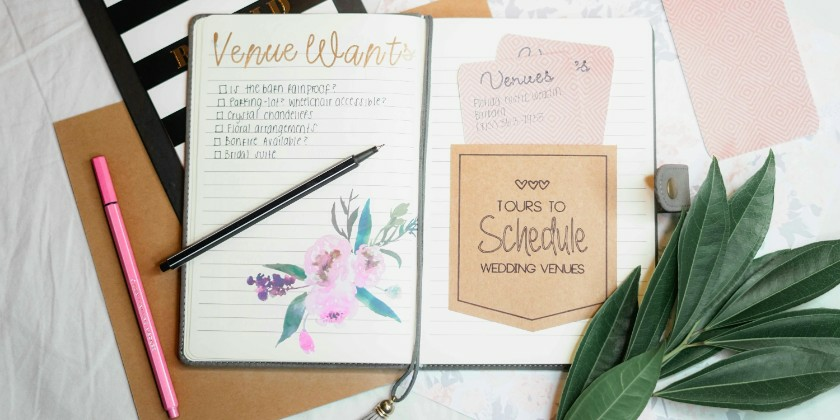


Planning a wedding is incredibly exciting, but it can also feel overwhelming at times. Alongside the fun parts, like choosing your venue and imagining the day itself, there's often a long list of practical tasks to manage, from ticking off your wedding planning checklist to keeping track of budgets, guest lists and timelines.
Add in family expectations, constant decision-making and the pressure of social media, and it's no wonder the majority of couples say they feel stressed while planning their wedding.
If you're feeling anxious, burnt out or emotionally drained while planning your wedding, you are not alone. Looking after your mental health during wedding planning is just as important as choosing your venue, suppliers or décor.
Is it normal to feel stressed while planning a wedding?
Yes, absolutely. Wedding planning often involves emotional, financial and social pressures all happening at the same time. In fact, a 2024 survey found that 84% of brides reported feeling stressed in the lead-up to their wedding day.
However, while planning a wedding naturally comes with some stress and pressure, it should never come at the expense of your wellbeing or stop you enjoying the experience altogether.
The good news is there are simple, practical ways to reduce stress, protect your wellbeing and actually enjoy your engagement.
Practical ways to protect your mental health while wedding planning
1. Talk about how you're feeling

Many couples worry about burdening others or feel guilty for being stressed during what is supposed to be a happy time. But keeping anxiety to yourself can often make it feel worse.
Talking openly with your partner, close friends or family members can help relieve pressure and give you perspective. You may even find that other couples have experienced similar worries while planning.
If wedding planning stress is starting to affect your relationship, communication becomes even more important. Setting aside regular time to check in with each other can help you stay connected and work through challenges as a team.
Remember: it's completely normal to feel overwhelmed while planning a wedding.
2. Take breaks from wedding planning

When your evenings are filled with comparing venues, replying to suppliers and updating spreadsheets, wedding planning can quickly start to take over your life.
One of the best ways to reduce wedding planning stress is to create boundaries around it.
Try:
- having one or two “no wedding talk” evenings each week
- taking a weekend off from planning
- setting time limits for wedding admin
- avoiding late-night decision making
Giving your mind space to switch off can help prevent burnout and decision fatigue. Often, you'll come back to planning feeling calmer, clearer and more positive.
3. Avoid comparing your wedding to other people's

Social media can be incredibly inspiring when planning a wedding, but it can also create unrealistic expectations.
Constantly seeing luxury venues, designer dresses and perfectly styled weddings can make couples feel like their own wedding isn't 'good enough'. Comparison can quickly turn excitement into anxiety.
The reality is that every wedding is different. Budgets, priorities and personal styles vary from couple to couple, and most social media content only shows the highlights.
Instead of focusing on trends or what other people are doing, try asking yourselves:
- What actually matters most to us?
- What kind of day will make us happy?
- What memories do we want to create?
Nikita Thorne, Head of Strategy at Guides for Brides, regularly speaks with engaged couples across the UK and believes one of the biggest causes of wedding planning stress is the pressure to create a “perfect” day. She says:

4. Spend time outside and move your body

Wedding planning often involves long hours sitting at laptops, scrolling on phones and managing endless to-do lists. Getting outside and moving your body can make a huge difference to your mood and stress levels.
Whether it's:
- going for a walk
- heading to the gym
- doing yoga
- running
- gardening
- taking your dog out for a walk
physical activity can help reduce anxiety, improve sleep and clear your mind. Fresh air and time away from screens can also help you reset emotionally when wedding planning starts to feel overwhelming.
5. Don't let online advice overwhelm you

Wedding forums, Facebook groups and TikTok advice videos can sometimes be helpful, but too much information can quickly become overwhelming.
The reality is, there is no single “perfect” way to plan a wedding. Online advice, trends and checklists should be seen as helpful guides and inspiration, not strict rules you need to follow.
If online advice is making you feel anxious:
- step away from forums for a while
- unfollow accounts that make you feel pressured
- focus on trusted wedding planning resources
- remember that not every opinion applies to your wedding.
6. Prioritise time together

When wedding planning becomes stressful, it's easy for conversations with your partner to revolve entirely around budgets, guest lists and logistics. But your relationship should still come first. Taking a step back from planning can help you reconnect and remember why you are getting married in the first place.
Make time for regular date nights, even if they are simple and low-cost. Cook your favourite meal together, watch a film, go for a walk or spend time doing something unrelated to the wedding.
At the end of the day, your wedding is just one day, but your relationship is the part that lasts. Protecting that and supporting each other through the process is what truly matters.
7. Break wedding planning into smaller tasks

One reason wedding planning can feel overwhelming is because there are so many decisions to make, and it's easy to feel like you need to tackle all of them at once. Instead of looking at everything left to do, break it down into chunks and focus on one small task at a time.
Using a wedding planning checklist or timeline can help you stay organised and reduce stress. It's also worth setting aside dedicated wedding planning time each week, even if it's just a couple of hours. Knowing you have time blocked out to focus on it can help everything feel far more manageable and in control.
It's also important to celebrate progress along the way. Every booking, decision or crossed-off task is one step closer to your wedding day. Celebrate it with your partner!
8. Make time for things that help you recharge
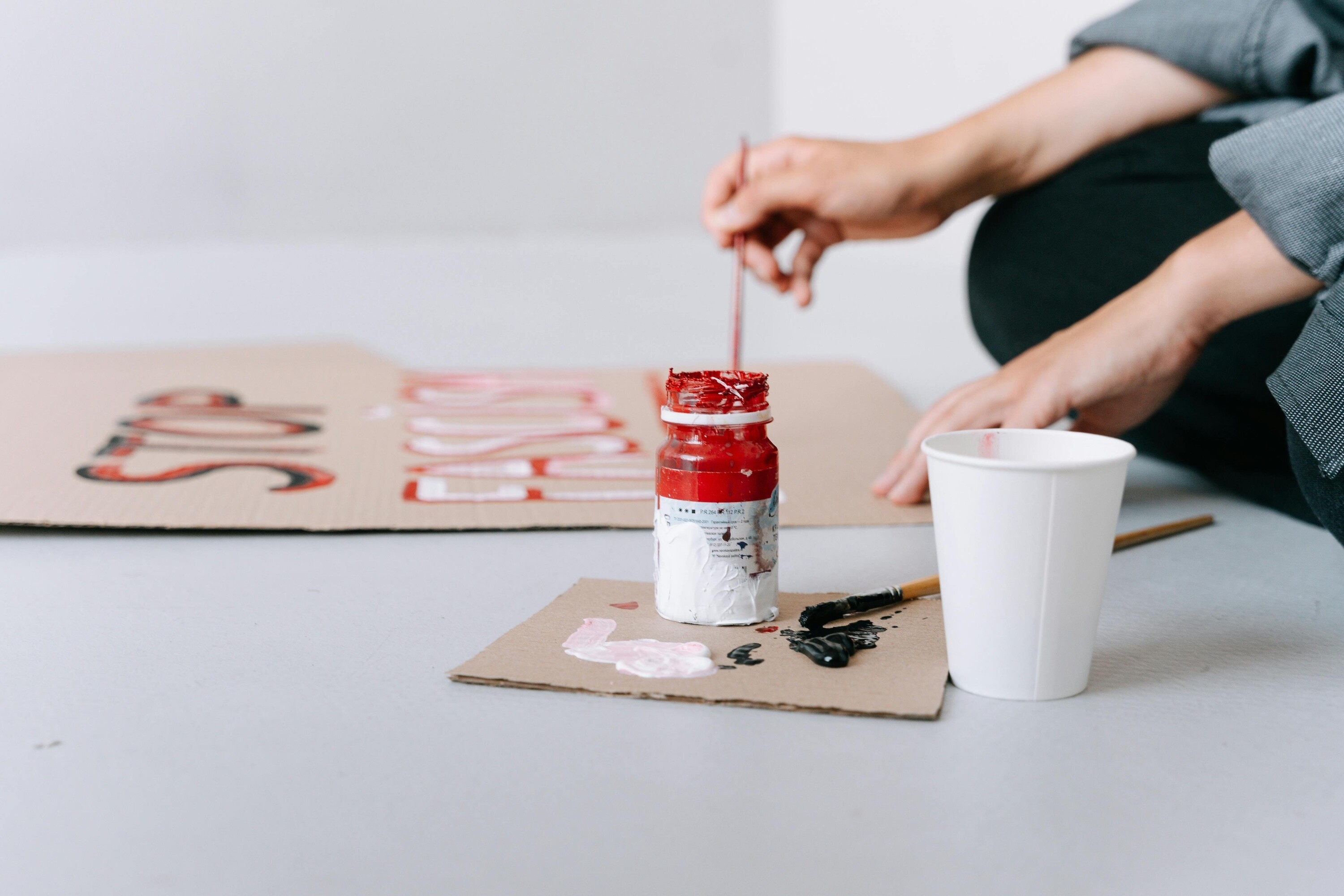
When wedding planning gets busy, self-care is often the first thing people stop prioritising. But protecting your mental wellbeing is essential.
Try to continue making time for hobbies and routines that help you feel like yourself, whether that's:
- reading
- painting
- gaming
- meditation
- seeing friends
- baking
- exercising
- journalling
Sometimes, taking care of yourself is the most productive thing you can do. You do not need to spend every spare moment planning your wedding to have an amazing day.
Wedding planning should feel exciting far more often than it feels stressful. While some pressure along the way is completely normal, giving yourself permission to slow down, ask for support and focus on what truly matters can make the experience far more enjoyable.
When to seek extra support
If wedding planning stress starts affecting your sleep, relationships, work or daily life, it may help to seek additional support. Speaking to a trusted friend, your GP or organisations such as Mind can make a real difference.
If you're looking for more support with organising your big day, take a look at our Ultimate Wedding Planning Guide for expert advice, practical checklists and everything you need to plan your wedding with confidence.
If you'd like further, practical tips for looking after your mental wellbeing while wedding planning, Mind has a great guide.
FAQs about Wedding Planning Stress & Mental Health