

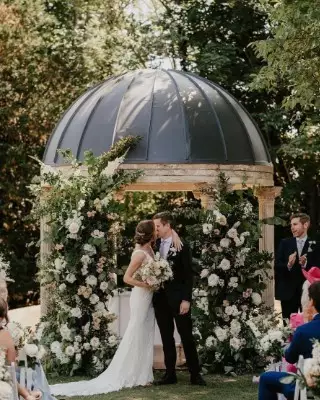
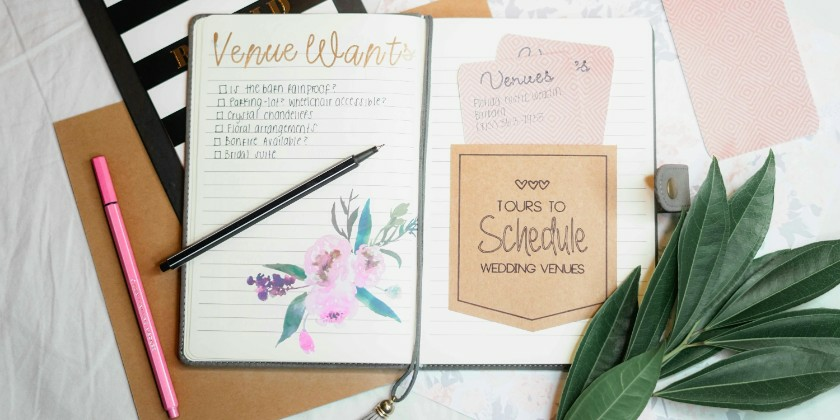

Planning a wedding has always been a beautiful, slightly overwhelming endeavour. Between budgets, guest lists, vendors, and a thousand tiny decisions, even the most organised couples can feel buried. Now a new kind of helper has joined the process: artificial intelligence. From first inspiration to the final thank-you cards, AI is quietly reshaping how couples bring their dream day to life, taking some of the stress out of planning while leaving the romance firmly intact. Here are five of the most exciting ways it's making a difference.
1. Turning Vague Ideas Into Clear Visions
Every couple starts with a feeling rather than a plan. "Something romantic but relaxed." "Elegant, but not stuffy." The hardest part of early planning is translating those fuzzy notions into a concrete direction everyone can rally around.
AI-powered planning tools are brilliant at this. By answering a few questions about your style, budget, and priorities, couples can now receive tailored suggestions for themes, colour palettes, and overall direction in minutes. Instead of staring at a blank Pinterest board, you get a thoughtful starting point that reflects your tastes, which you can then refine together. It's like having a wedding planner available at midnight when inspiration (or anxiety) strikes.
2. Visualising Your Aesthetic Before You Spend a Penny
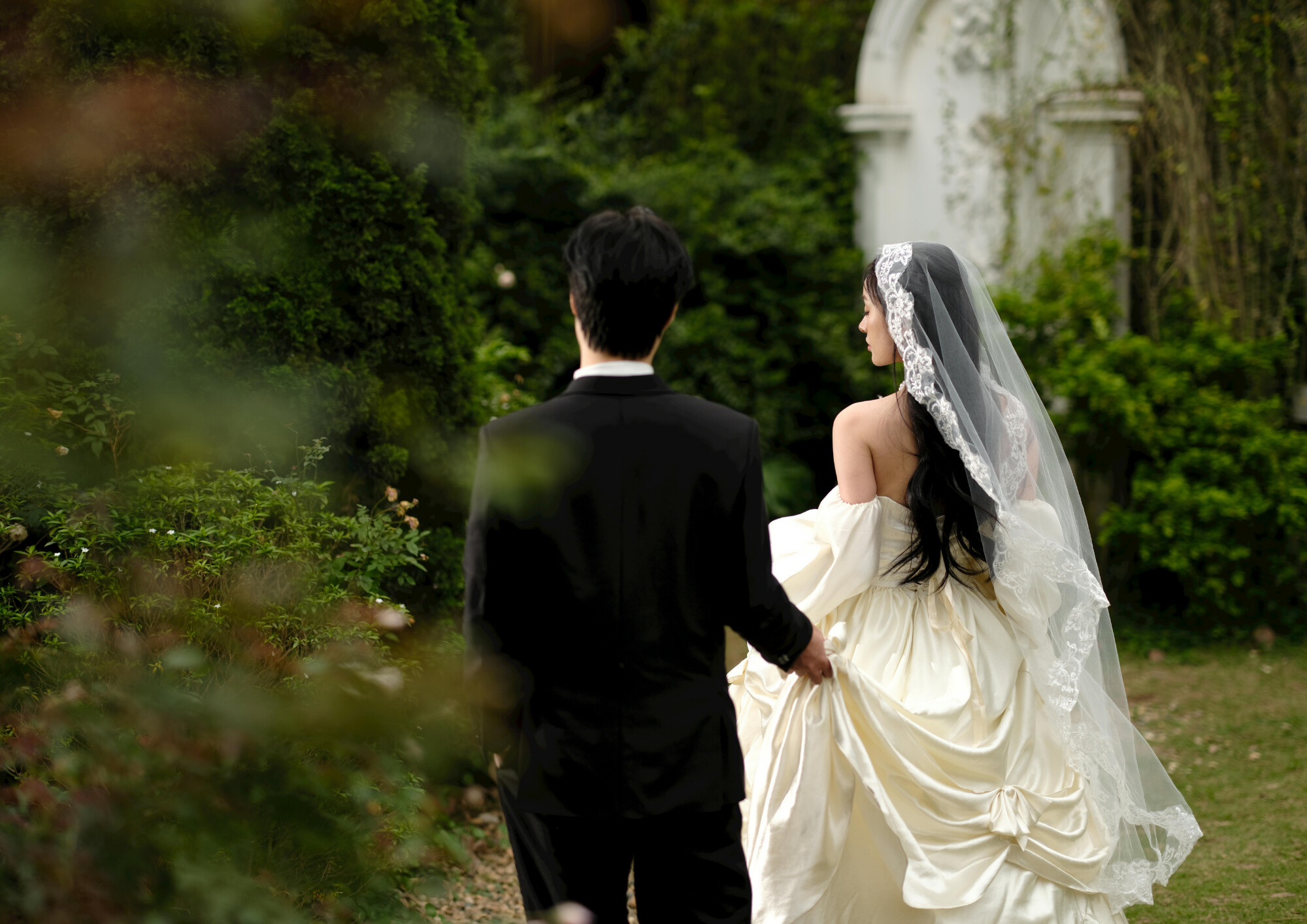
One of the most stressful parts of planning is committing to choices you can only imagine. Will those burgundy florals really work with sage table linens? How would the ceremony look with draped fabric and fairy lights versus clean, modern minimalism? Getting these decisions wrong can be expensive.
This is where AI image generation has become a genuine game-changer for couples. Tools that let you create AI images for free such as Adobe Firefly, let you describe a setting in plain words and see it rendered almost instantly. You can picture a tablescape, a colour story, or a venue mood before booking anything or briefing a single supplier. It transforms abstract debates into something you can actually look at together and say, "Yes, that's the one."
It's worth treating these images as inspiration rather than exact blueprints, but as a way to align two people's imaginations, they're remarkably effective.
3. Smarter Budgeting and Guest Logistics
Few things test a couple's patience like spreadsheets. Budgets spiral, guest lists shift, and seating plans can feel like solving a puzzle where the pieces keep moving. AI tools are increasingly stepping in to handle this administrative heavy lifting.
Modern planning platforms can track spending in real time, flag where you're overshooting, and suggest where to trim without sacrificing the things you care about most. Some can even help untangle the notorious seating-plan headache, factoring in family dynamics and friendship groups to propose arrangements that keep the peace. Couples consistently cite budgeting and guest management as among the most stressful aspects of wedding planning, so handing these tasks to smart tools frees up precious energy for the joyful parts.
4. Refining Your Vendor Shortlist
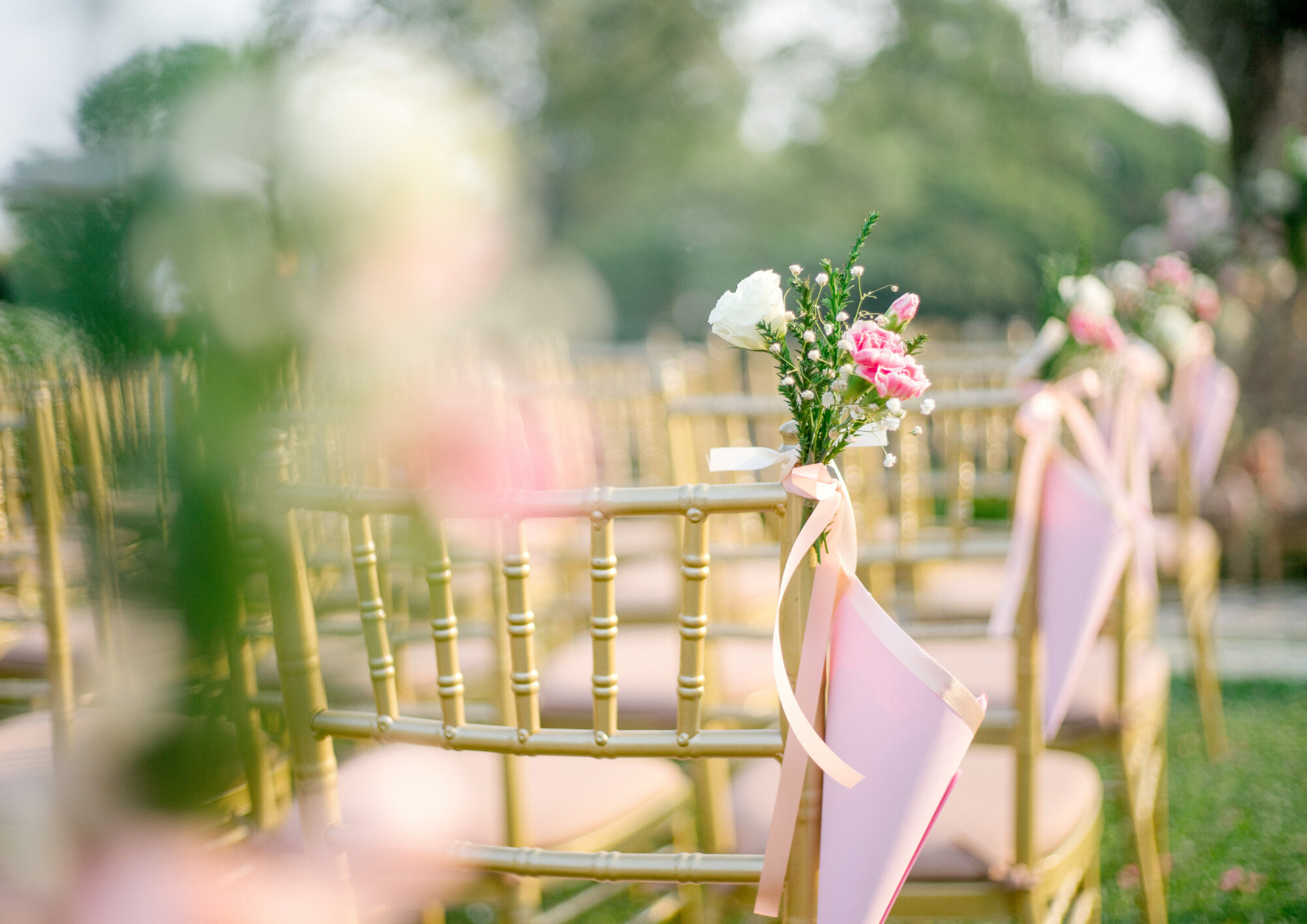
Finding the right suppliers is one of the most important, and personal, parts of the journey, the photographer whose style you adore, the caterer who nails your vision, the band that reads the room perfectly. That search still starts where it always has: browsing a trusted wedding directory reading real reviews, and comparing portfolios until a handful of names stand out.
Where AI earns its place is in what comes next. Once you've done the research and gathered a shortlist, these tools can help you make sense of it, organising your notes, weighing each option against your budget and priorities, keeping track of who has quoted what, and even drafting your first enquiry messages so you can reach out with confidence. It won't replace the directory legwork, the all-important face-to-face meeting, or the gut feeling you get when you click with someone. What it does is take the clutter out of comparing your options, so your energy goes to the suppliers who genuinely fit, and to the decision itself, which stays firmly in your hands.
5. Effortless Personal Touches and Communication
The little details are what make a wedding feel like yours, but they're also where couples run out of steam. Writing vows, drafting speeches, wording invitations, keeping guests informed, it adds up. AI is becoming a gentle assistant for all of it.
Couples are using AI to overcome the blank-page terror of vow-writing, generating heartfelt first drafts they then personalise with their own memories and voice. Others use it to polish wording on invitations, build wedding websites, or draft the endless logistical messages to guests. The technology handles the structure and the busywork; you supply the love and the meaning. The result is communication that feels both polished and personal, without the hours of staring at a screen.
Keeping the Heart in the Process
For all its usefulness, it's worth remembering what AI can and can't do. It can suggest, organise, visualise, and draft. It cannot feel the flutter of excitement when you find the perfect venue, or the tears when you read your partner's vows. The technology is a tool to clear away the friction, not a replacement for the very human magic at the centre of a wedding.
The happiest couples seem to be those who let AI handle the logistics and the guesswork while keeping the meaningful decisions firmly in their own hands. Used this way, these tools don't make a wedding feel impersonal or generic. Quite the opposite: by removing so much of the stress, they free couples to be more present, more creative, and more connected to what the day is really about.
So as you embark on planning your own celebration, don't be afraid to let technology lighten the load. Lean on it for the spreadsheets, the visualising, and the first drafts. Then step back, take your partner's hand, and pour your energy into the part no algorithm could ever plan: building a day that's unmistakably, joyfully yours.