

Planning a wedding with divorced or separated parents can bring up questions you may never have needed to think about before. Who sits where? Who walks you down the aisle? How do you include a step-parent? And what happens if two family members simply do not get along?
There is no single etiquette rule for handling divorced parents at a wedding. Every family relationship is different, so the best approach is usually to communicate early, decide what feels right for you as a couple and make practical plans before the wedding day.
We spoke to Alexandra Tarr, a Relationship Coach and MBACP Accredited Psychotherapist, about navigating divorced parents, step-parents and difficult family dynamics when planning a wedding. Alexandra joined Alison Hargreaves, founder of Guides for Brides and a wedding industry expert with decades of experience helping couples and wedding professionals, to explore the questions couples can face when bringing different family relationships together for their wedding.
Her biggest piece of advice is refreshingly simple: have the conversations early.
"We can't over-communicate. Have the conversations, have them early on. Don't avoid it."
This guide is here to help you put that into practice.
Is There Wedding Etiquette for Divorced Parents?
There is no single set of wedding etiquette rules that every divorced or separated family needs to follow.
Some divorced parents are comfortable spending the day together. Others may be civil but prefer some distance, while some relationships remain extremely difficult. Add step-parents, new partners and extended family into the mix and traditional wedding etiquette will not necessarily suit your family.
Alexandra recommends starting with what works for the people involved rather than what you think you should do.
Before making decisions, sit down with your partner and consider:
- What do the two of you actually want?
- Which situations could potentially cause tension?
- Which traditions matter to you?
- Where could you be flexible?
- Which conversations need to happen before plans are finalised?
You can then speak to the relevant family members individually. Giving people advance notice can make potentially sensitive decisions feel much less surprising or personal.
Listening to what each person would prefer does not mean they make the final decision. Ultimately, this is your wedding. But understanding what matters to them can help you make a more informed choice.
Watch: How to Navigate Family Dynamics at Your Wedding
How can we avoid conflict between divorced parents during the wedding planning?
If you already know that certain parts of the wedding could be difficult, avoiding the subject is unlikely to make them easier.
Rather than waiting until the seating plan is printed or the wedding is a week away, discuss potential problems while you still have plenty of options.
This might include conversations about:
- ceremony seating
- the top table
- new partners and step-parents
- wedding photographs
- speeches
- walking down the aisle
- pre-wedding events
- financial contributions
Alexandra suggests approaching these conversations collaboratively. Explain that you are trying to find an arrangement that works for everyone and, where appropriate, ask what would make the person feel comfortable.
Asking for their input can also show that you recognise the situation may be difficult for them too. You do not need to have all the answers before starting the conversation.
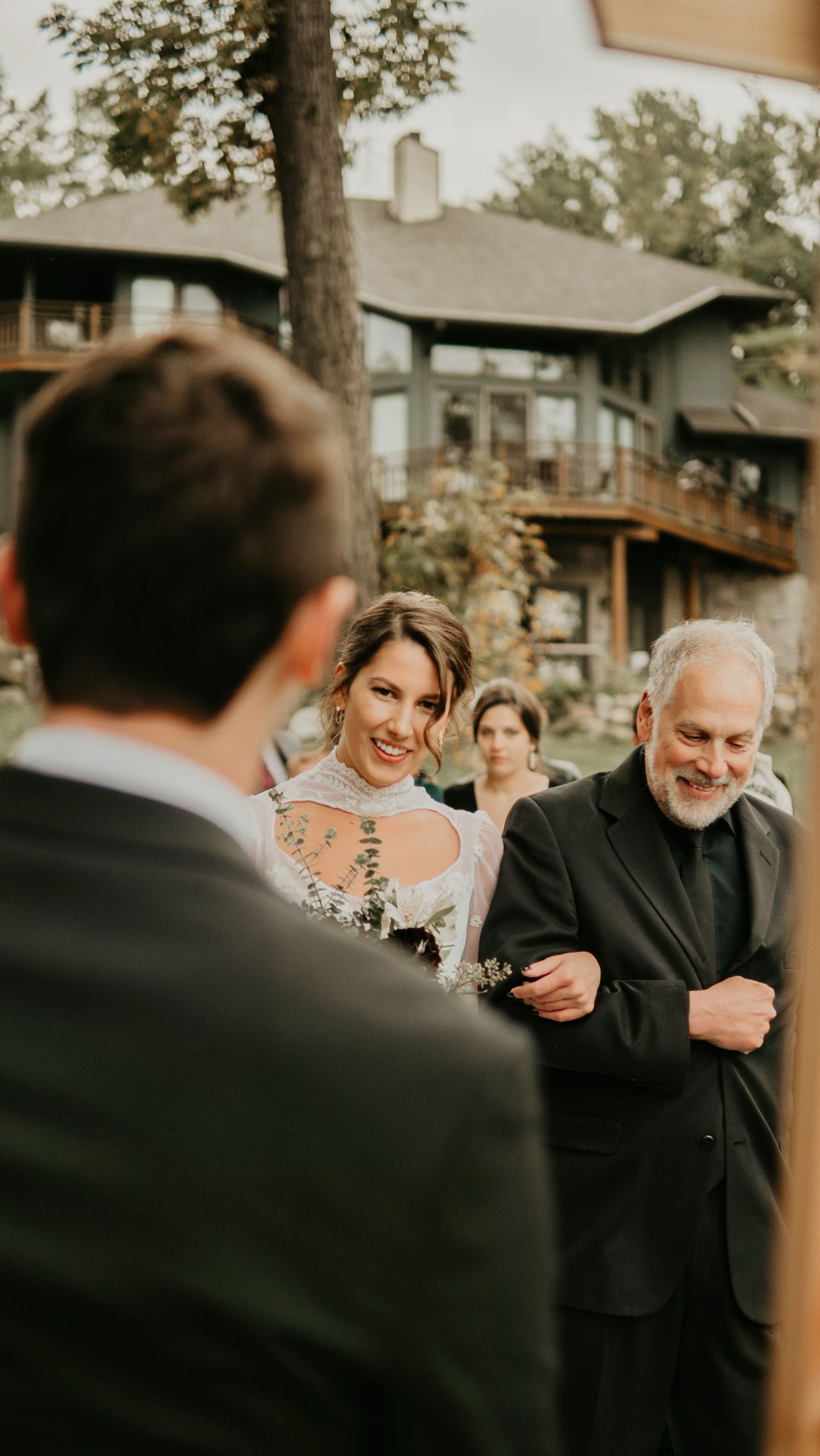
Dad or Step-Dad? Who Walks You Down the Aisle If Your Parents Are Divorced?
There is no rule that says your biological father must walk you down the aisle, and you do not necessarily have to choose between a father and stepfather.
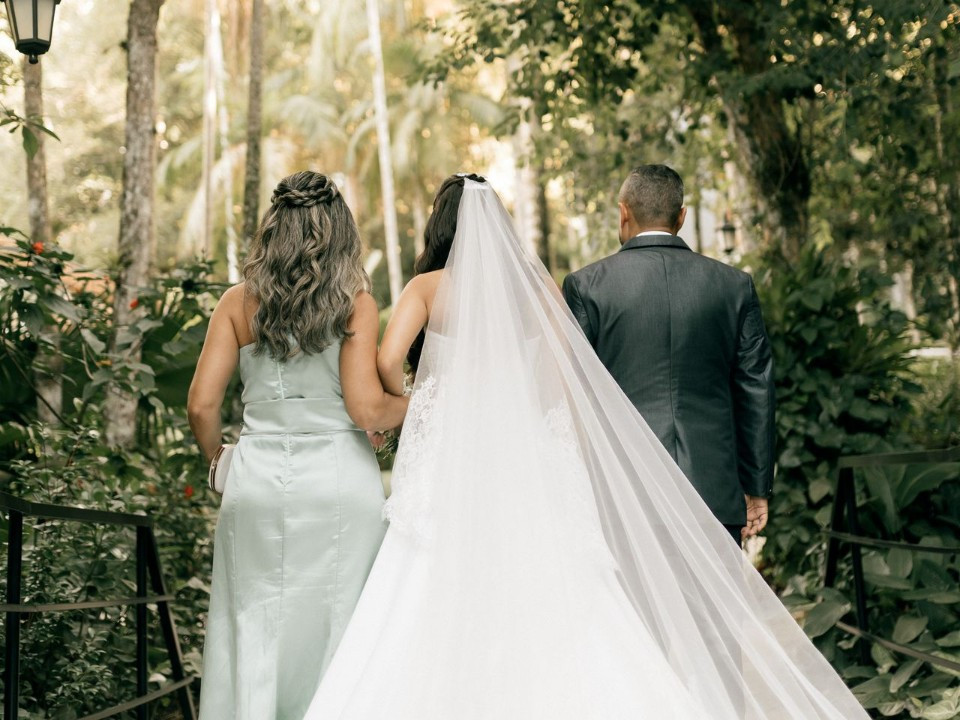
You could walk with your father, your stepfather, both of them, another important person in your life or nobody at all.
Alexandra has seen weddings where both a father and stepfather walked the bride down the aisle together. For other families, one person taking on the aisle role and another having a different meaningful responsibility works better.
If your stepfather has been part of your life since childhood, for example, but you want your biological father to walk you down the aisle, think about another part of the wedding that could recognise your relationship with your stepfather.
Try not to think of fairness as giving everyone exactly the same role. A father and stepfather can both be important to you without needing identical parts in your wedding. One might walk you down the aisle while the other gives a speech, joins you for another special moment or takes on a role that reflects your particular relationship.
The aim is not to make every role equal. It is to make sure the choices you make genuinely reflect the relationships you have with the people involved.
As Alexandra explains:
"Treat people how they might like to be treated. Really put yourself in the shoes of the stepdad, the dad, what might they like, and also what works for you because it's not just about what works for them."
Where Should Divorced Parents Sit at the Wedding Ceremony?
Divorced parents do not have to sit together at your wedding ceremony.
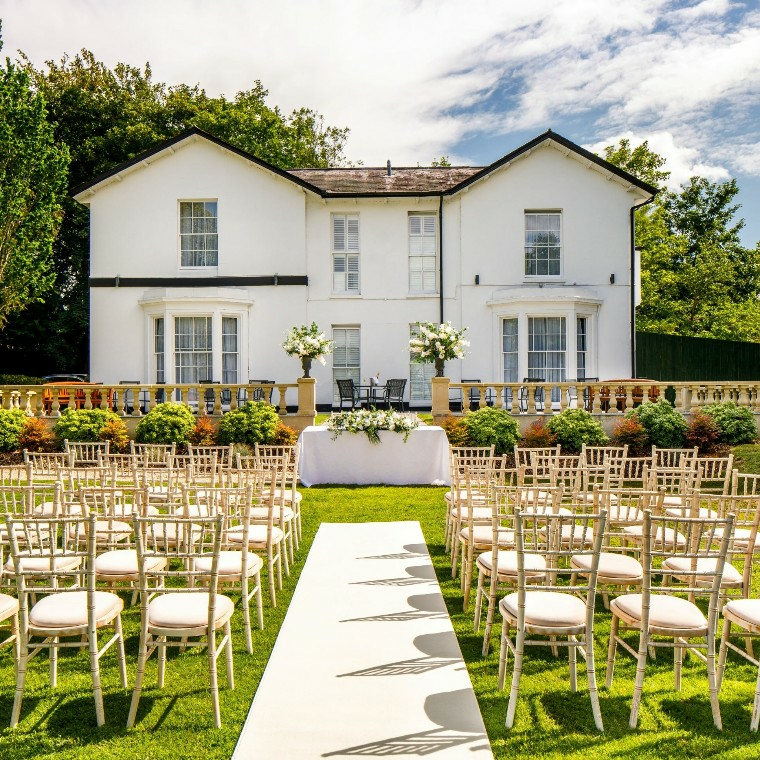
Traditional ceremony seating, with one family on each side, is already becoming less common. If following that tradition makes your particular family situation more complicated, you can arrange the seating differently.
Where there is potential tension, consider allocating specific seats in advance.
You could show your parents the ceremony layout and explain where they and their partners will be sitting before the wedding. That removes uncertainty when they arrive and means nobody has to make a potentially awkward seating decision in the moment.
If your parents are comfortable sitting near each other, there is no reason they cannot. If they would be happier apart, you can create some distance while still making sure both have important seats for the ceremony.
The important thing is that the arrangement reflects your actual family relationships rather than following a tradition that does not work for you.
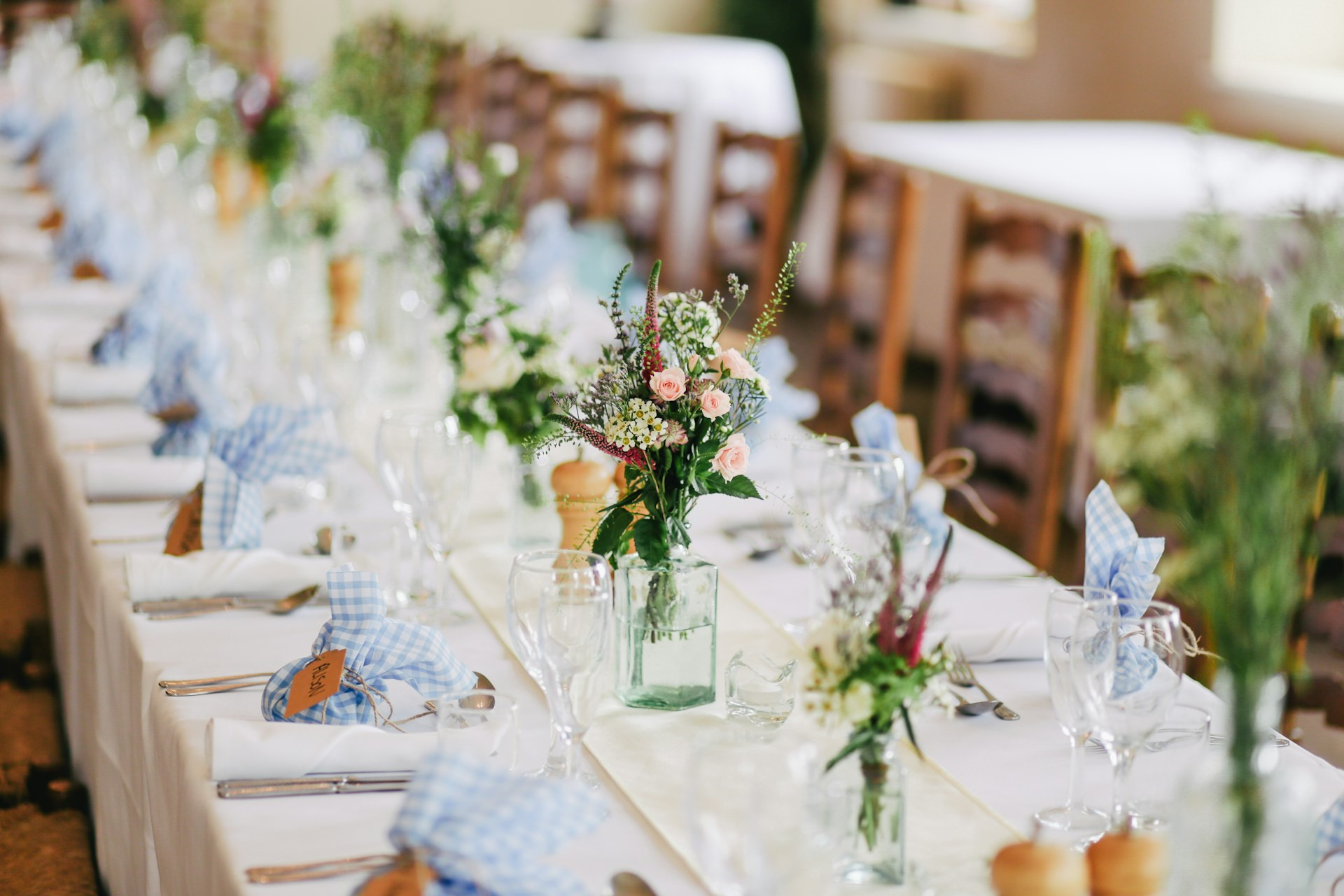
What Should You Do About the Top Table With Divorced Parents?
A traditional top table is only one option.
If seating divorced parents, step-parents and new partners together is likely to create tension, change the format rather than trying to squeeze your family into a traditional arrangement.
For example, you could have:
- a sweetheart table for just the two of you
- separate family tables
- a larger or differently shaped top table
- a table with your wedding party rather than your parents
- a less formal seating arrangement that suits your family
Your wedding venue can be particularly helpful here. They will know which table shapes and room layouts are possible and may have dealt with similar family situations many times before.
As Alison discussed with Alexandra, something as simple as using a larger oval table can alter sight lines and create more comfortable spacing between people while still allowing important family members to sit at the top table.
Once you have chosen the arrangement, explain it confidently and positively. You do not need to present it as an apology.
How Do You Handle Wedding Speeches With Divorced Parents and Step-Parents?
Wedding speeches do not have to follow the traditional father of the bride, groom and best man format. Start by asking yourselves who you genuinely want to hear from.
If both a father and stepfather would like to speak, you could include both. Alternatively, one could have a different role elsewhere in the wedding.
Alexandra also suggests thinking beyond the traditional wedding breakfast. Speeches or toasts can happen at different points across your celebrations, particularly if you are having a wedding weekend.
For example, somebody could say a few words at a welcome dinner, wedding breakfast or gathering the following day.
Changing the timing can give important people a meaningful moment without turning the main speeches into a negotiation over who gets to speak.
Should Step-Parents Be Included in Wedding Photos?
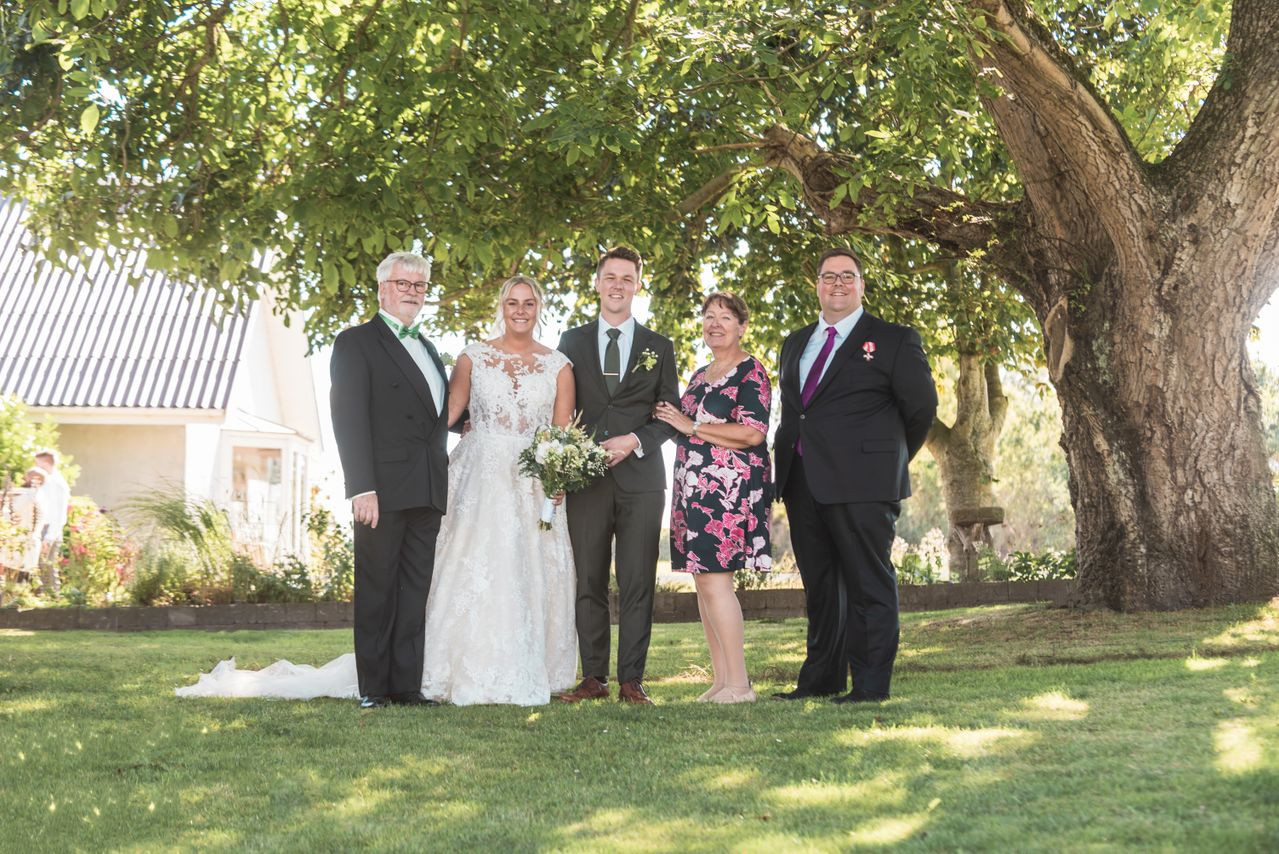
If a step-parent is an important part of your life, including them in some of your wedding photographs can be a simple way to acknowledge that relationship.
You do not need every photograph to include every combination of relatives. Modern wedding photography means you can have plenty of different family groupings.
As Alexandra puts it:
"If it would mean the world to that step-parent to have that picture, take that picture."
Taking a photograph with a step-parent does not mean that particular image has to be the one you frame afterwards.
Speak to your photographer before the wedding and give them a list of any important family combinations you want captured. It is also worth making them aware of sensitive relationships so they are not unknowingly putting people into uncomfortable situations.
Your photographer will almost certainly have photographed weddings involving divorced parents, step-parents and blended families before, so use their experience.
Which Wedding Suppliers Should Know About Difficult Family Dynamics?
You do not need to tell every supplier your family's history, but the people responsible for key parts of the day should know anything that affects their job.
Your wedding venue or coordinator may need to know about seating arrangements or relatives who should be kept apart.
Your photographer should understand any sensitive family combinations before organising group photographs.
If you have a wedding planner, they can help coordinate these arrangements and deal with issues without involving you.
Other suppliers may need to know depending on the situation. A useful question to ask is simply: does this person need this information to make the day run more smoothly?
Alexandra also recommends looking beyond your suppliers and considering your wider support network.
What if there's tension between family members at your wedding?
If you are worried about arguments between divorced parents or other relatives, choose a trusted person who can step in if necessary.
That might be a sibling, member of the wedding party, close relative or wedding planner.
Ideally, choose somebody who understands the situation and is trusted and respected by the people involved. If your older brother, for example, has a good relationship with both parents and is someone they are likely to listen to, he may be much better placed to calm a difficult situation than somebody who does not know them well.
Talk to this person beforehand. They do not need to spend the wedding watching your family, but they should know what you are concerned about and what you would like them to do if a problem develops.
The key is to avoid you or your partner being pulled into family disagreements on your wedding day. You should be able to enjoy the celebration without monitoring where everybody is or worrying about what might happen next.
What If a Parent Refuses to Attend If Their Ex Is Invited?
This is one of the hardest situations a couple can face.
If a parent tells you they will only attend if their former partner is not there, try to understand what is behind the ultimatum before making any decisions.
There may be a specific concern, unresolved conflict or another reason they feel unable to attend together. Understanding what is really causing the problem may help you work out whether there is a practical solution.
However, Alexandra stresses an important distinction: you can make thoughtful arrangements, but you cannot control another person's decision.
If both parents are important to you and you want both at the wedding, communicate that clearly.
In particularly difficult circumstances, some couples may decide to celebrate separately with a family member at another event, dinner or gathering. But you should not feel that you automatically have to organise your wedding around an ultimatum.
Your responsibility is to decide what feels right for you as a couple and communicate it respectfully. The decision another adult makes in response ultimately belongs to them.
How Should You Handle Pre-Wedding Events With Divorced Parents?
Venue visits, dress shopping, menu tastings and other parts of wedding planning can become surprisingly complicated when several parents or step-parents want to be involved.
You do not have to do everything twice. Instead, think about which moments genuinely matter to each person and to you.
Perhaps you would particularly like your mum at your dress fitting, while there is another part of the planning process that would be meaningful to your dad or stepdad.
Giving different family members their own moments can often feel more personal than trying to include everyone in everything.
Most importantly, ask yourselves whether you want other people there. Wedding planning experiences are not obligations, and you do not need to invite relatives simply because tradition suggests they should be involved.
How Should Divorced Parents Contribute to the Wedding?
There is no longer one standard rule for who pays for a wedding. Couples may pay themselves, receive help from one or both families, or combine contributions from several people.
With divorced parents or step-parents, it is particularly important to discuss what a financial contribution means before accepting it.
Alexandra recommends establishing whether the money is genuinely a gift or whether expectations are attached to it. As she explains:
"If dad pays for something and says, 'I'm paying for the wedding, but I don't want your mum to come,' then that's when we're in a tricky point."
If somebody offers to pay but expects that contribution to give them control over the guest list, another parent's attendance or major wedding decisions, you need to know that before accepting the money.
Where family members genuinely want to contribute, you could also connect their contribution to something meaningful.
If a stepfather took you to your first concert and music has always been part of your relationship, for example, contributing towards your wedding band could feel much more personal than simply transferring money towards the overall wedding bill.
The amount spent does not need to determine somebody's importance within the wedding.
What is the biggest mistake couples make when planning a wedding with divorced parents?
One of Alexandra's most useful points is that managing family dynamics around your wedding is not only about getting through one day.
Marriage changes your family dynamic too.
Your partner becomes the person you are making these decisions with, and the way you communicate boundaries and respond to competing family expectations now can help establish how you approach similar situations together in the future.
"This is how we as a couple want to move forward. We're communicating upfront, we're showing you how important you are, and we're setting the stage for our marriage."
This is bigger than solving a seating plan for one day. There will be future birthdays, anniversaries and other major family milestones where some of the same dynamics may come up again. Deciding how you communicate and make family decisions together now can help establish how you approach those situations as a couple in the future.
Wedding planning can make it tempting to keep everybody else happy, particularly when emotions are already heightened. But your wedding is also an opportunity to start making decisions as a team.
Our Advice for Navigating Family Dynamics at Your Wedding
If there is one thing to take away from all of this, it is to communicate early.
Have difficult conversations before they become urgent. Tell people what is happening rather than allowing them to discover it on the wedding day. Ask what would make them comfortable, but remember that you and your partner are allowed to make the final decision.
Where there is genuine conflict, use the people around you. Your wedding party, family, photographer, venue and planner can all help prevent you from becoming the person responsible for managing everybody else's emotions on the day.
There may not be a perfect arrangement that makes every member of a complicated family completely happy.
The goal is a thoughtful one: make decisions that reflect your relationships, communicate them clearly and create a wedding where you and your partner can actually enjoy being married.
About the Expert: Alexandra Tarr
Alexandra Tarr is a Relationship Coach and MBACP Accredited Psychotherapist who works with couples and individuals to build stronger, more intentional relationships. With over a decade of experience in the global wedding and events industry, Alexandra combines therapeutic insight with practical coaching, helping couples with communication, conflict, values and preparing for marriage.
FAQs About Family Dynamics at Weddings