

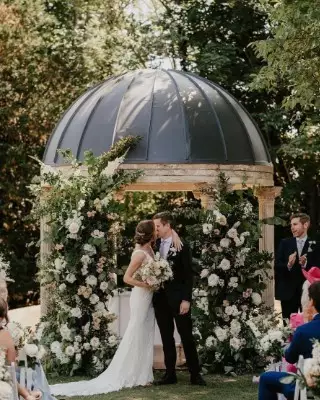
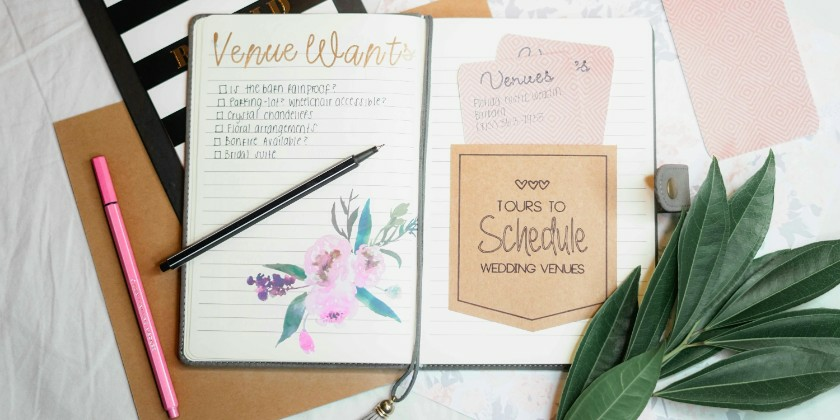
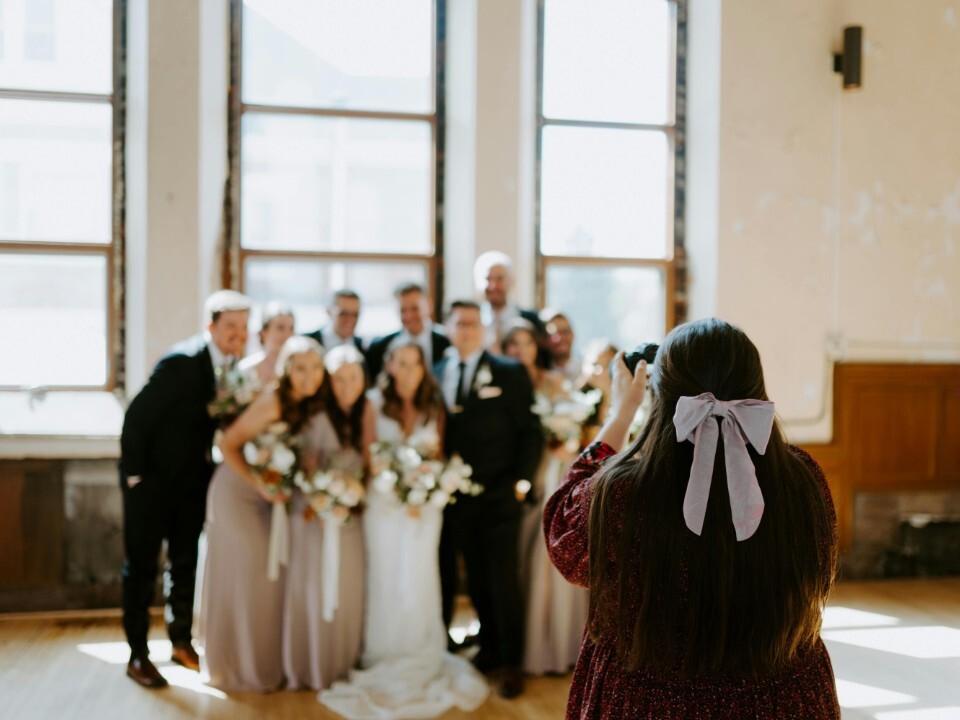

Choosing the right wedding photographer is one of the most important decisions you'll make during your wedding planning. Your photographs become the lasting record of your day - the emotion, the details, the people and the atmosphere you'll want to relive for years to come.
This guide brings together the core things couples usually want to understand: different photography styles, what to expect from a photographer, whether a second shooter is helpful, how contracts work, how to prepare for the day, and what happens after everything is delivered. The aim is to give you clear, trustworthy information in one place, so you can feel confident about the decisions ahead.
Jump to:
- How to Choose a Wedding Photographer
- When Should You Book Your Wedding Photographer?
- Wedding Photography Costs
- Wedding Photography Styles
- What Should You Ask a Wedding Photographer Before Booking?
- Wedding Photography Contracts
- Do You Need a Second Photographer?
- Should You Have a Videographer as Well?
- Why Choose a Professional Photographer?
- Can Friends or Family Take Your Photos?
- Should You Have an Engagement Photoshoot?
- What Is an Unplugged Ceremony?
- Can You Get Beautiful Photos If It Rains?
- Wedding Photo Ideas
- Your Photos After the Wedding
- Do Photography Associations Matter?
How to Choose a Wedding Photographer
Choosing a photographer can feel overwhelming, but it becomes much easier when you know where to start. Begin by browsing full wedding galleries rather than highlight reels. This shows you how a photographer captures the flow of an entire day - from morning preparations to the evening celebrations.
As you explore different photographers, you'll naturally begin to notice what you're drawn to. Think about things like:
- whether you prefer natural, unposed images or more editorial portraits
- the editing style - rich and vibrant, or soft and muted
- consistency across different lighting and settings
- whether their work feels relaxed, structured, playful or artistic
Recent reviews are also helpful for understanding communication, reliability and how comfortable couples felt in front of the camera. Budget will naturally narrow your shortlist, as packages vary depending on experience, coverage and any extras included.
Once you've found a few you like, arranging a phone or video call is an important first step. Your photographer will be with you for most of the day, so it's essential that you feel at ease with them.
When Should You Book Your Wedding Photographer?
Most couples book their photographer 12-18 months in advance, especially for peak-season Saturdays. If you're planning a summer wedding or want a photographer who specialises in a specific style (documentary or editorial, for example), securing your date early is recommended. For weekday or winter weddings, availability is usually more flexible.
Wedding Photography Costs
Most UK couples spend £1,000 - £3,500+ for full-day wedding photography, depending on the photographer's experience, the number of hours included and their location.
Smaller weddings, such as registry office or micro-weddings, may only need a few hours of coverage, so many photographers offer shorter packages at a lower price. Larger celebrations, editorial-style photography or destination weddings usually sit at the higher end, as they often require more time, travel and specialist experience.
For detailed guidance on average prices, packages and what affects the cost, see our full breakdown: Wedding Photography Prices: How Much Does a Wedding Photographer Cost?
Wedding Photography Styles

Choosing the right photography style can make a big difference to how your wedding feels on the day and how your photos look afterwards. These are the most common styles couples explore when deciding who to book.
Classic / Traditional
Posed portraits and group photos, usually looking at the camera. Ideal if you want timeless images for family albums and mantelpieces.
Natural / Documentary
Captures the day exactly as it unfolds with minimal posing. Perfect for couples who prefer a relaxed, unobtrusive style.
Editorial / Fine Art
Magazine-inspired images with creative direction, elegant posing and a strong focus on light and composition.
Modern / Creative
A blend of documentary coverage and artistic portraits, often using movement, reflections, bold framing or interesting light.
Black and White
A stylistic edit rather than a standalone style, often used to give emotional or dramatic impact.
Drone Photography
Aerial views of the venue and surroundings, usually offered as an add-on where permitted.
You can find out more about photography styles in our blog: Wedding Photography Styles Explained
What Should You Ask a Wedding Photographer Before Booking?
Before you book, it's helpful to ask a few key questions so you understand how your photographer works and what's included in their service. These will give you a good feel for their style, communication and approach on the day.
Here are a few useful starting points (you'll find the full checklist in our dedicated guide):
- How would you describe your style and approach?
- What's included in your package?
- How long will you stay on the day?
- When will we receive our images?
- Do you bring backup equipment?
- Do you offer, or work with, a second photographer?
For a complete list of smart, practical questions to ask before booking, read our full blog: Questions to Ask Your Wedding Photographer.
Wedding Photography Contracts
Professional photographers will provide a contract so both sides are clear on what's included. It usually outlines:
- what's included in your package
- hours of coverage
- payment terms
- delivery timelines
- cancellation and backup plans
A contract protects both you and your photographer and helps avoid confusion later. If you're ever unsure about any detail, ask your photographer to talk it through with you before booking.
Do You Need a Second Photographer for Your Wedding?
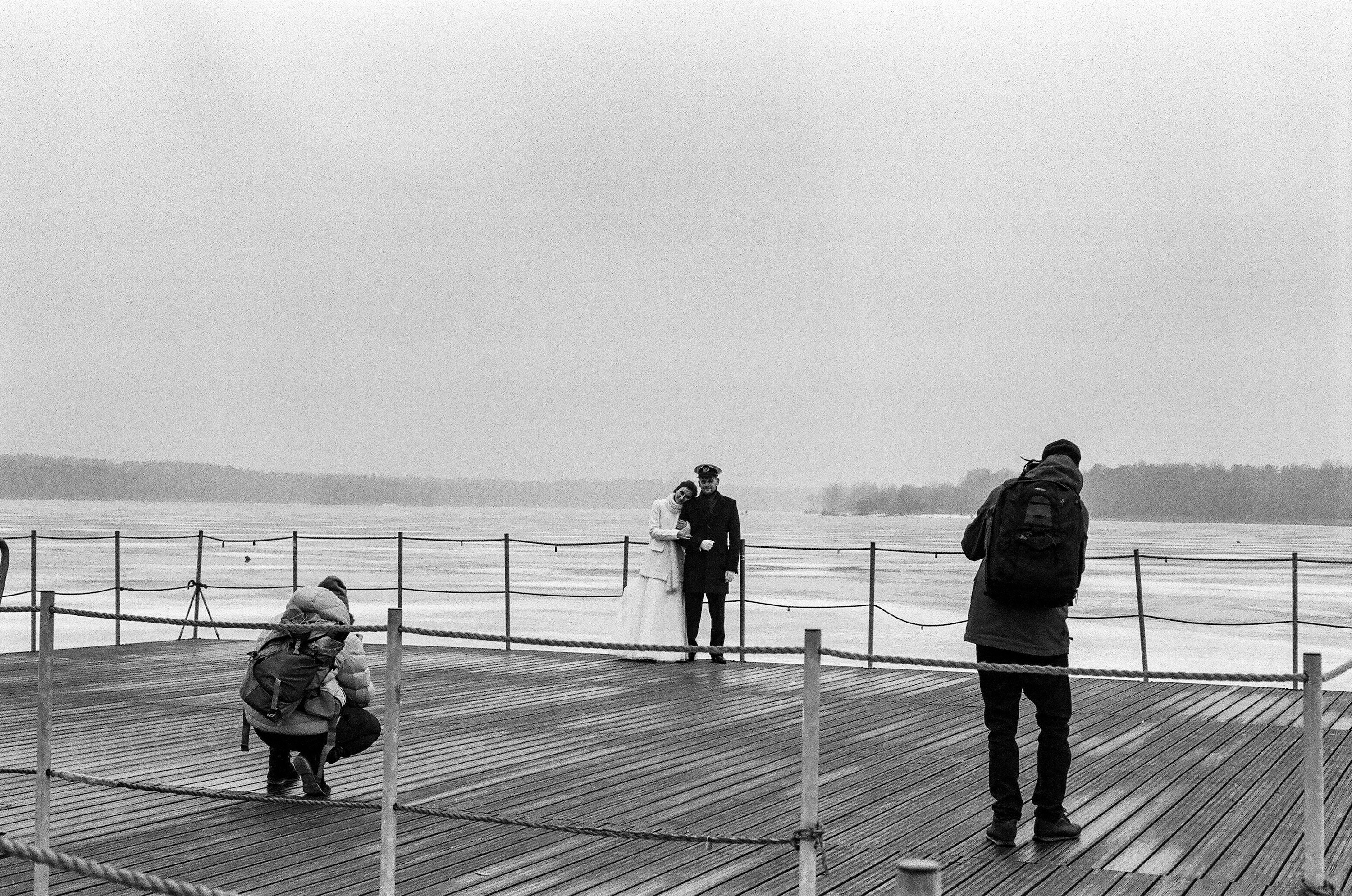
A second photographer isn't essential for every wedding, but it can add real value in certain situations.
It's particularly useful if you have a larger guest list, want both partners' morning preparations captured, or would love additional angles of key moments like walking down the aisle, the ceremony reactions and candid guest interactions.
It's a worthwhile upgrade if you want a more detailed, story-driven gallery, but many couples are perfectly happy with one photographer too.
Should You Have a Videographer as Well as a Photographer?
Photography and videography capture your day in different ways. Photographers document moments; videographers capture movement, atmosphere and sound.
If you're considering both, it's worth asking:
- whether your photographer offers combined packages
- whether they regularly work with a particular videographer
- how they coordinate timelines on the day
You can explore this topic in our Ultimate Guide to Wedding Videography.
Why Choose a Professional Wedding Photographer?
Choosing a professional wedding photographer gives you confidence from the moment you book. Experienced photographers know how to handle changing light, manage timings and guide groups smoothly, all while capturing the key moments of your day without becoming a distraction.
They also offer important reassurances: public liability insurance (often required by venues), a clear contract outlining what's included, reliable backup equipment, and a contingency plan if illness or emergencies arise. Alongside this, their proven experience, consistent galleries and genuine client reviews help you feel relaxed and supported throughout.
With a professional, you're investing in someone who can deliver beautiful, dependable results - and who can handle the unexpected so you don't have to.
Can Friends or Family Take Your Wedding Photos?
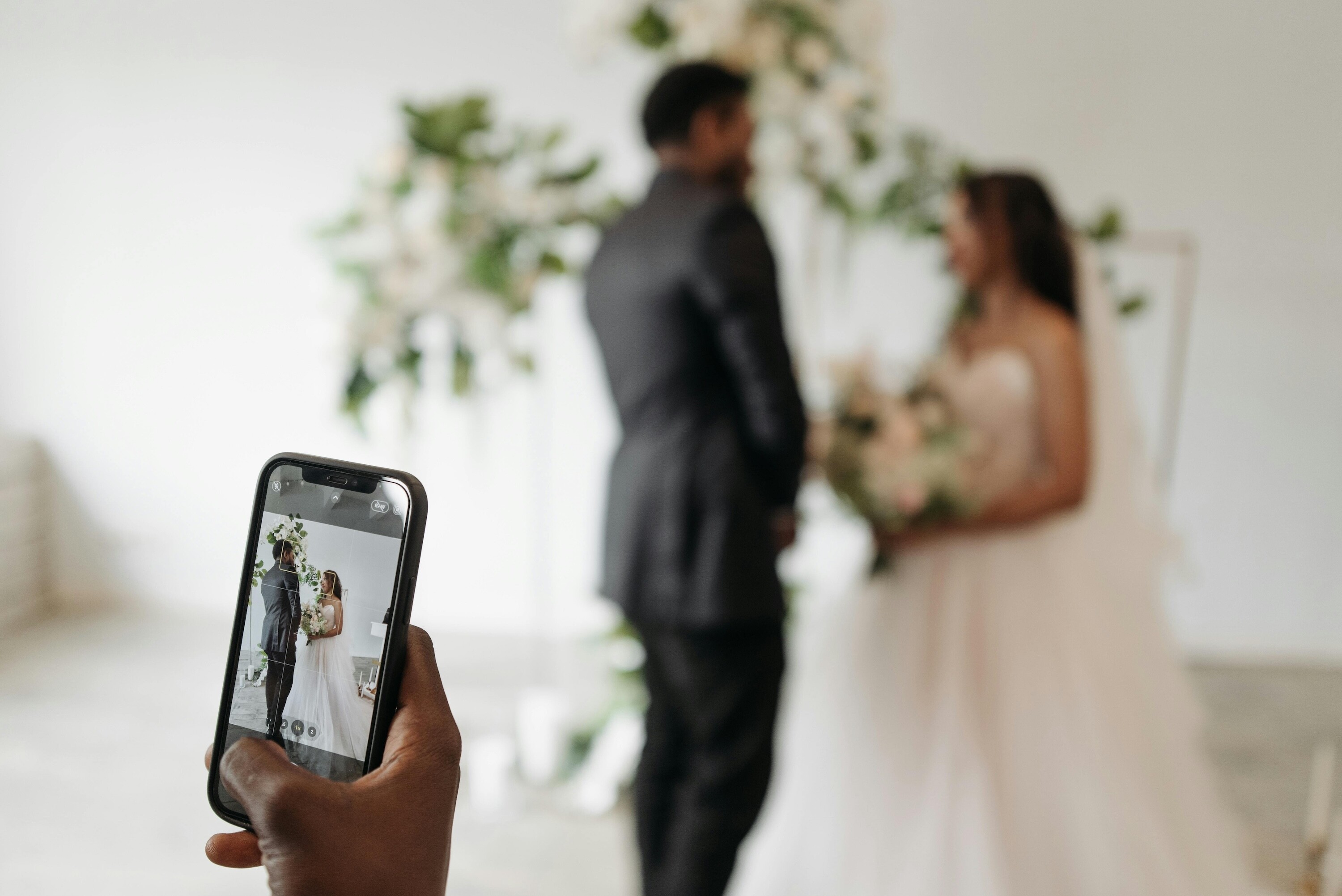
Some couples consider asking a friend or family member to take their photos, especially when working with a tight budget. While this can work for very small or simple weddings, it's important to remember that wedding photography is challenging and fast-paced. Professional photographers bring technical skill, backup equipment and the ability to manage changing light, timings and group shots - things that can be hard for even a keen hobbyist to handle.
If photography is a priority or you want full-day coverage with consistent results, a professional is almost always the safer choice.
Find a professional wedding photographer on Guides for Brides.
Should You Have an Engagement Photoshoot?
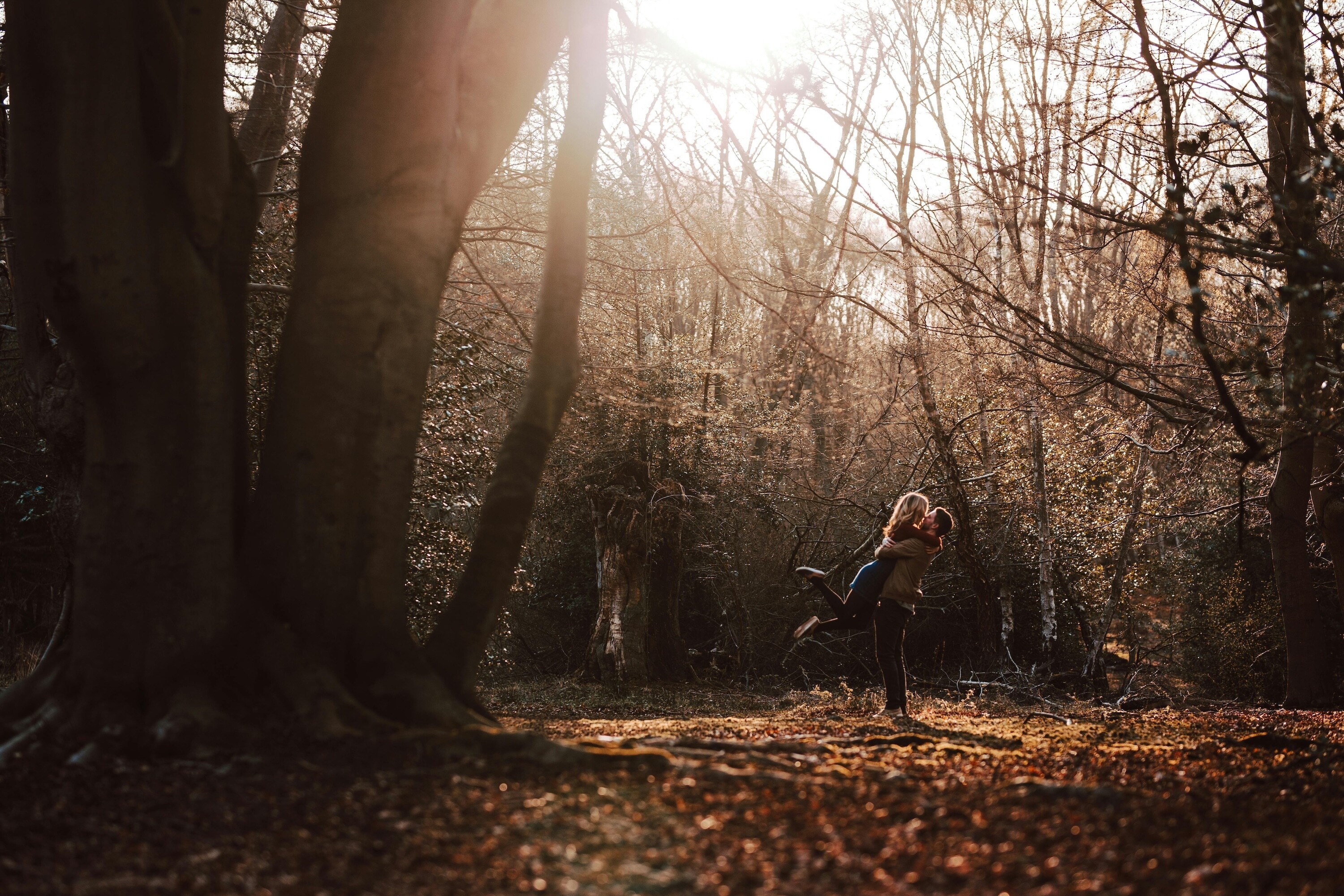
Some photographers may also offer an engagement shoot prior to your wedding day. This is a great opportunity to get to know your wedding photographer and what to expect on the big day. It can also help you to feel more relaxed on the day itself. Ask your wedding photographer if this is something they offer, and whether this is included in the price or at an additional cost.
Engagement shoot photos make a wonderful memory for you to keep. Planning a wedding can be stressful, and it can be a great idea to take some time out to relax and enjoy each other's company, whilst getting some stunning photos.
If you're considering one, take a look at our guide to engagement photoshoots. It covers how they work, what they cost, what to wear, and creative ideas to help you make the most of the session.
What Is an Unplugged Ceremony?
An unplugged ceremony is when you ask your guests not to take photos or videos on their phones or cameras during the ceremony. This allows your photographer to capture the key moments without distractions or mobile phones blocking faces in the aisle shots.
It's completely a personal choice. Some couples prefer a 'phone-free' ceremony so everyone is fully present in the moment, while others are happy for guests to take their own pictures. Either option works - the most important thing is letting your guests know what you'd prefer ahead of time.
Can You Get Beautiful Photos If It Rains?
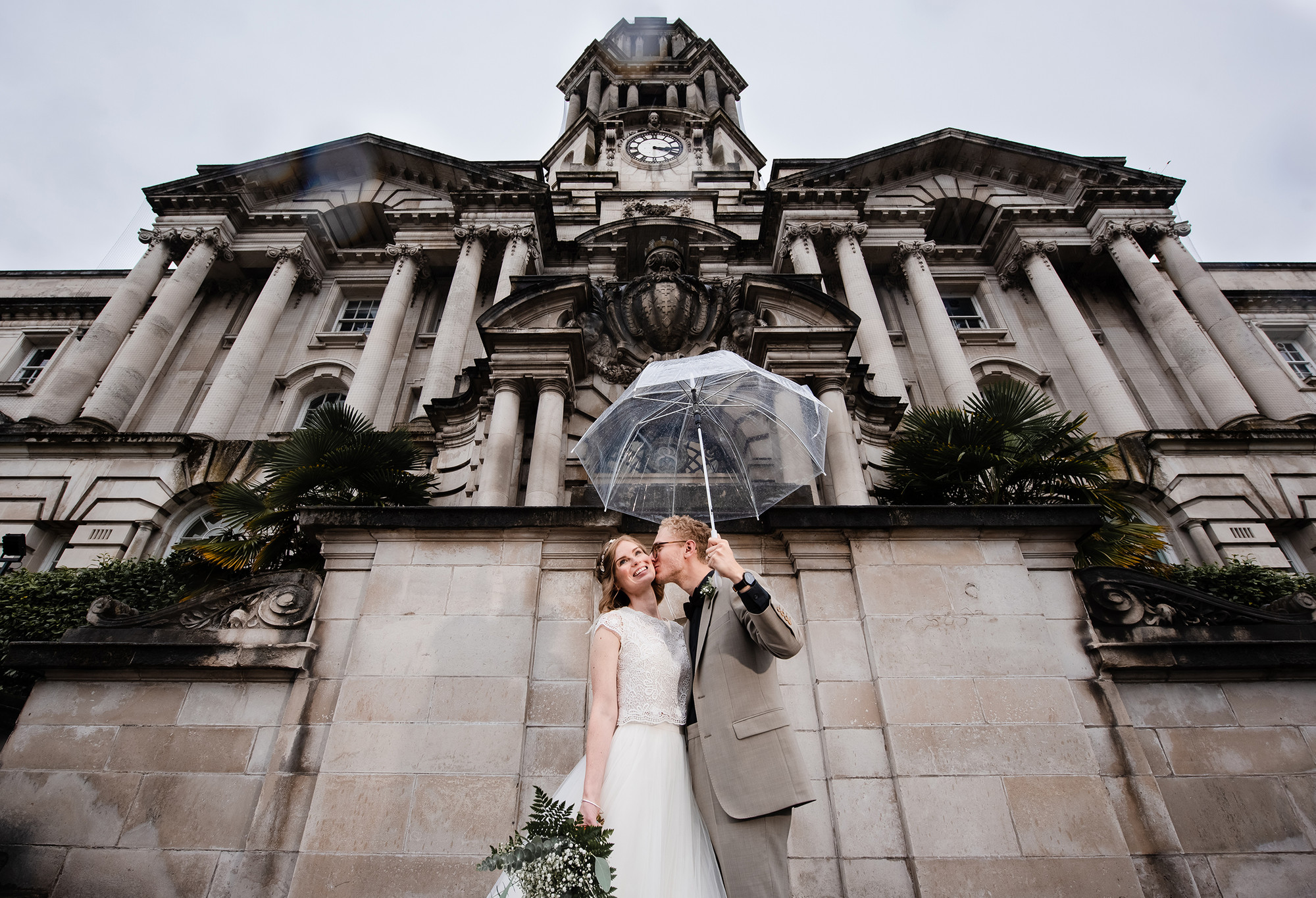
Absolutely! Rain doesn't stop your photographer from capturing brilliant photos - it simply changes the approach. Most experienced photographers will have a back-up plan ready, including indoor spots for couple portraits and covered areas at your venue for group photos.
If you're happy to embrace the weather, clear umbrellas and soft, diffused light can actually make your photos look incredibly romantic. Just ask your photographer how they usually handle rainy days so you know what to expect.
Wedding Photo Ideas
Every photographer will capture the natural flow of the day, but having a few ideas in mind can help you highlight the moments that matter most to you without creating an overwhelming shot list.
Pre-Ceremony or First Look
Small moments before the ceremony can make some of the most meaningful images. This might include a quiet exchange with a parent, a first look with your partner, or simply the atmosphere of everyone getting ready.

The Aisle Moment
Whether you choose to walk in together or separately, this is a moment filled with emotion. Photographers often capture both perspectives - the entrance and the partner waiting at the top of the aisle.
Key Family Groups
Most couples choose a handful of family or bridal party group photos. Keeping this list short ensures they're relaxed, natural and don't interrupt the flow of the day.
Couple Portraits
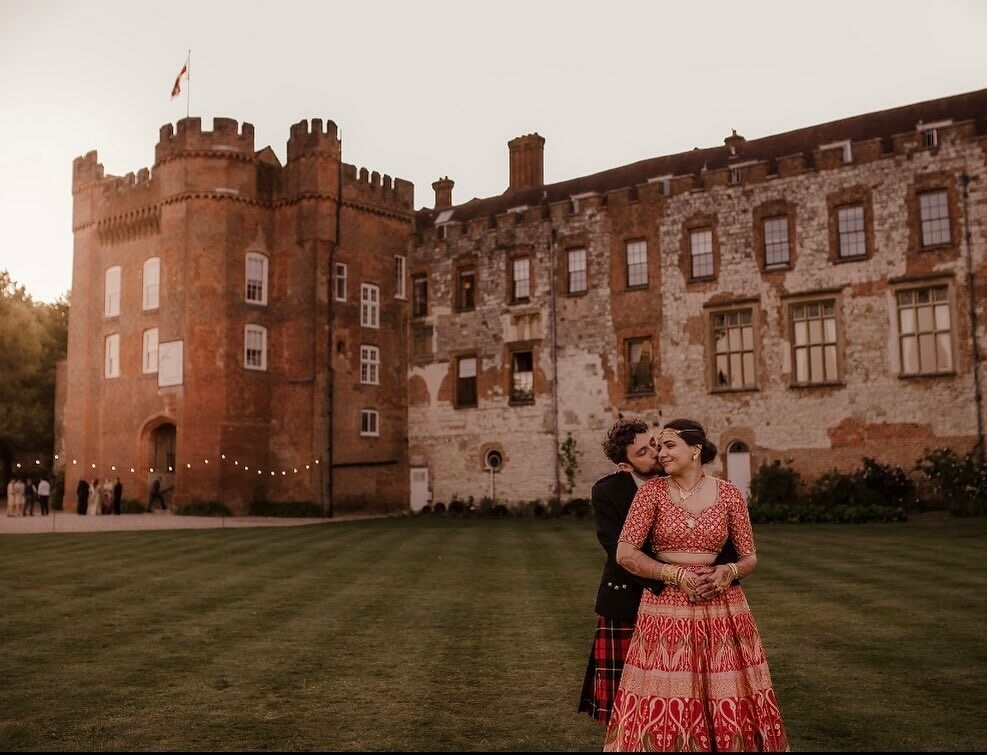
These are usually taken during a short break in the day, often between the ceremony and the meal. They don't need to feel formal - many photographers create a relaxed environment so you can simply enjoy a few moments together.
Confetti
Confetti shots remain one of the most popular moments. Whether you choose dried petals, bubbles or an alternative, the movement and reactions create lively, fun photos.
Speeches & Reactions
From laughter to emotional moments, the speeches often bring out genuine expressions that make for some of the most memorable images from your day.
First Dance
Your first dance marks a natural transition into the evening celebrations. Photographers often capture both the moment itself and the atmosphere around you as guests join in.
Details & Styling
Your flowers, tablescape, décor, stationery and personal touches are all part of the story of your day. Photographers usually capture these early on, before guests arrive.
Creative Photo Ideas

If you'd like to add something a little different to your gallery, some couples choose to include a few creative elements. These aren't essential, but they can add variety if they suit your style.
- Golden hour portraits - soft, flattering light that creates some of the most romantic images of the day.
- Confetti or bubbles - a joyful, movement-filled moment; bubbles are a great alternative if your venue restricts confetti.
- Veil-in-motion - using movement to create beautifully dynamic and elegant portraits.
- Silhouettes - striking evening shots that make the most of sunset or architectural backdrops.
- Sparkler exit - a fun, celebratory send-off (check with your venue about safety rules).
- Pet portraits - perfect if you're including your dog or other pets in the day.
- Coloured smoke canisters - bold and creative, ideal for outdoor spaces (venue approval essential).
- Champagne tower - great for capturing reactions, laughter and the energy of your celebration.
A professional photographer will let you know what's achievable based on light, weather and venue rules, so you won't need a long list - just a couple of ideas you genuinely love.
Your Photos After the Wedding
Once your day is over, your photographer will begin editing your images and assembling your final gallery. Most photographers send a small preview or “sneak peek” within 48-72 hours, giving you a handful of edited favourites to enjoy straight away. Your full gallery usually arrives between 4 and 12 weeks later, depending on the photographer's workflow, season and editing style.
Many couples also choose to preserve their favourites in a printed album. These albums are professionally designed, bound, and printed to last for decades, making them a meaningful keepsake long after you've viewed your digital gallery.
If you're considering an album, it's worth asking your photographer about:
- Album style - most offer modern photo books, traditional albums, or fine-art printed books.
- Quality - look for durable binding, thick pages and high-quality printing.
- Customisation - many photographers offer bespoke designs, cover materials, or parent albums.
Albums aren't essential, but they're still one of the most special ways to enjoy your favourite images in a physical format. If it's something you'd like, discuss options early so it can be added to your package.
Do Photography Associations Matter?
You may notice that some wedding photographers list membership with professional associations, while others don't. Membership isn't essential, but it can offer reassurance that a photographer invests in ongoing training, follows a code of conduct and is part of a wider professional network.
At the same time, many of the UK's most established and in-demand photographers choose not to join an association. This is often because they already have years of experience, a strong reputation, and feel they don't need the additional resources, accreditation or annual fees.
If you're comparing photographers, association membership can be a helpful sign of professionalism, but it's not the only marker of quality. A consistent portfolio, strong reviews and reliable communication are also important.
Key UK associations include:
- SWPP (Society of Wedding & Portrait Photographers) - training, mentoring and industry qualifications.
- The Guild of Photographers - awards, education and professional standards.
- BIPP (British Institute of Professional Photography) - recognised professional accreditation.
There are thousands of wedding photographers working across the UK, and only a small percentage are members of an association - most rely instead on experience, portfolio quality and client recommendations. If an association matters to you, simply ask your photographer what they're part of and why, but don't be concerned if they choose not to join one.
Ready to book your wedding photographer? Find them on Guides for Brides.