


For many couples, planning a wedding starts with one big question: how much can we realistically afford to spend?
Setting a wedding budget can feel overwhelming. Where do you begin? How much does everything cost? And perhaps most importantly, can you still have the wedding you want without spending more than you're comfortable with?
If you've started researching wedding costs, you'll quickly discover that the average UK wedding budget is often reported as being significantly higher than £10,000. In fact, our research into wedding venue costs found that venues providing a typical wedding package price alone averaged £9,163, before considering many of the additional costs associated with a wedding day.
This can make planning a wedding for under £10,000 seem unrealistic. However, averages don't reflect personal priorities. For some couples, affordability means choosing a smaller guest list. For others, it means getting married on a weekday, choosing an all-inclusive package or prioritising a handful of important elements, while others simply want to make affordable decisions that help them get the best possible value from their budget.
The key is understanding your priorities, making informed decisions and focusing your spending where it will have the biggest impact - because a budget wedding doesn't have to mean a basic wedding.
If you're working with a budget of £10,000, this guide will help you understand what is realistic, where your money is likely to go and how to create a wedding that feels personal, meaningful and enjoyable without overspending. If you're still exploring your options, our Affordable Weddings Hub brings together affordable wedding venues, trusted suppliers, real wedding inspiration and expert advice to help you plan a beautiful wedding for less.
Can You Have a Wedding for Under £10,000 in the UK?
Yes. A £10,000 wedding budget can comfortably accommodate many of the traditional elements of a wedding day, particularly when guest numbers, venue choice and supplier priorities are carefully considered.
While every wedding is different, many couples find this budget provides enough flexibility to create a meaningful celebration without sacrificing the elements that matter most to them.
Generally speaking, couples planning a wedding for under £10,000 will benefit from:
- Keeping guest numbers smaller
- Considering weekday or off-peak dates
- Choosing affordable venues and suppliers
- Prioritising spending rather than trying to include everything
- Looking for value rather than simply choosing the cheapest option
What Does a £10,000 Wedding Budget Look Like?
Every wedding is different, but having a realistic budget breakdown can help you understand where your money is likely to go.
Here's an example of how a £10,000 wedding budget could be allocated:
| Wedding Element | Suggested Budget |
|---|---|
| Venue & Catering | £4,000 - £4,500 |
| Photography | £800 - £1,000 |
| Wedding Attire | £800 - £1,200 |
| Flowers & Décor | £300 - £500 |
| Entertainment | £300 - £500 |
| Wedding Cake | £100 - £250 |
| Stationery | £100 |
| Ceremony Fees | £150 - £500 |
| Contingency Fund | Remaining Budget |
This isn't a strict formula.
Some couples may choose to spend more on photography and less on décor. Others may prioritise food and drink or invest more heavily in their venue.
The most important thing is ensuring your budget reflects your priorities.
If you're still deciding how to allocate your budget, take a look at our guide on How to Budget for a Wedding in the UK. It explains how to build a wedding budget from the ground up and includes a free wedding budget spreadsheet to help you track your spending and stay on top of your finances throughout the planning process.
How Many Guests Can You Have for a £10,000 Wedding?
Guest count is one of the biggest factors affecting wedding costs.
Every additional guest increases spending on:
- Food and drink
- Seating
- Favours
- Stationery
- Table décor
- Venue requirements
For a £10,000 wedding budget, many couples find that somewhere between 40 and 80 guests offers the best balance between affordability and flexibility.
A smaller guest list can allow you to:
- Choose a more premium venue
- Invest in professional photography
- Upgrade your food and drink offering
- Spend more on personal touches
If keeping costs under control is a priority, reducing guest numbers is often one of the most effective ways to make your wedding budget go further.
Affordable Doesn't Mean Compromising
One of the biggest misconceptions about budget weddings is that spending less automatically means sacrificing quality. In reality, many couples achieve excellent value by making affordable decisions rather than simply choosing the cheapest option available.
Consider a Midweek Wedding
The wedding date you choose can have an impact on the cost of the event. Many wedding venues offer significantly lower rates for weekday weddings. A venue that costs several thousand pounds on a Saturday may be substantially more affordable on a Tuesday.
While a weekday wedding may not suit every guest, it can allow you to access venues that would otherwise sit outside your budget.
Think About Guest Numbers
A smaller guest list doesn't necessarily mean a smaller celebration. Many couples choose to have a more intimate wedding so they can spend more on the elements that matter most to them, such as food, photography or entertainment.
Explore Pub and Restaurant Weddings
Traditional wedding venues aren't the only option. Pubs and restaurants can provide fantastic settings for intimate weddings and often deliver excellent value for money.
They can be particularly appealing for couples who want a relaxed atmosphere and great food without the costs associated with a larger venue with formal catering.
Consider Inclusive Wedding Packages
Many hotel wedding venues offer packages that include several elements of the wedding day in one price.
These packages often include:
- Venue hire
- Catering
- Furniture
- Basic décor
- Coordination support
The trade-off is that you may have less flexibility over suppliers or styling, but they can offer excellent value for couples working within a fixed budget.
If you're exploring different venue options, browsing a selection of budget wedding venues can help you compare locations, package styles and price points that align with your priorities. Once you've found the right venue, you can then explore budget wedding suppliers to find photographers, florists, entertainers and other wedding professionals who can help bring your vision to life while keeping your spending on track.
Where to Spend and Where to Save on a £10,000 Wedding
Every couple has different priorities, but there are some areas where spending a little more can deliver long-term value.

Worth Prioritising
Photography - Your wedding photographs will last long after the wedding day itself. If photography is important to you, it may be worth allocating a larger portion of your budget here and reducing spending elsewhere.
Food and Drink - Guests are more likely to remember a great meal and enjoyable atmosphere than expensive favours or elaborate decorations.
Venue Choice - Your venue often influences multiple areas of your wedding budget, including catering, décor, furniture hire and guest capacity. Choosing the right venue can help your budget go further without relying on lots of additional styling costs.
Areas Where You Can Save
Stationery - Digital invitations and wedding websites can significantly reduce costs.
Favours - Many guests won't notice if favours are omitted entirely.
Décor - Rather than filling a blank space with additional décor, consider how your venue can contribute to the overall atmosphere of the day.
Wedding Cake - A simple cake, cupcakes or a dessert table can be more affordable than a traditional multi-tiered cake.
What a £10,000 Wedding Can Look Like
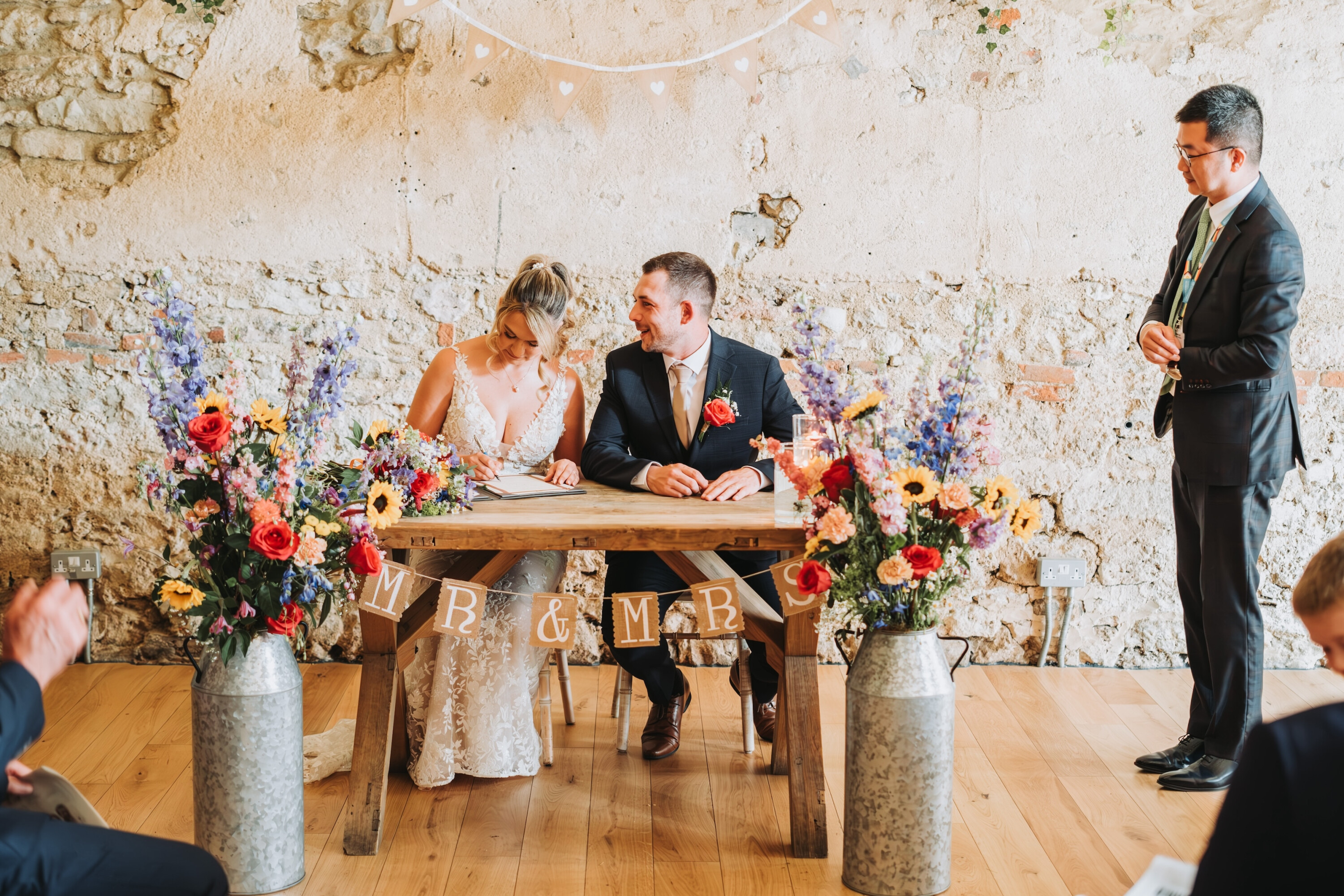
One of the best ways to understand what's achievable on a £10,000 budget is by looking at real weddings. Many couples discover that affordability doesn't have to mean sacrificing style or personality.
A carefully planned wedding with a smaller guest list, thoughtful supplier choices and clear priorities can feel every bit as special as a wedding with a much larger budget.
Browse our collection of real weddings between £5,000 and £10,000 to see how other couples made their budgets work while wedding planning, and discover practical ideas for your own celebration.
Top Tips for Planning a Wedding for Under £10,000
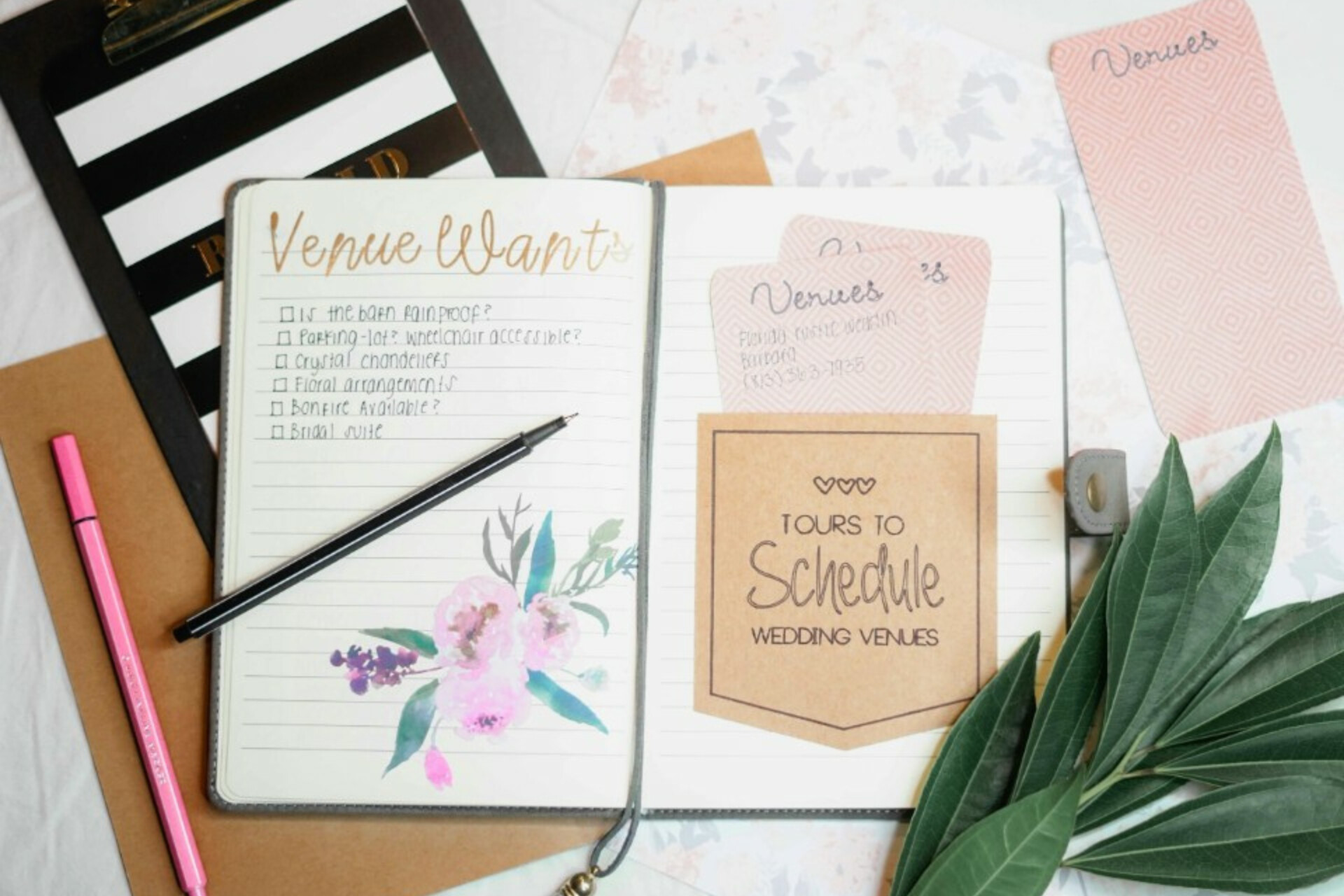
Set Your Priorities Early - Decide what matters most before you start booking suppliers.
Track Your Spending - Keeping a close eye on your budget throughout the planning process can help avoid unexpected costs.
Compare Multiple Quotes - Shopping around can help you find excellent value without compromising on quality.
Consider Off-Peak Dates - Winter weddings and weekday celebrations are often more affordable than peak-season Saturdays.
Plan in a shorter timeframe - Couples who are flexible and happy to plan their wedding within six months or less can often take advantage of late availability offers from wedding venues and suppliers. Many businesses offer special offer discounts on remaining dates, making it possible to secure your preferred services at a lower cost.
Leave Room for Unexpected Costs - A contingency fund can help reduce stress later in the planning process.
Focus on the Experience - Guests are more likely to remember how your wedding felt than how much you spent.
A Beautiful Wedding Is About More Than Your Budget
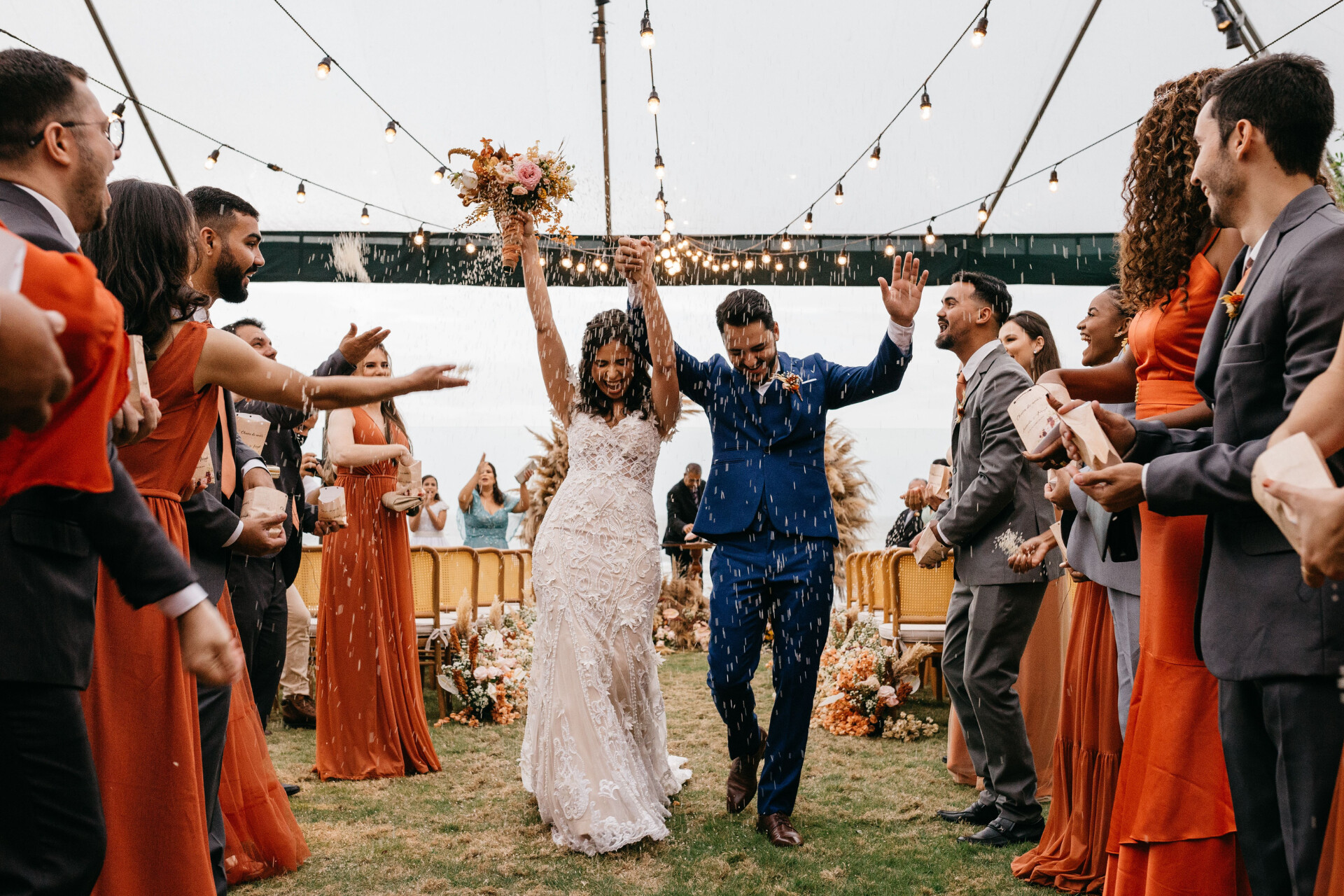
Planning a wedding for under £10,000 may require some thoughtful decisions and some compromises, but it doesn't mean you can't have an absolutely incredible wedding day.
If you're looking for more inspiration, practical planning advice and cost-saving ideas, explore our Affordable Weddings Hub, where you'll find expert guidance, suggested venues and suppliers, and helpful resources to help you plan a wedding that works for your priorities, style and budget.
FAQs About Planning a Wedding for Under £10,000