





"Marriage is just a construct." Maybe it's true. True love doesn't depend on the legal status of your relationships.
However, marriage doesn't only give you tax benefits. Studies prove that marriage and emotional/physical well-being are closely connected. Not necessarily marriage, but any shared long-term relationship with companionship shares these benefits.
How can marriage be any good for a person? This article critically assesses marriage and health: benefits, drawbacks, influencers, and tips to get the most out of tying the knot.
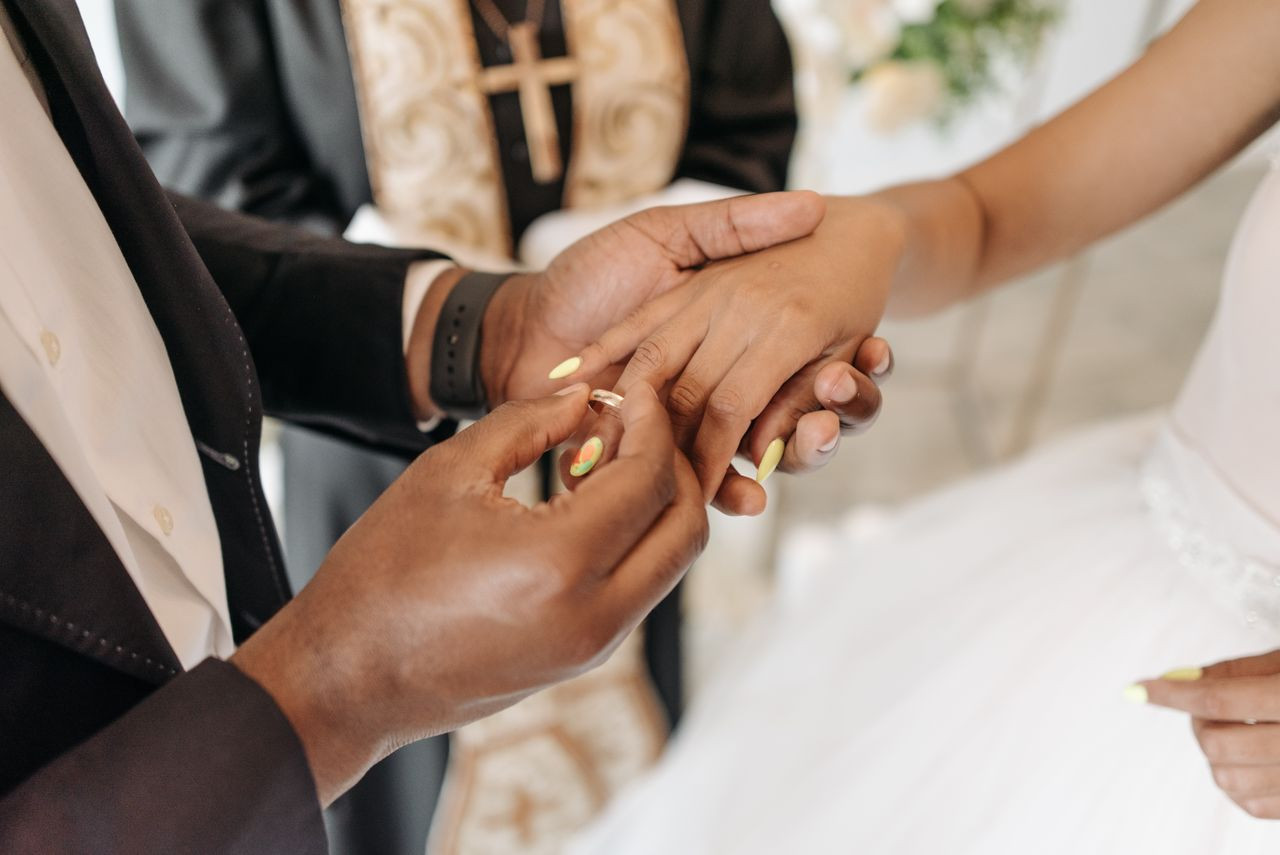
5 Emotional Benefits of Marriage
Info: These benefits apply not only to wedded couples but also to long-term committed couples who share the same values as legal marriage.
1. Companionship and Support
You two against the world.
Marriage creates a unique sense of companionship that is non-reproducible in other relationships. A spouse is the only family member that you choose. This makes the companionship in marriage the most unique out of all human relationships.
Having someone consistently by your side to offer almost unconditional support fulfils a fundamental evolutionary need for emotional connection and safety. Knowing you do not have to face hardship alone just makes life easier.
Optionally, you can determine your and/or your partner's attachment style. An accessible and free way to do this is to take this psychology quiz, which is based on the original Bowlby's attachment theory.
2. Security
Stability and safety are the first psychological needs to fulfil. Abraham Maslow said it back in 1943.
When you aren't constantly worrying about where you stand or what the future holds, you naturally feel happier and free up cognitive resources to focus on personal growth and self-actualisation.
Marriage or being a long-term partner eliminates the need to constantly think about romantic relationships or whether you look desirable. This is an underrated feeling of security.
3. Lower Risk of Addictions
A study published in the American Journal of Psychiatry found an association: married people were less likely to develop an addiction.
Researchers found that married men and women were 60% and 71%, respectively, less likely to develop an alcohol use disorder compared to their single counterparts. This effect was especially prominent among those who had a family history of alcohol abuse.
But why does this happen? An accurate mechanism is unknown, but researchers suppose that spousal monitoring plays a huge role: adults in marriage don't necessarily drink less, but they monitor each other better.
Partners notice and speak up against unhealthy drinking habits before they become an addiction. The habits tied to addictions are also incompatible with the shared-responsibilities environment of a stable, long-term home. Hence, people who choose commitment over substances will most likely stick to their choice long-term.
4. Commitment
One of the most liberating emotional aspects of marriage is the complete absence of pressure to constantly "perform" or impress someone new.
Because both partners have explicitly committed to being in the relationship for the long haul, they can finally relax and be their authentic selves without fear of rejection.
Being authentic to yourself is associated with better mental health outcomes. Performance requires a lot of cognitive energy and can convince people that there might be something wrong with them. Absence of performance does the opposite - proves that a person is okay and other people, like their spouse, confirm that.
5. Higher Life Satisfaction
Life satisfaction in a healthy marriage is a compounding benefit: when you have unwavering emotional support, stability, freedom from dating burnout, etc., your overall well-being naturally rises.
Most satisfied couples share a common sense of purpose and actively encourage each other to pursue both joint milestones and personal aspirations.

4 Physical Benefits of Marriage
Disclaimer: Marriage itself doesn't make a person healthier. The following physical benefits are attributed to the lifestyle and routines that are common in marriage. Whether a married person will experience these health benefits of marriage depends on relationship quality and individual circumstances much more than the presence of marriage.
If spouses love and respect each other, they feel good. Emotional satisfaction with their lives manifests as less stress. The less stress, the better physical health. The physical health benefits include, but are not limited to:
1. Healthier Routines and Daily Habits
Remember spousal monitoring? It helps partners in marriage build daily habits that build a healthy lifestyle.
Partners tend to notice when bad habits start to form and encourage each other to make positive changes. Driven by a deep sense of shared responsibility, marriage partners feel a duty to stay healthy for the sake of their family.
A few factors contribute to the fact that committed couples have healthier routines:
Spouses motivate each other to see a doctor when new health concerns or unusual symptoms arise.
Married couples tend to maintain more stable daily schedules.
Married partners engage in risky behaviours less frequently than single adults.
2. Better Cardiovascular Health
One study that involved 1.7+ million individuals found an interesting association: Compared to singles (unmarried, divorced, and widowed) individuals, married people were found to have a lower chance of all-cause, cancer, and heart attack mortality [2].
Spousal monitoring plays a role here as well: the mutual responsibility and stable shared routines indirectly benefit the heart. Because couples in marriage are statistically less likely to smoke, eat junk food, and sleep poorly, they might have slight cardiovascular benefits in comparison to singles [2].
3. Stronger and Quicker Recovery
A major study of 25,000 people in England revealed that among individuals suffering a heart attack, married patients were 14% more likely to survive and were able to leave the hospital two days earlier than single patients [3].
Why do people who are happily married seem to recover quicker? A few factors interplay:
Decreased mental load: Having a spouse handle daily domestic responsibilities, like cooking and cleaning, removes pressure. It frees up mental and physical capacity required for healing.
Care confidence: People who require care feel better when they know they have someone they can rely on. Such confidence reduces stress. And you guessed it: less stress—better immunity.
4. Longevity
Studies consistently show that there is an association: long-term relationships more frequently experience longevity [4]. However, the mechanism for why it happens isn't completely clear to researchers.
The best explanation science has to offer for why marriage is associated with longevity is better stress regulation in married couples, as chronic stress is widely recognised as a major risk factor for adverse health outcomes.
A study published in Psychoneuroendocrinology found that cortisol levels in married individuals declined more quickly than in those without long-term relationships [4].
Why is stress regulated better? It's still unknown. We can attribute it to confidence in the future, presence of support, positive emotions from emotional closeness, etc.—attributes of satisfying, fulfilling long-term relationships.
3 Potential Health Drawbacks of Marriage
To be fair, marriage isn't a magical pill for every health problem. The health of partners depends entirely on the quality of romantic relationships. Relationships in a couple become strained? Here's what to expect:
1. Pressure and mental burden: Being responsible for yourself is hard. Imagine worrying and taking care of another person. That's a whole different level of mental load.
When a partner doesn't support as a partner should, this imbalance creates pressure. The unresolved pressure can lead to heightened anxiety, chronic stress, and emotional burnout.
2. Social isolation: Marriage itself doesn't socially isolate people. However, when people are in toxic, abusive, or poor long-term relationships, they're more likely to feel socially isolated [5]. As if neither their partner nor the world understands and supports them.
The World Health Organization (WHO) named loneliness and isolation “a priority health problem” as they directly impact mental and physical health [6].
3. Severe psychological impact of toxic dynamics: Remaining in an emotionally or physically abusive marriage drastically increases the risk of developing clinical depression, chronic anxiety disorders, and stress-related physical ailments, completely wiping out any theoretical health perks of marriage.
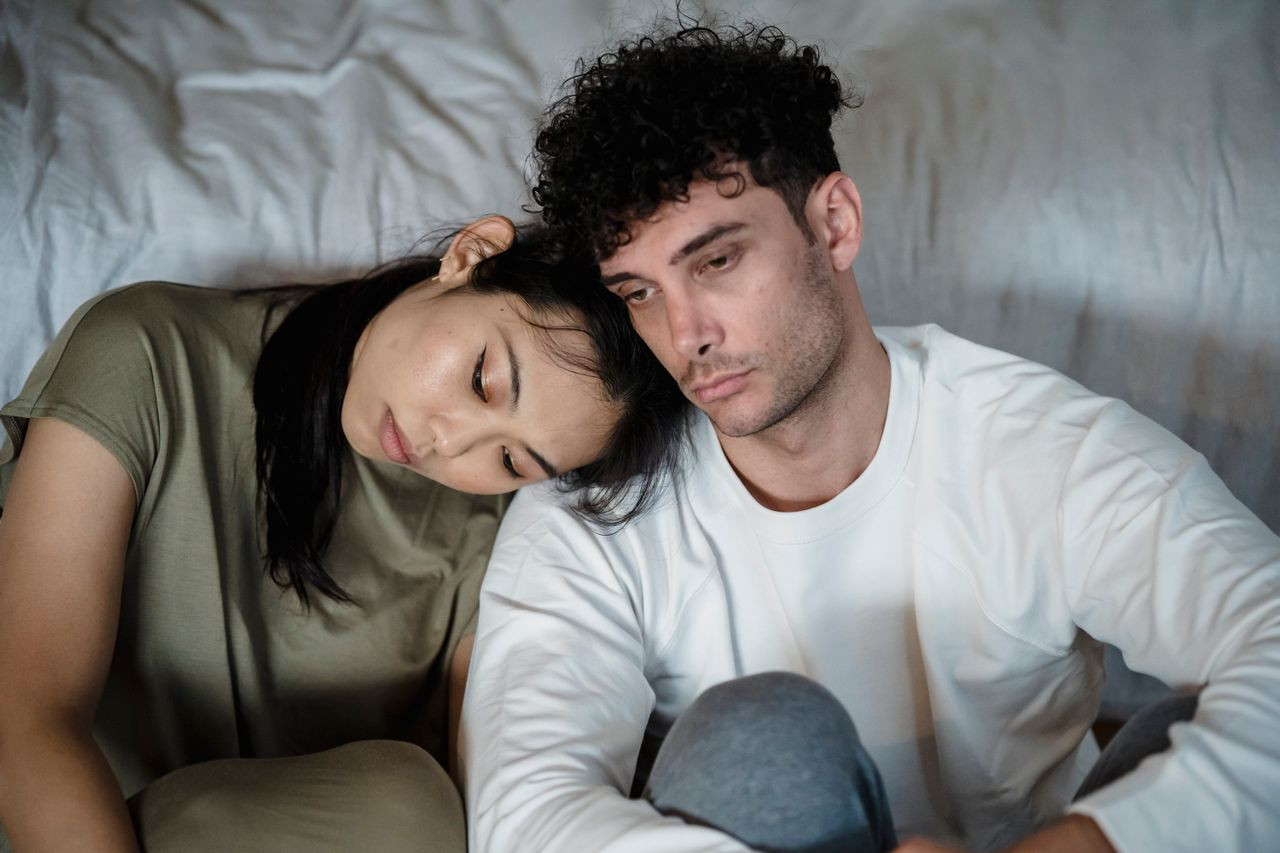
Is Marriage Good for Everyone?
The health and happiness benefits of marriage are not automatic. The quality of relationships before and during marriage significantly impacts whether spouses will experience the health benefits of marriage.
Quality Matters
In fact, remaining in a low-quality or high-conflict marriage can severely degrade physical and mental health compared to staying single. When single, a person should only take care of themselves. But in a marriage with unequal labour and emotional demands, the pressure can lead to dissatisfaction and reverse all potential health benefits of marriage.
The physical and mental perks of wedlock are only accessible if the marriage itself is healthy and supportive. A wedding just for the sake of a wedding won't solve the couple's ongoing conflicts.
Gender Differences
There is a popular belief that married women are less healthy and happy than married men. Married women are also less satisfied with their lives than single women. So, married women end up as the most disadvantaged group.
However, research demonstrates that women's health depends fundamentally on marital satisfaction. Women in happy, highly satisfying marriages do experience the same health benefits as men, compared to unmarried individuals [6].
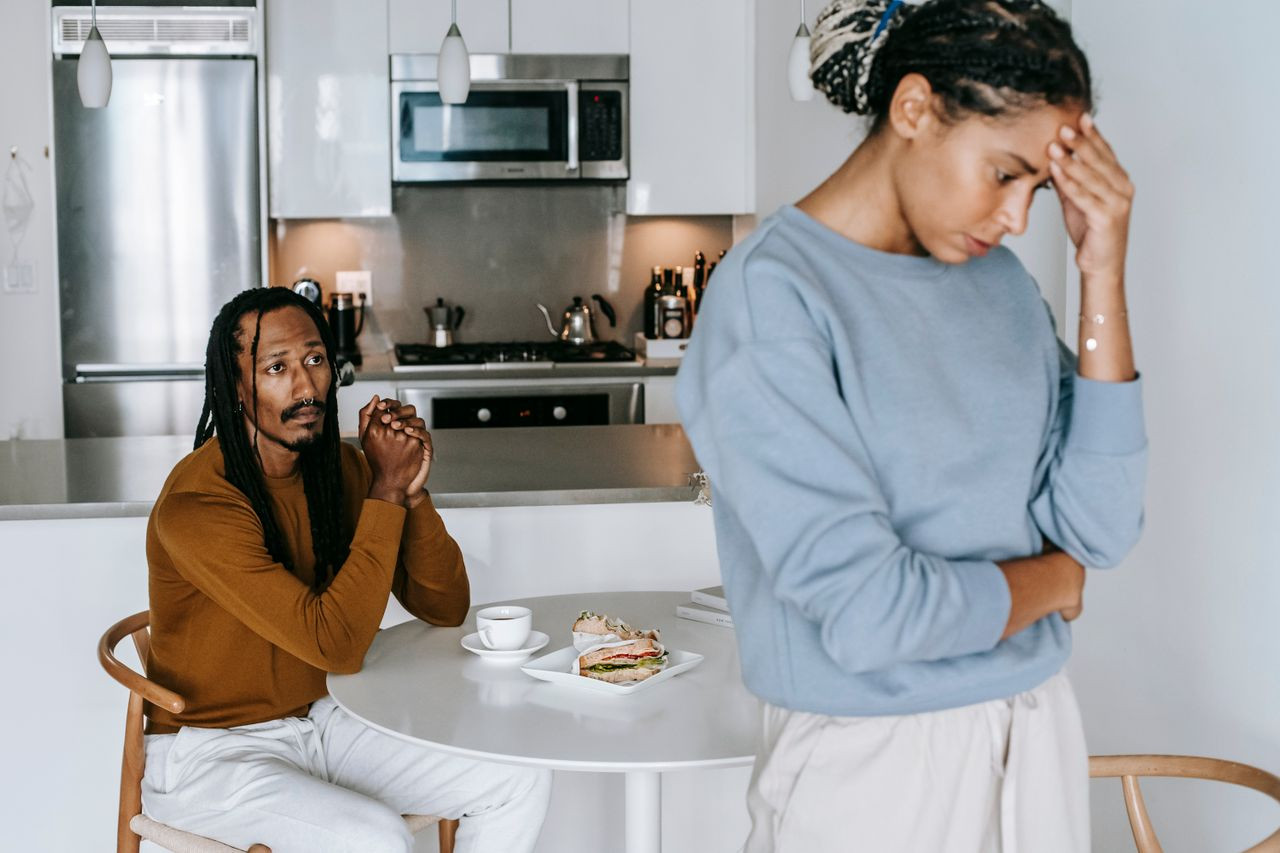
How to Maximise Marriage's Benefits for Health
So, whether marriage is good for health depends on how spouses behave and their relationships. To fully enjoy the physical and psychological perks of marriage, couples must actively cultivate a supportive relationship. Focus on these three key strategies.
- Divide household chores fairly: Build genuine companionship and deep trust by sharing domestic labour equitably. Be ready to step in and support your partner when they feel overwhelmed. Equal partnership reduces chronic stress and reinforces the sense that you can rely on each other through any challenge.
- Practice healthy habits together: Engaging in wellness activities together makes healthy living far more enjoyable and helps keep you both accountable.
- Maintain separate hobbies and friendships: Preserve your individual identity to prevent co-dependency and social isolation. Having your own interests, goals, and social circles ensures you do not place the entire burden of your personal growth and happiness onto one person.
Sources:
Effect of Marriage on Risk for Onset of Alcohol Use Disorder: A Longitudinal and Co-Relative Analysis in a Swedish National Sample. American Journal of Psychiatry. May 2016.
The association between marital status and the risk of cardiovascular, cancer, and all-cause mortality: An updated systematic review and meta-analysis. JRSM Cardiovascular Disease. November 2025.
Marriage could improve heart attack survival and reduce hospital stay. Science Daily. June 2016.
Marital status as a predictor of diurnal salivary cortisol levels and slopes in a community sample of healthy adults. Psychoneuroendocrinology. April 2017.
Marital Status and Health: United States, 1999–2002. Advance Data from Vital and Health Statistics. December 2004.
Marriage Appears to Be Beneficial to Women's Health, But Only When Marital Satisfaction Is High, New Research Shows. American Psychological Association. September 2003.