



Planning a wedding should feel exciting, personal and straightforward - but for many same-sex and LGBTQIA+ couples, wedding planning can still come with additional considerations that traditional wedding advice does not always cover.
From finding venues and suppliers that use inclusive language, to rethinking traditional wedding roles and navigating family dynamics, some couples approach wedding planning slightly differently. While the UK wedding industry has become far more inclusive over the years, many people still want reassurance that the businesses they book genuinely understand, support and celebrate them.
Guides for Brides has always proudly supported all couples and celebrated love in every form. As part of our commitment to creating one stronger, more inclusive platform for everyone planning a wedding, our sister brand Pride Guide is now becoming part of Guides for Brides.
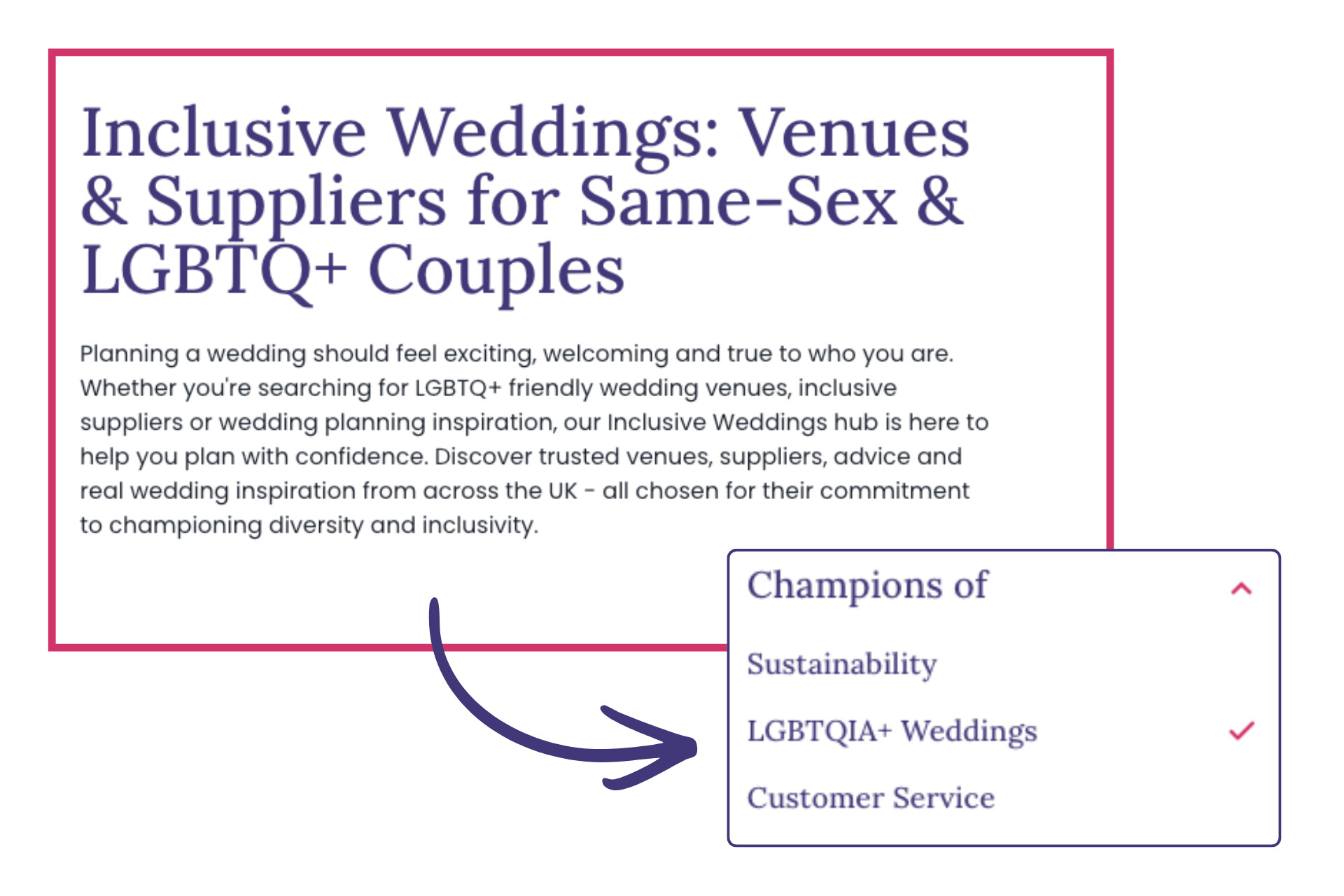
Our aim is to make it easier for couples to discover venues, suppliers, practical advice and real wedding inspiration all in one place through our Inclusive Weddings hub, which highlights businesses actively supporting same-sex and LGBTQ+ weddings alongside wider inclusivity considerations across the wedding industry.
As part of this new direction, Guides for Brides is also introducing a 'Champions of…' initiative, helping couples identify venues and suppliers that proactively support inclusive wedding experiences. Couples will be able to use the new filter across venue and supplier listings to discover the venues and suppliers that proactively support the LGBTQ+ community.
This guide is designed to help couples plan a same-sex wedding in the UK with confidence. We'll cover venues, suppliers, ceremonies, legal planning, accessibility considerations and questions worth asking throughout the process.
While some couples use terms like same-sex wedding, LGBTQ+ wedding, queer wedding, lesbian wedding or gay wedding interchangeably, others may not identify with those labels at all. Throughout this guide, we use a range of language intended to reflect the different ways couples may describe themselves and their weddings.
What Planning a Same-Sex Wedding in the UK Looks Like Today
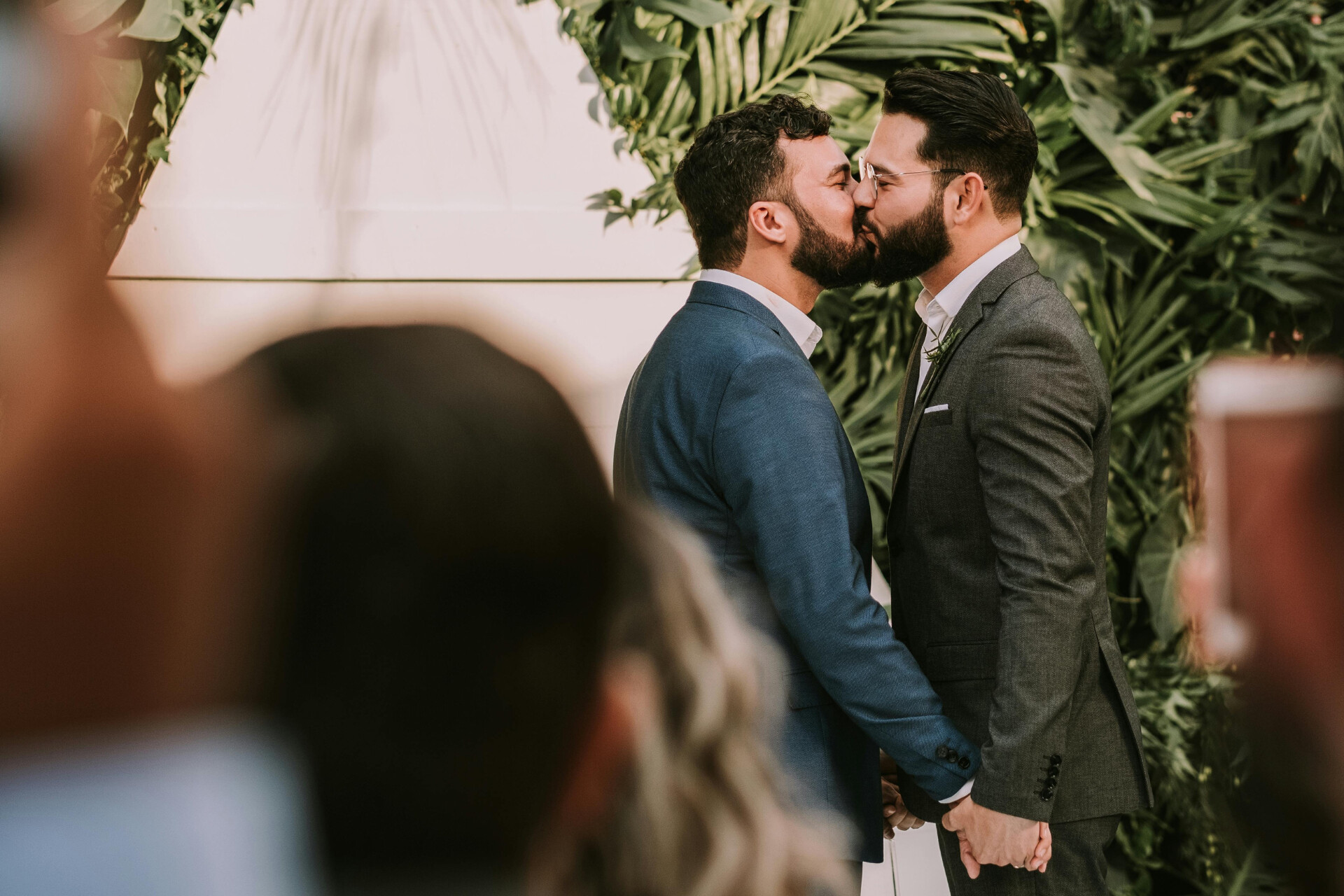
Same-sex marriage has been legal in England, Wales and Scotland for more than a decade, and many venues and suppliers now proudly support same-sex and LGBTQIA+ weddings, with inclusivity becoming a far more visible and established part of the UK wedding industry.
That said, some couples still encounter assumptions during the planning process. This might be as simple as supplier forms asking for “bride and groom”, or more significant concerns around family acceptance, representation in marketing imagery or confidence in how inclusive a venue genuinely is.
For many couples, planning a same-sex wedding is not necessarily about doing everything differently. Instead, it is often about having the freedom to choose what feels right without being restricted by traditional expectations.
That might mean:
- walking down the aisle together
- wearing outfits that do not follow traditional gender roles
- having mixed wedding parties
- choosing a celebrant-led ceremony
- including chosen family in important roles
- name changing
- rethinking traditions altogether
There is no single way to plan an LGBTQ+ wedding, and your day does not need to fit into any existing template to feel personal and meaningful.
First Steps to Take When Planning a Same-Sex Wedding
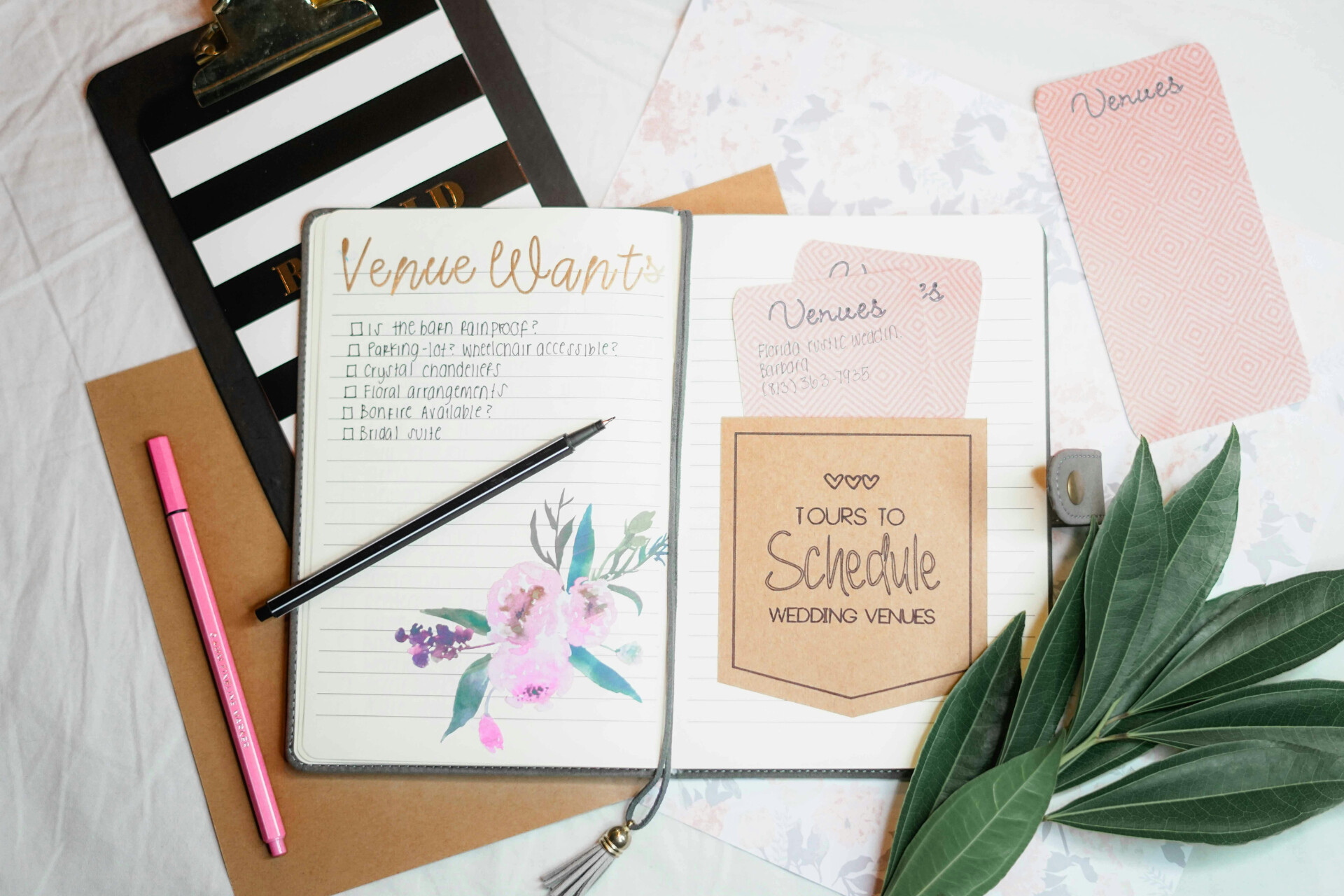
If you are at the beginning of the planning process, it can help to focus on a few key decisions first.
Most couples start by:
- discussing the type of wedding they want
- setting an initial budget
- building a rough guest list
- deciding on a ceremony style
- researching venues and suppliers
These early decisions will shape almost every other part of the planning process, from venue size and location to styling, timings and photography.
Start With the Type of Wedding You Want
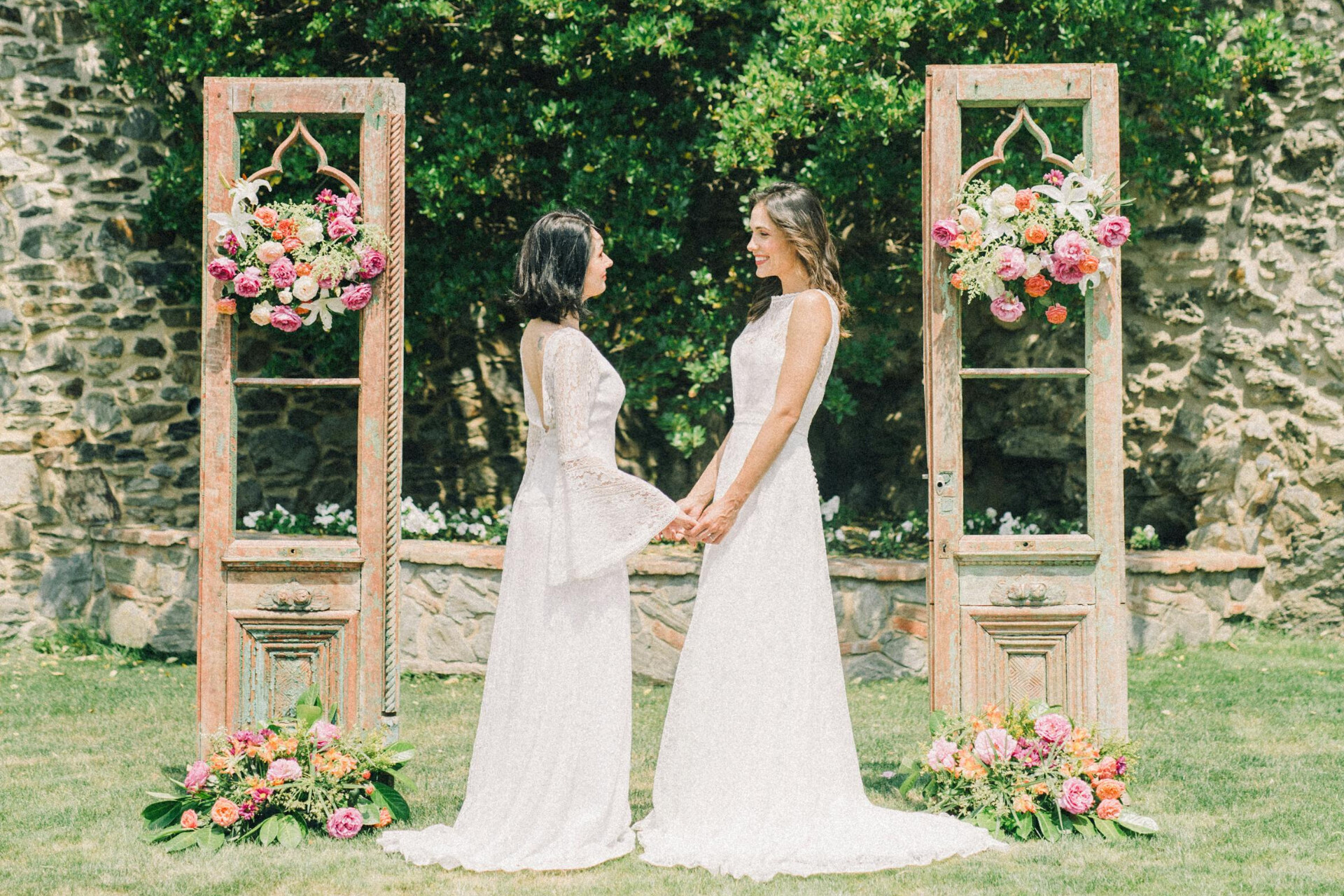
One of the first things to think about is what kind of wedding experience feels most like you as a couple.
Some couples want a traditional venue with formal structure and familiar wedding traditions, while others prefer a relaxed celebration, a city wedding, an outdoor ceremony or a completely non-traditional format.
Because many couples already approach traditions more flexibly, this stage can feel surprisingly freeing.
It can help to think about:
- how formal or relaxed you would like the day to feel
- whether there are any traditions you want to include, adapt or leave out
- the role family and chosen family will play in the celebration
- what type of ceremony best reflects your relationship
- how you want your guests to experience the day
- what aspects of the wedding matter most to you as a couple
It can also help to think about what parts of a wedding feel genuinely important to you, rather than what you feel expected to include.
If you are still deciding what type of ceremony suits you best, our guide to wedding ceremonies explains the different legal and non-legal ceremony options available in the UK, while our celebrant ceremony guide explores how celebrant-led weddings can offer more flexibility and personalisation within LGBTQ+ weddings.
It is also worth remembering that celebrant-led ceremonies in England and Wales are not currently legally binding on their own, so many couples choose to complete the legal marriage separately beforehand. Ceremony laws can differ across the UK, so it is important to check the latest guidance based on where you are getting married.
Finding LGBTQ+ Friendly Wedding Venues

Choosing a wedding venue is one of the biggest decisions you will make during the planning process, and for many same-sex and LGBTQIA+ couples, feeling confident that a venue is genuinely welcoming and inclusive can play an important role in that decision.
Through our Inclusive Weddings hub, couples can explore recommended same-sex wedding venues and supplier listings from businesses proactively supporting same-sex and LGBTQ+ weddings.
Many couples also look for signs of inclusivity across venue websites, real wedding galleries, reviews and social media. While filters and recommendations can be a helpful starting point, we would always recommend having direct conversations with venue and supplier teams to get a clearer picture of how comfortable and experienced a business is working with LGBTQ+ couples.
Questions LGBTQ+ Couples May Want to Ask Wedding Venues
We recommend starting with our wedding venue questions guide to cover the essential practical details that will help your day run smoothly. However, you may also want to explore the following considerations to ensure the venue is the right fit for you as a couple:
- Have you hosted same-sex or LGBTQ+ weddings before?
- Do you use gender-neutral language in your planning process?
- Can ceremony layouts and entrances be personalised?
- Are your getting-ready spaces suitable for different group dynamics?
- Are your recommended suppliers experienced with LGBTQ+ weddings?
Choosing Inclusive Wedding Suppliers
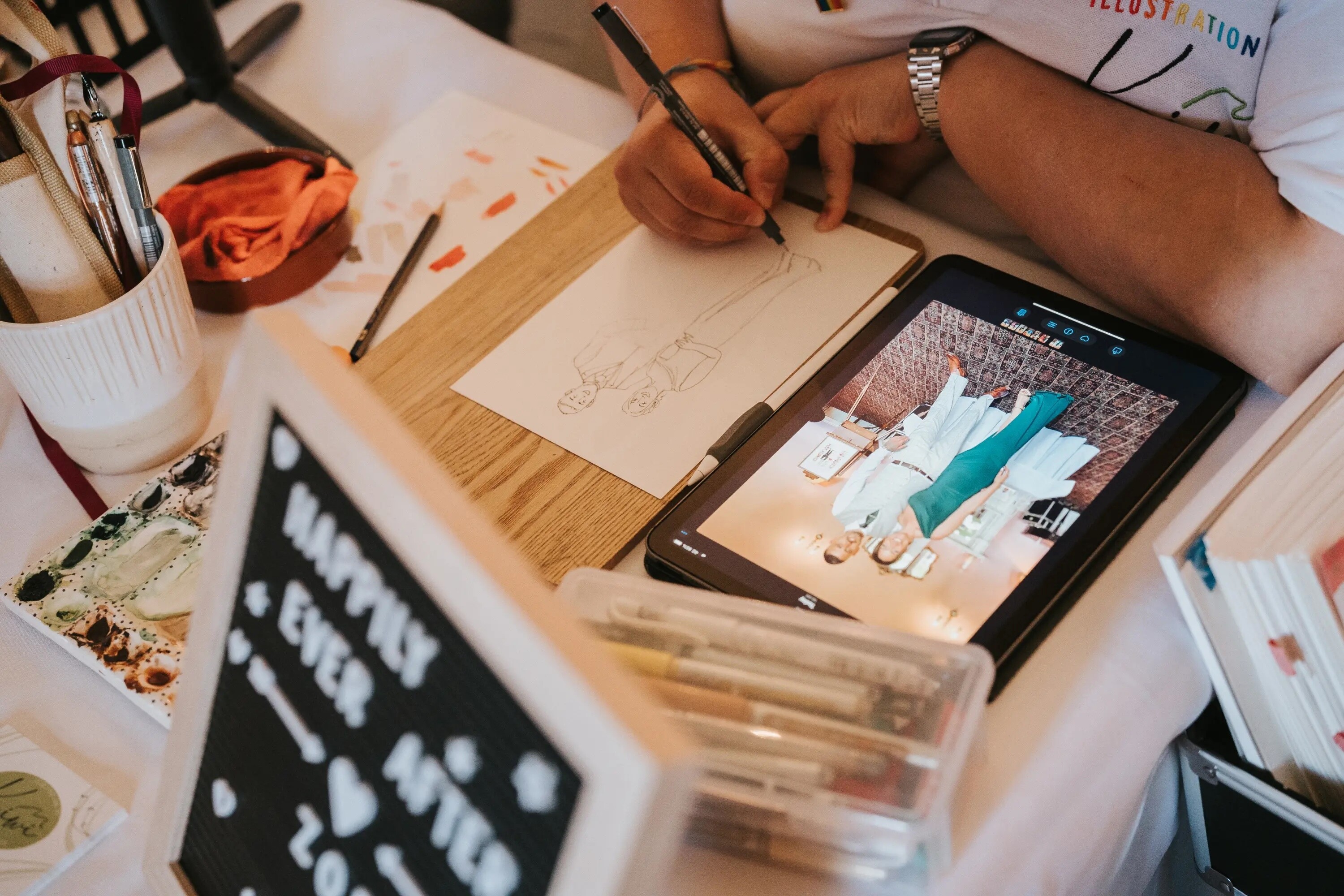
Every wedding supplier brings a different approach, personality and level of experience to the wedding planning process, which is why we recommend all couples spend time researching who feels right for them beyond just pricing or style.
Some couples prioritise photographers who regularly showcase diverse weddings, while others look for celebrants, stylists or entertainers who communicate confidently and naturally without relying on traditional wedding assumptions. Taking time to research suppliers, explore their work and have early conversations can also help couples feel more confident about who they choose to be part of their wedding.
Questions to Ask Wedding Suppliers
- Have you worked with LGBTQIA+ couples before?
- How do you approach inclusive language during planning?
- Are your packages gender-neutral?
- Can we see examples of other same-sex or LGBTQIA+ weddings you have worked on?
- How do you adapt posing, styling or ceremony structure for different couples?
- Are you happy to use chosen names and pronouns throughout the process?
For photographers and videographers in particular, many couples also look for portfolios that naturally reflect a range of identities, wedding styles and couple dynamics.
Seeing real LGBTQ+ couples featured naturally in galleries and portfolios can also help make the planning process feel more relatable and reassuring. You can explore our real weddings for inspiration, ideas and examples of how different venues and suppliers work with a wide range of wedding styles and celebrations.
Using Reviews When Researching Suppliers
Reviews can often give a more personal insight into what it is actually like to work with a venue or supplier beyond what you see in a portfolio or on social media.
Leaving a review for your wedding venue or supplier can also help future couples make more informed decisions by sharing honest feedback and real experiences beyond photos, pricing and portfolios alone.
Wedding Attire Without Traditional Expectations

Wedding fashion has become far more flexible in recent years, and many couples are choosing outfits based on personal style rather than traditional expectations.
That could mean:
- two suits
- two dresses
- jumpsuits
- tailored separates
- coordinated colour palettes
- completely different styles
- non-binary or androgynous fashion choices
Some couples choose matching looks, while others intentionally create contrast between their outfits.
If you are shopping for wedding attire, it can help to research wedding dresses and suits beforehand to ensure they feel comfortable and inclusive.
Managing Guest Lists, Family Dynamics and Chosen Family
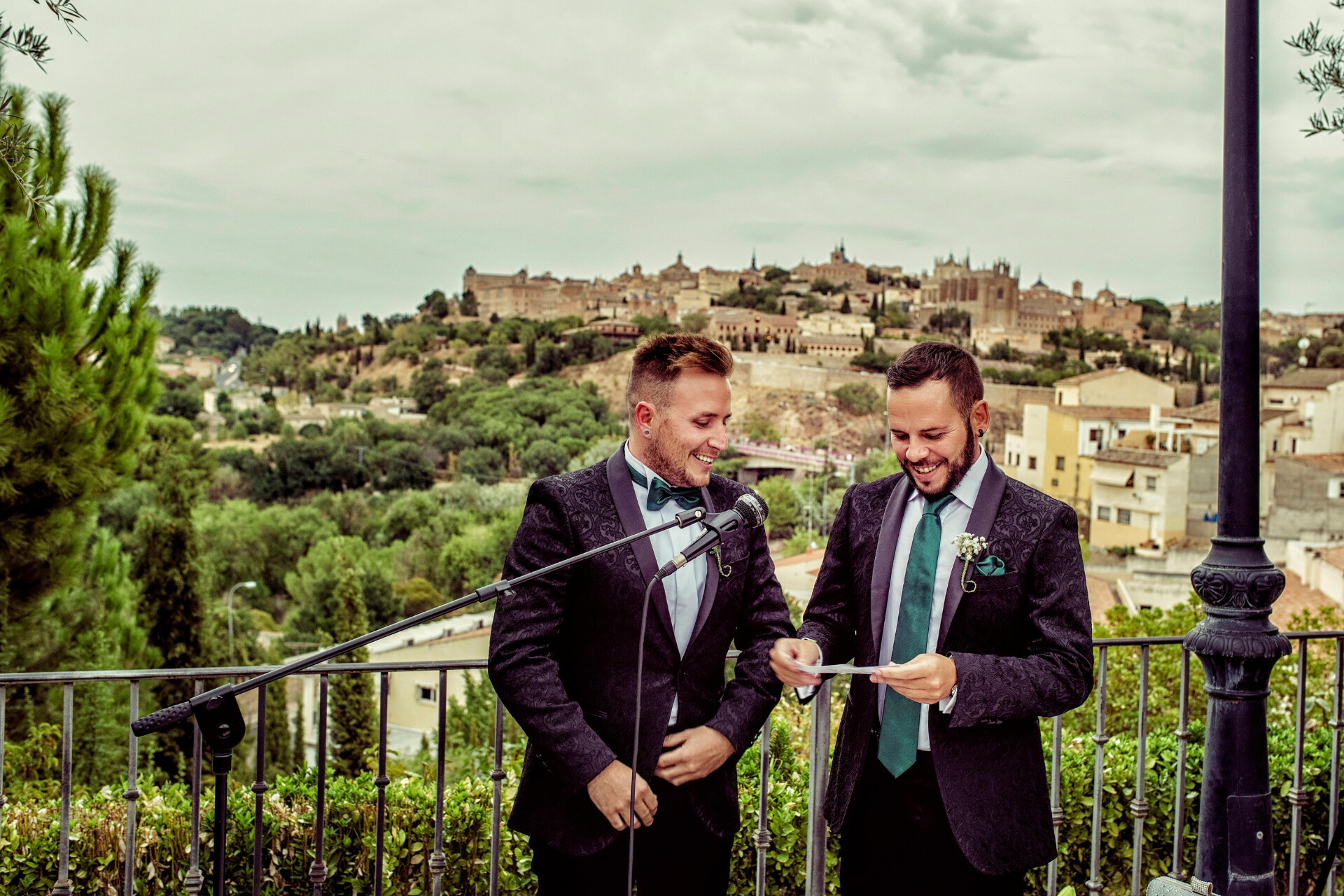
Guest lists can be one of the most emotionally complicated parts of wedding planning. While some people experience complete support from friends and family, others may need to navigate difficult conversations, strained relationships or questions around who should be included in the celebration.
Chosen family also plays an important role in many LGBTQ+ weddings. Some couples include close friends, mentors or community members in roles traditionally associated with relatives.
There is no right or wrong way to structure your guest list. The priority should be creating an environment where you feel comfortable, supported and safe.
Some couples choose to:
- keep numbers smaller
- avoid traditional seating arrangements
- include pronouns on place cards
- use gender-neutral language on invitations
- rethink wedding party roles entirely.
Our wedding guest list guide can help with the practical side of balancing numbers, budgets and venue capacity.
Budgeting for a Same-Sex Wedding

Most wedding costs are similar regardless of the couple getting married, but some couples may approach budgeting slightly differently depending on the style of wedding they are planning.
For example:
- both partners may want professional hair and makeup
- there may be two dresses or both outfits may require tailoring
- couples may prioritise photography or celebrant services differently
- custom ceremonies and styling can increase costs.
Some couples also choose destination weddings or smaller celebrations for personal or family reasons.
The most important thing is building a budget around your actual priorities rather than assumptions about what a wedding “should” include.
Our wedding budgeting guide includes practical advice and an essential downloadable spreadsheet to help track costs throughout the planning process.
Legal Considerations for Same-Sex Couples

Most legal wedding processes are now the same for all couples in the UK, including giving notice of marriage and registering your ceremony.
However, there are still some additional considerations that may apply depending on your circumstances.
These can include:
- surname changes
- international recognition of your marriage
- passport and documentation updates
- immigration or visa considerations
- parental rights and legal paperwork
- deciding between marriage and civil partnership
If you are planning a legally recognised ceremony, you will also need to give notice of marriage within the required timeframe for your area. Couples planning destination weddings or navigating international citizenship considerations may also want to check how marriage laws and legal recognition differ depending on where the wedding is taking place.
Some couples choose to discuss legal agreements such as prenups before getting married, particularly where finances, property or business ownership are involved. As laws and guidance can change over time, it is always best to check the latest official government information or seek professional legal advice where needed.
Name Changes and Modern Wedding Traditions
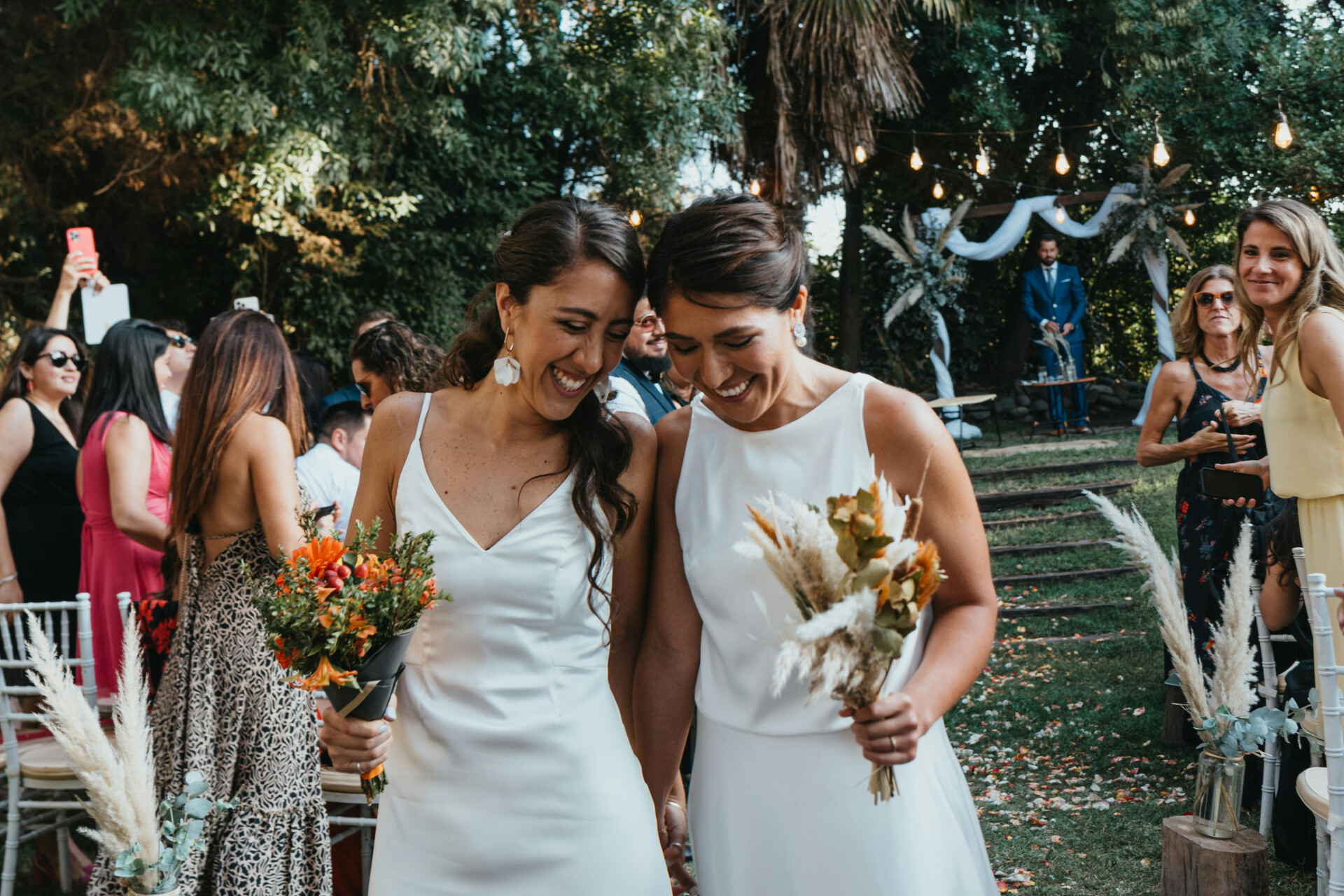
Deciding whether to change your name after getting married can sometimes feel less straightforward for same-sex couples, particularly when many traditional wedding conventions were originally built around bride-and-groom expectations.
While some couples choose to keep their existing surnames, others may decide to share one surname, double-barrel their names or create a blended surname together. There is no right or wrong approach, and for many people the decision is more about what feels practical, personal or meaningful to them as a couple.
If you are planning to change your name after marriage, it is also worth thinking about how this may affect passports, bank accounts, work records and other legal documents after the wedding.
Visiting Wedding Fairs as an LGBTQ+ Couple

Visiting wedding fairs in the UK can be a useful way to meet venues and suppliers in person, compare styles and ask questions face-to-face before booking.
For many couples, fairs can also help give a better sense of how inclusive and comfortable suppliers feel in real conversations.
When attending a wedding fair, it can help to:
- observe how suppliers speak to couples
- look for inclusive marketing materials
- ask direct questions about experience and flexibility
- discuss ceremony ideas and traditions openly
- see whether businesses naturally avoid assumptions around gender roles
Many wedding fairs are becoming increasingly inclusive, and more suppliers are actively reviewing how they present themselves to couples of all identities and backgrounds.
Finding Inclusive Wedding Inspiration
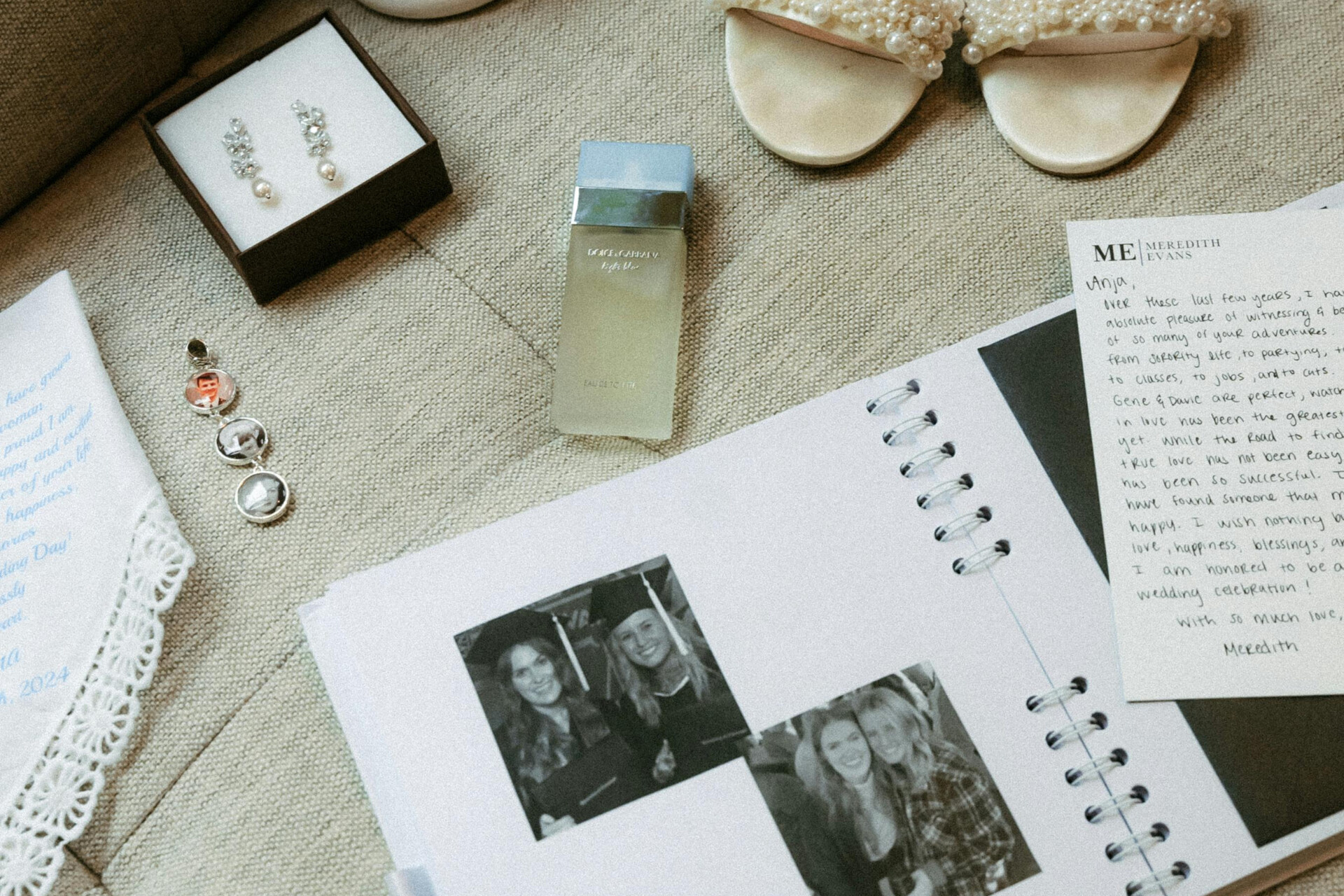
Wedding inspiration should help you feel more confident about your plans - not pressure you into following traditions that do not feel right for you.
One of the challenges many LGBTQ+ couples still face is finding representation that feels realistic and relevant to their relationship, identities or personal style.
As more venues, photographers and suppliers showcase diverse weddings, it is becoming easier to find inspiration that reflects a wider range of couples and celebrations.
When researching ideas, try focusing less on trends and more on:
- what feels authentic to you
- how you want your guests to experience the day
- which traditions actually matter to you
- what will make you feel comfortable and represented
There is no single version of what a same-sex wedding should look like.
Planning With Confidence

Planning a wedding as a same-sex or LGBTQ+ couple should not mean having to second-guess whether you will feel welcome throughout the process.
At Guides for Brides, we are continuing to expand our LGBTQ+ wedding content, supplier network and inclusive planning tools so couples can discover venues, suppliers, advice and inspiration with greater confidence.
Every couple approaches wedding planning differently, and there is no single way a same-sex wedding should look or feel. We hope this guide helps our couples feel supported during their wedding planning process, and discover people and spaces that genuinely feel right for them.