

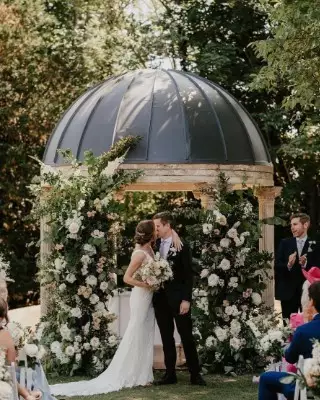
Choosing a wedding florist is about far more than picking flowers you like. Your florist plays a key role in shaping how your wedding looks and feels, from personal flowers and ceremony arrangements to set-up, styling and logistics on the day itself.
This guide explains how to choose the right wedding florist for your big day, what to expect from the process, and the questions worth asking before you book. Whether you already have a clear vision or are still working out what you want, understanding how florists work can help you feel more confident as you plan.
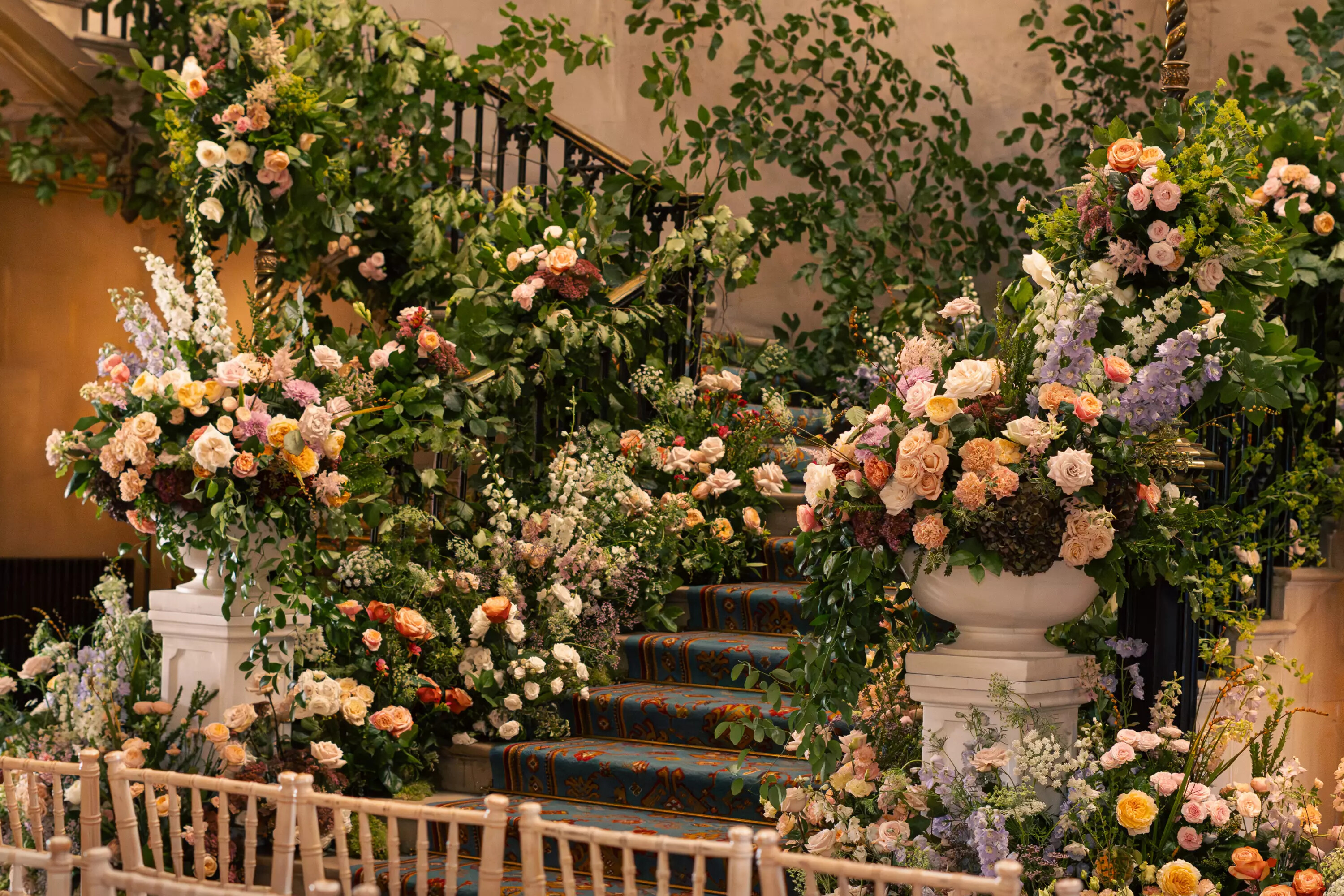
What does a wedding florist actually do?
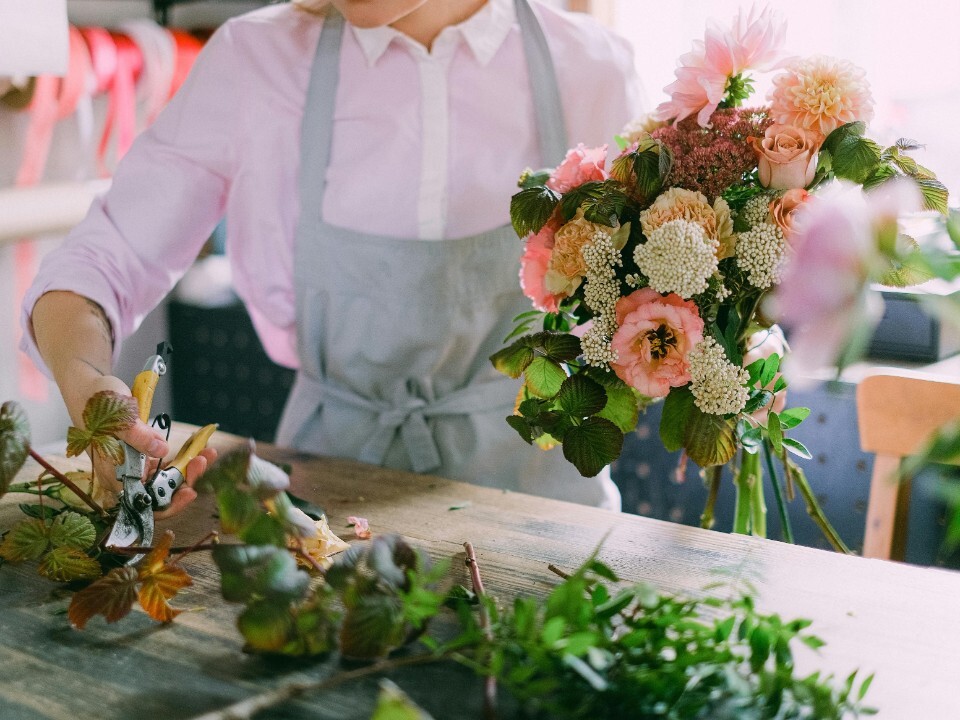
A wedding florist's role goes well beyond arranging bridal bouquets. In most cases, they will:
- Help translate your ideas into a cohesive floral design
- Advise on flower choices based on season, style and budget
- Source flowers and foliage
- Create and prepare arrangements ahead of the wedding
- Deliver, install and style flowers on the day
- Return to collect hired items where required.
Because florists are involved in both design and logistics, choosing someone whose approach suits your wedding and planning style is just as important as liking their work.
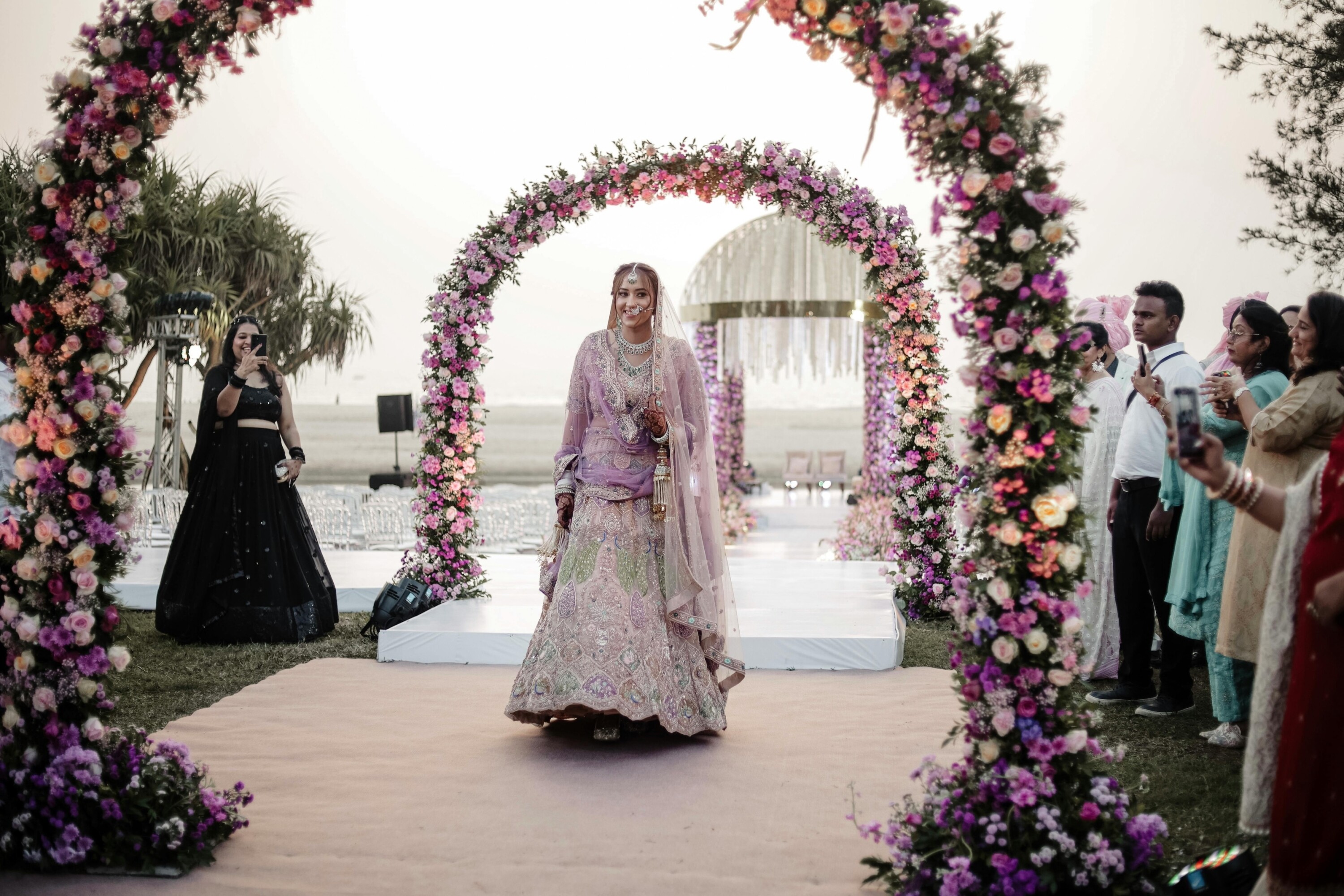
When should you book a wedding florist?
Many couples book their wedding florist around 12-18 months before the wedding, particularly for peak seasons such as late spring and summer. Florists can book up quickly, especially those offering full-service styling and on-the-day set-up.
Booking earlier can be helpful if:
- You're planning a weekend wedding during peak season
- You want larger installations or statement designs
- Your venue has specific access or set-up requirements.
That said, availability and lead times can vary. For simpler arrangements or off-peak dates, it may still be possible to book later. A wedding florist will be able to advise on what's realistic for your plans.
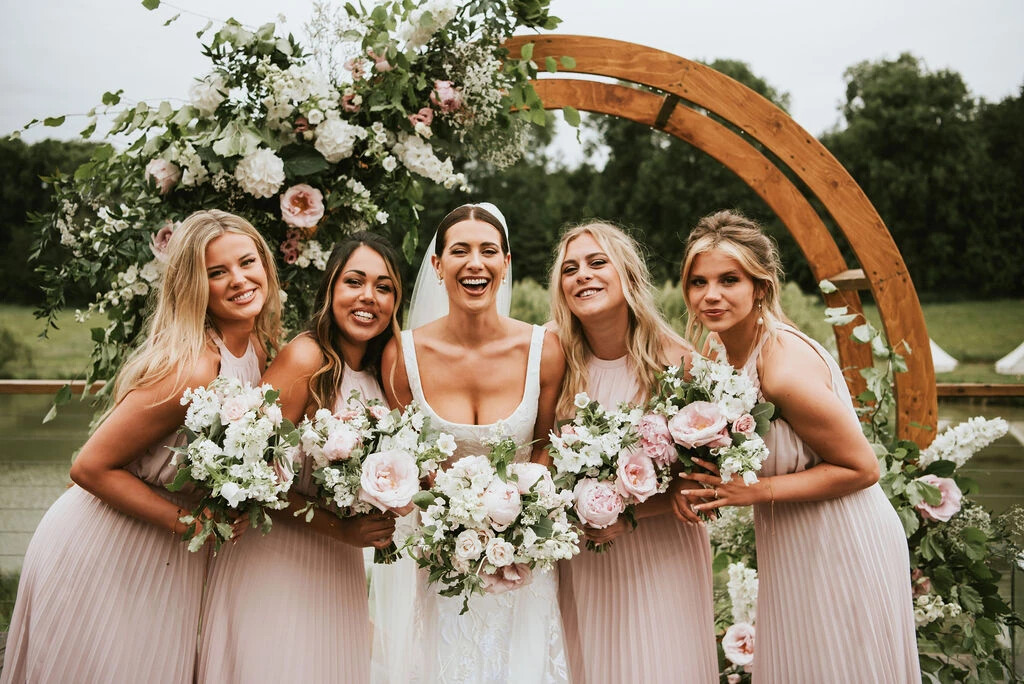
How to choose the right wedding florist for your wedding
There's no single "best" wedding florist style, but there is a right fit for your wedding. When narrowing down your options, it helps to look beyond individual arrangements and consider the bigger picture.
Style and aesthetic
Look at a florist's portfolio as a whole. Do their designs feel in line with the style you're planning, whether that's relaxed and seasonal, classic and elegant, or more contemporary?
Experience and approach
Some wedding florists specialise in full-scale venue styling, while others focus more on personal flowers and smaller weddings. Make sure their experience aligns with what you need.
Communication and collaboration
A good florist should listen carefully, explain options clearly and help you refine your ideas. You should feel comfortable asking questions and discussing priorities.
Practical fit
Consider whether they're familiar with your type of wedding venue, the scale of your wedding, and the level of involvement you're looking for.
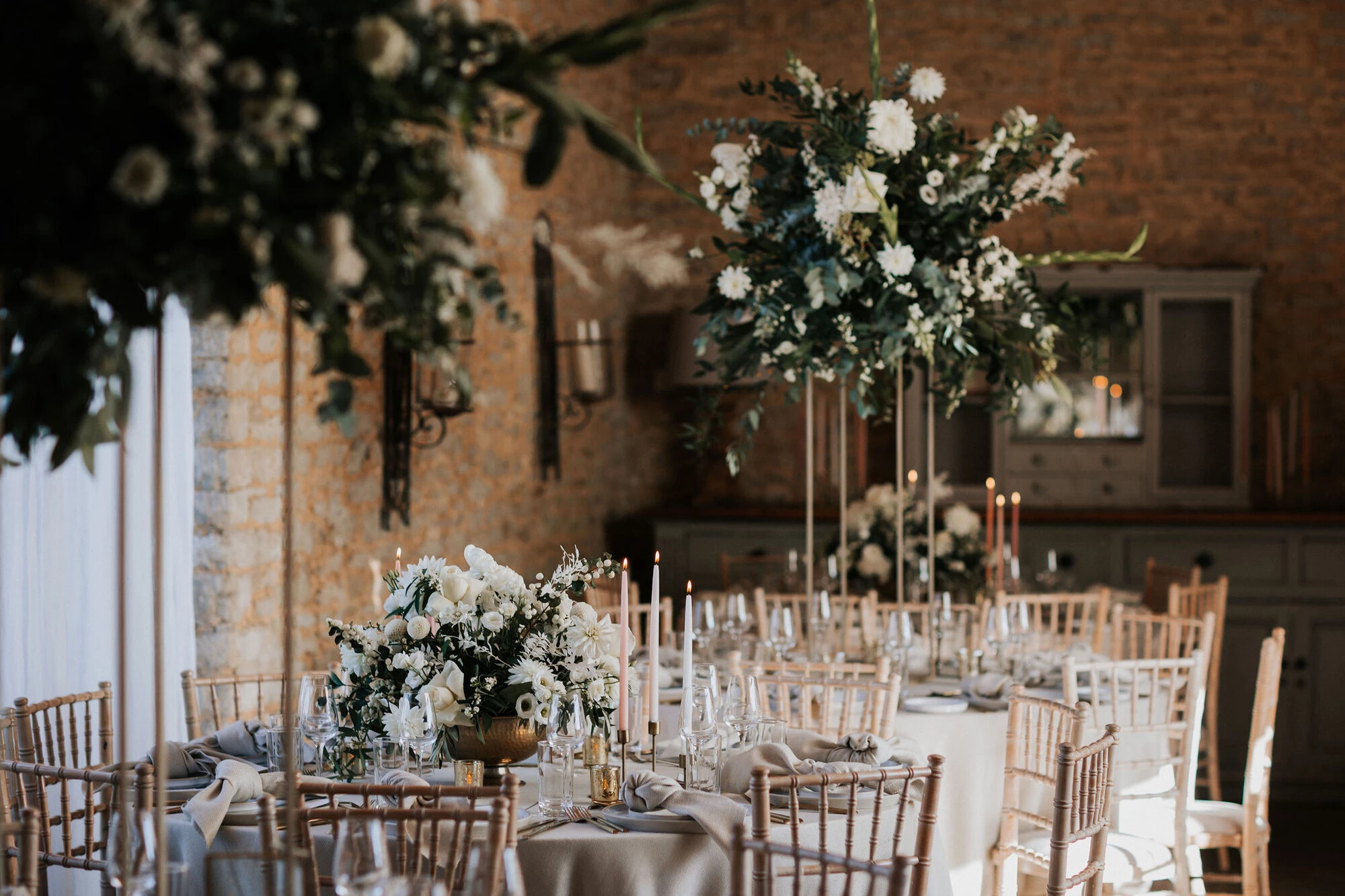
What to ask a potential wedding florist
Asking the right questions early on can help you compare florists more meaningfully and avoid misunderstandings later.
Availability and experience
- Are you available on our wedding date?
- Have you worked at our venue, or similar venues, before?
Style and design
- How would you describe your design style?
- How do you approach weddings where the couple doesn't have a fixed flower list yet?
Budget and pricing
- How do you build a quote for wedding flowers?
- What information do you need before providing an estimate?
Flowers and seasonality
- How do you advise on seasonal flower choices?
- What happens if a specific flower isn't available closer to the date?
Set-up and logistics
- Do you handle delivery and on-the-day set-up?
- Will you return to move or repurpose flowers during the day if needed?
Changes and contingencies
- How do you handle changes to numbers or plans?
- What happens if timings or layouts change at short notice?
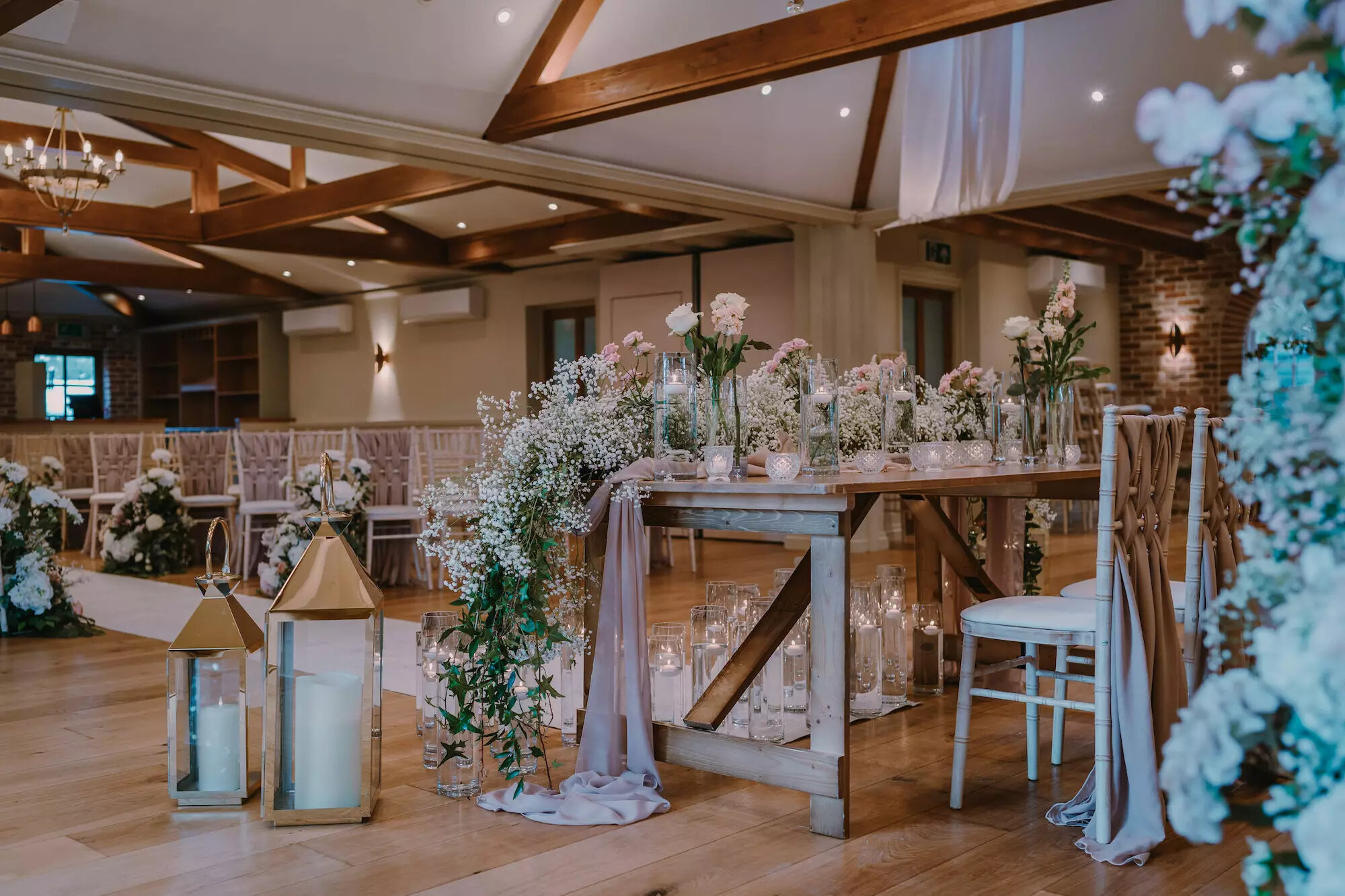
Understanding wedding flower pricing
Wedding flower pricing can vary significantly, which is why quotes aren't always easy to compare. Costs are influenced by factors such as:
- The number and size of arrangements
- Flower choices and seasonality
- Complexity of designs
- Set-up, transport and staffing requirements.
Rather than focusing on individual stem prices, it's usually more helpful to discuss priorities and overall budget. For a broader overview of how wedding flower budgets work, our wedding flowers planning guide explains this in more detail.
Signs a wedding florist is right for you
Beyond experience and style, there are some simple signs that a florist is a good fit:
- They listen and ask thoughtful questions
- They explain options without pressure
- They're honest about what's achievable
- They respect your budget and priorities
- You feel reassured after speaking with them.
Trust and communication matter just as much as aesthetics.
Final steps before booking
Before confirming your florist, make sure you're clear on:
- What's included in the quote
- Payment schedules and deposits
- How and when final details are confirmed
- What support is provided on the wedding day.
Taking the time to understand these details upfront can help avoid stress later on.
Planning your wedding flowers
Choosing a florist is one part of your wider wedding flower plan. If you're still working through budgets, styles or timing, our wedding flowers guide covers how everything fits together and can help you prepare for conversations with potential florists.
