

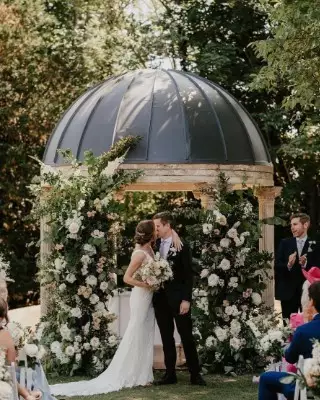
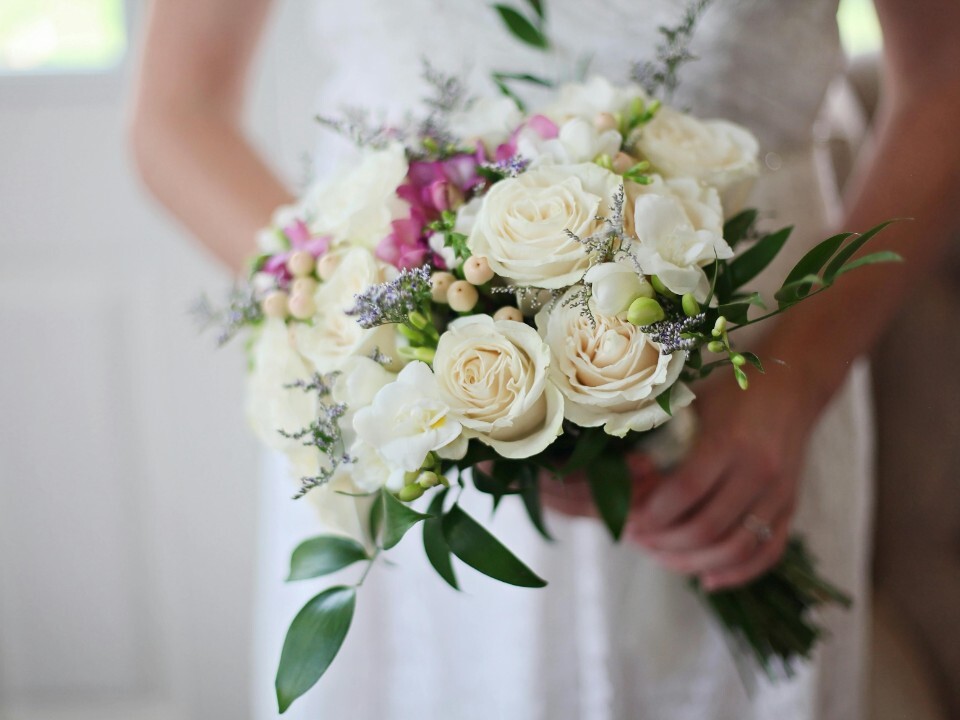

In the UK, flower availability naturally changes throughout the year, shaped by weather, growing conditions and the rhythm of each season. When planning your wedding flowers, it often becomes much simpler when you start with the season you're getting married in.
Thinking about flowers in this way can help set realistic expectations early on, particularly around colour palettes, availability and the overall look of your wedding day. It can also make decision-making feel more flexible, as you're working with what's naturally at its best rather than trying to fit specific flowers into a fixed plan.
This guide looks at how wedding flowers typically vary across the year in the UK, with examples of flowers that are commonly available in each season. Of course, availability can change from year to year, so it's intended as a general reference rather than a fixed list. Your wedding florist will be best placed to advise on what's likely to be available around your date and how seasonal choices can work with your overall style.
Why choose British seasonal wedding flowers?
There are a number of reasons to consider using British grown flowers if you're planning your wedding in the UK.
Flowers that suit the time of year
British seasonal wedding flowers are often chosen because they naturally suit the time of year. Flowers that are in season tend to be fresher, more reliable and easier to work with, which can make a real difference when planning colour palettes and the overall look of the day.
Greater flexibility in style and design
Seasonal choices also give couples more flexibility. Rather than planning around very specific flower varieties, many focus on the style and atmosphere they want to create, allowing flower selections to evolve based on what is available at the time of year. This often results in designs that feel more natural and in keeping with the season.
Cost considerations
For some couples, leaning more heavily towards British-grown flowers when they are in season can also help manage costs. Using what is readily available locally may reduce the need for imported blooms or specialist growing methods, although this will vary depending on the time of year and the flowers chosen. Being open with your florist about your budget allows them to suggest seasonal options that make the most of what's available.
Sustainability and availability
Using British-grown flowers isn't always practical outside peak growing months. In most cases, prioritising seasonality over origin leads to better availability and more consistent results. For couples who value sustainability, choosing seasonal British flowers where possible can also be a thoughtful option, as it may reduce the need for long-distance transport or intensive growing methods.
Wedding flowers by season in the UK
In the UK, wedding flower availability shifts with the seasons, shaping colour palettes, textures and overall style. The sections below outline the types of flowers commonly available at different points in the year, as a helpful starting point for planning.
Spring wedding flowers (March, April & May)
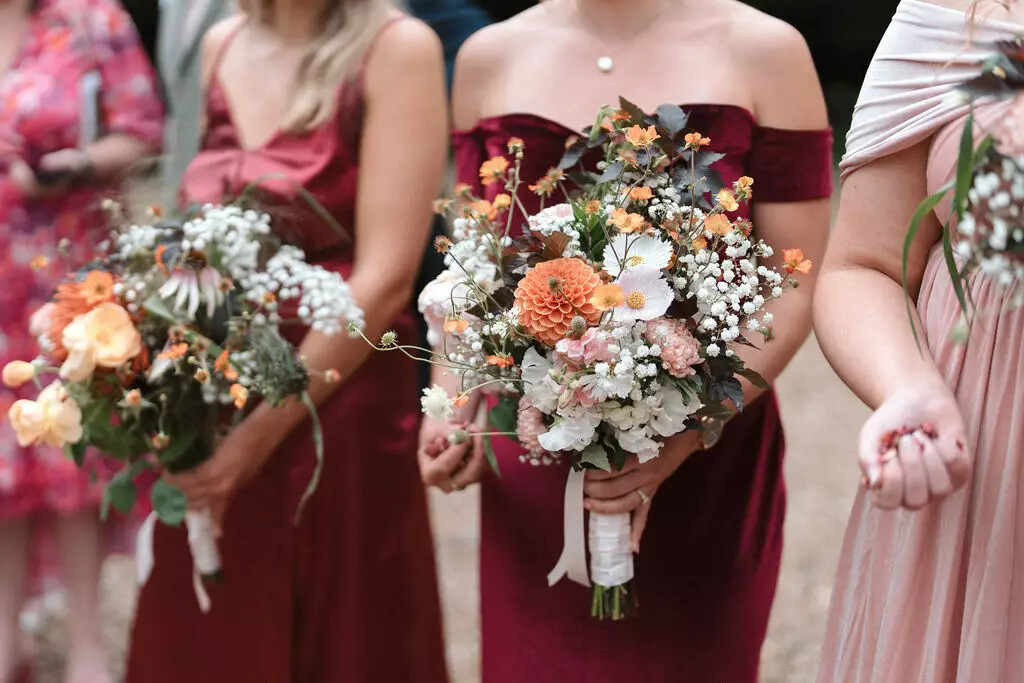
Spring weddings are often associated with lighter colours and softer, more delicate styles. Early spring weddings in March and April can have more limited availability of British flowers, with fewer varieties at their peak, but choice tends to increase as the season progresses. By late April and May, a wider range of flowers becomes available, making spring well suited to fresh, natural arrangements that reflect the shift into warmer months.
Common British spring wedding flowers may include:
- Tulips
- Narcissus
- Ranunculus
- Anemones
- Blossom branches.
Summer wedding flowers (June, July & August)
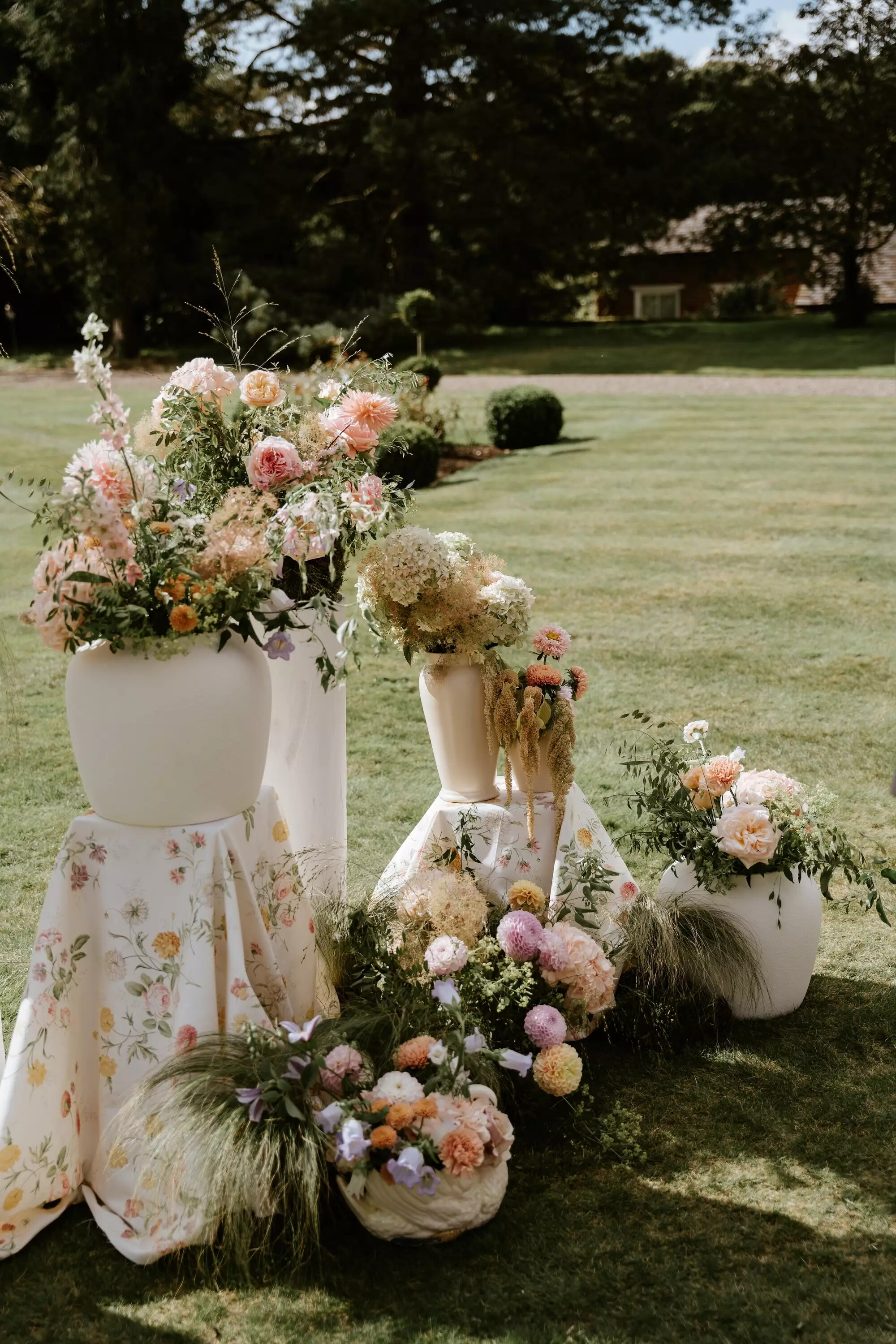
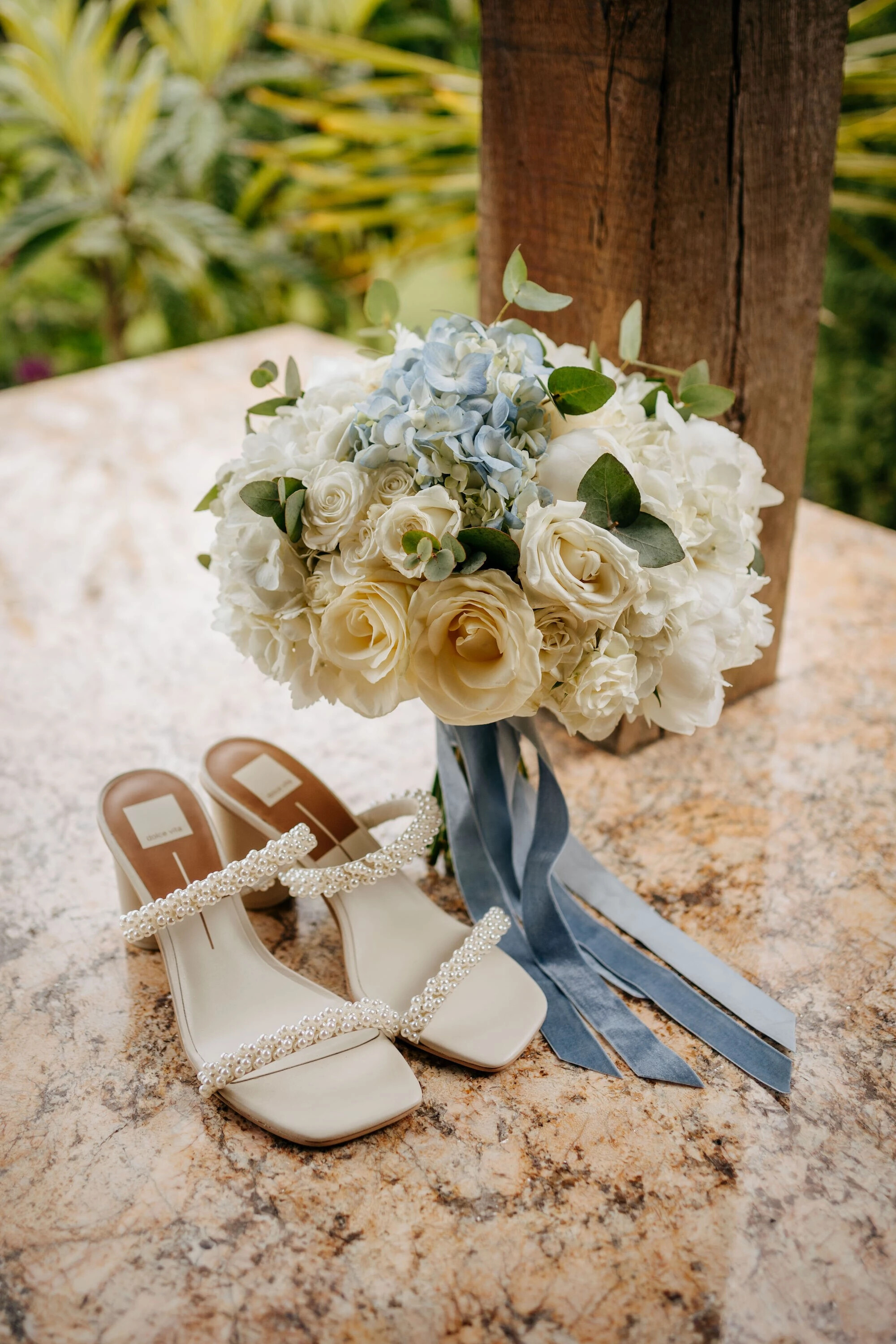
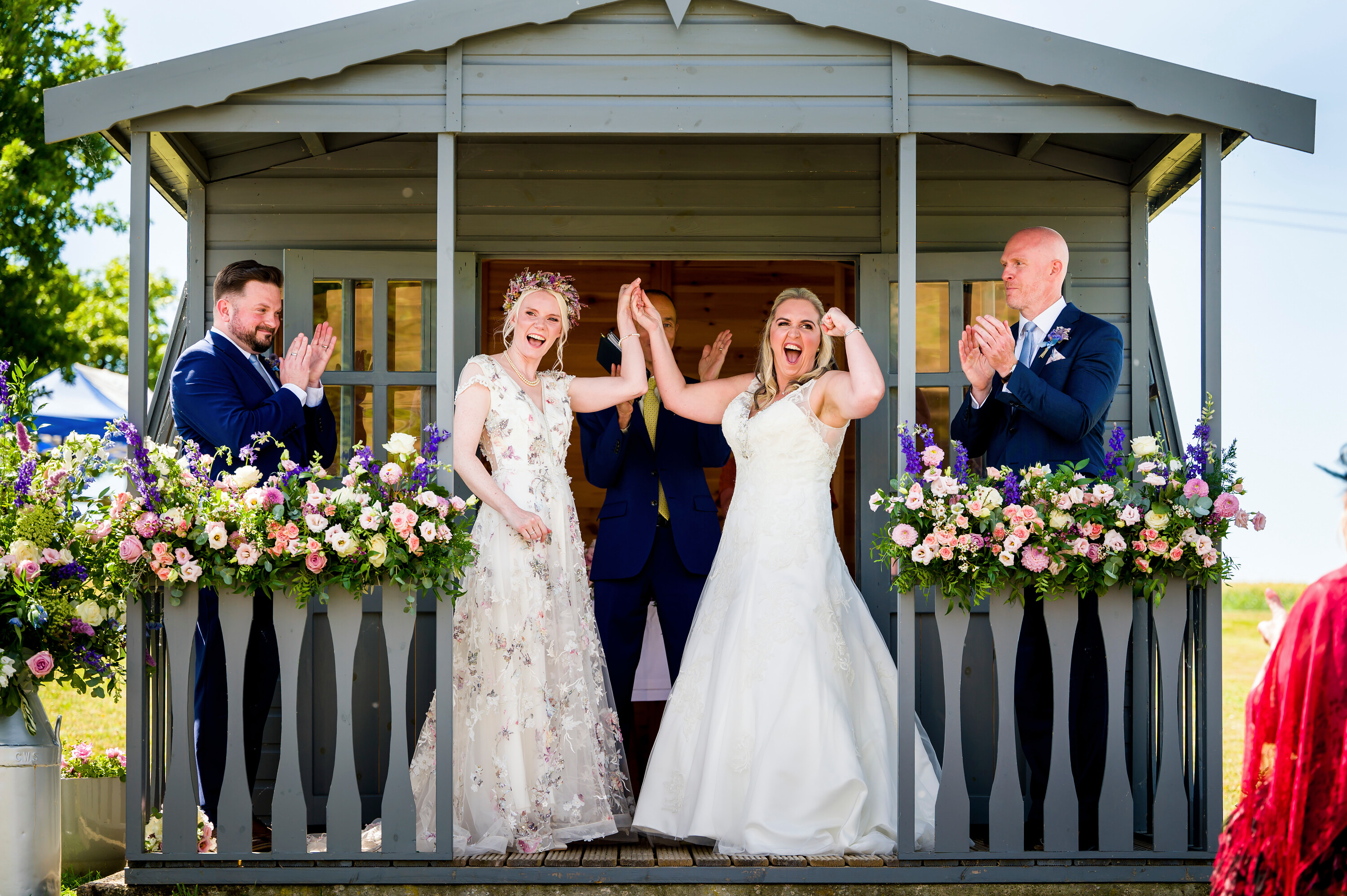
Summer offers the greatest variety of British-grown wedding flowers. Longer days and warmer temperatures allow a wide range of blooms to thrive throughout June, July and August, which often results in brighter colour palettes and fuller arrangements. This makes summer a popular time for statement designs, whether that's generous bouquets, abundant table arrangements or floral features used throughout the venue.
Common British summer wedding flowers may include:
- Roses
- Peonies
- Sweet peas
- Delphiniums
- Dahlias (particularly later in the season).
While availability is generally at its best in the summer, it's still worth bearing in mind that particularly delicate flowers can be affected by heat, especially at outdoor weddings.
Autumn wedding flowers (September, October & November)
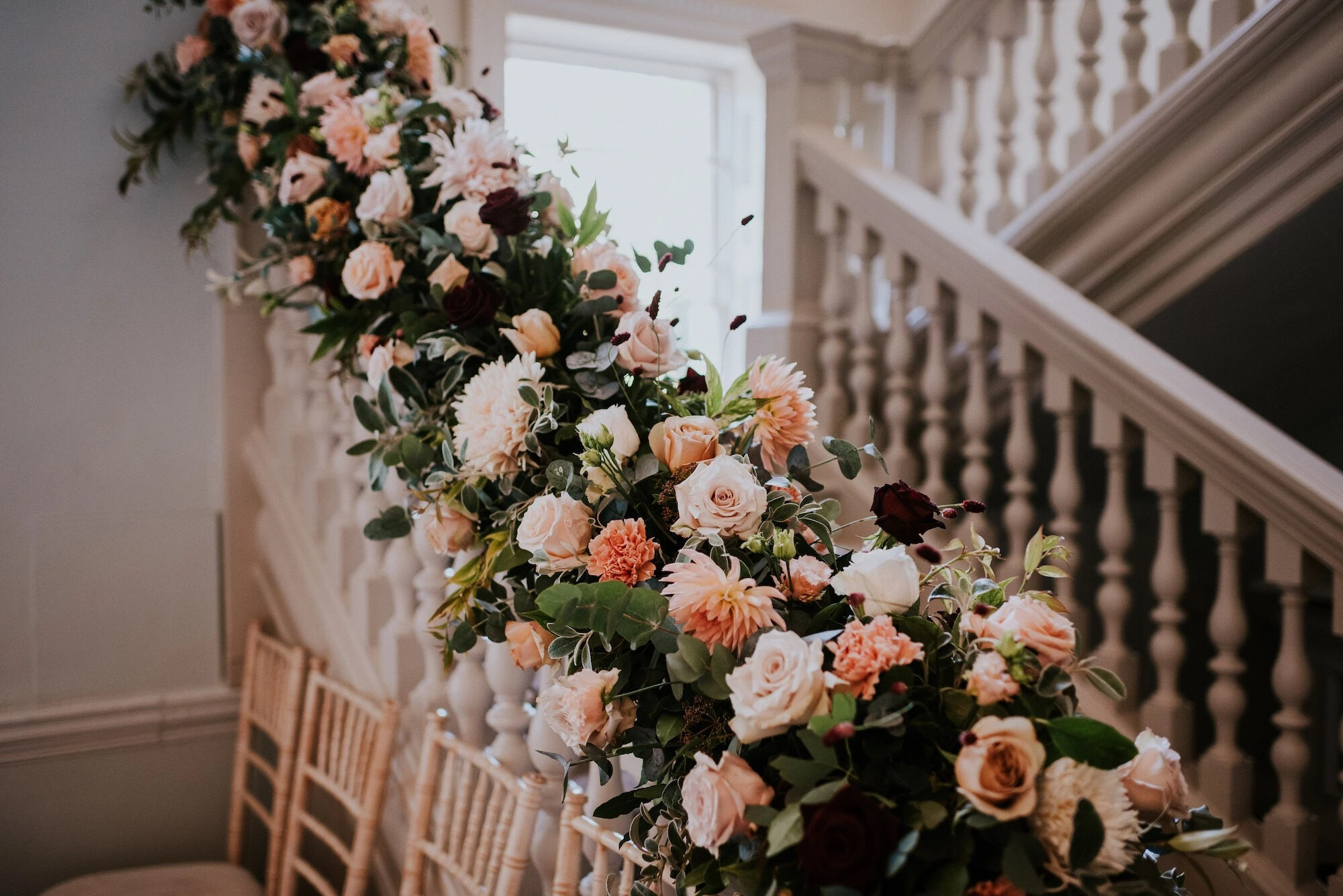
Autumn weddings often feature richer tones and a greater emphasis on texture. September and October are particularly strong months for British-grown flowers, offering a mix of late summer blooms alongside early autumn varieties. This overlap allows for warm colour palettes, layered arrangements and the use of seasonal foliage in November as the season begins to shift.
Common British autumn wedding flowers may include:
- Dahlias
- Chrysanthemums
- Asters
- Sedum
- Heather and berries.
Winter wedding flowers (December, January & February)
For weddings in December, January and February, flower choice is more limited, but strong and considered designs are still very achievable. Winter weddings in the UK often place greater emphasis on structure, foliage and carefully chosen blooms, using contrast, shape and greenery to create impact rather than relying on large quantities of flowers.
Common winter wedding flower options may include:
- Hellebores
- Amaryllis
- Paperwhites
- Evergreen foliage such as pine or fir.
British-grown flowers and imported flowers
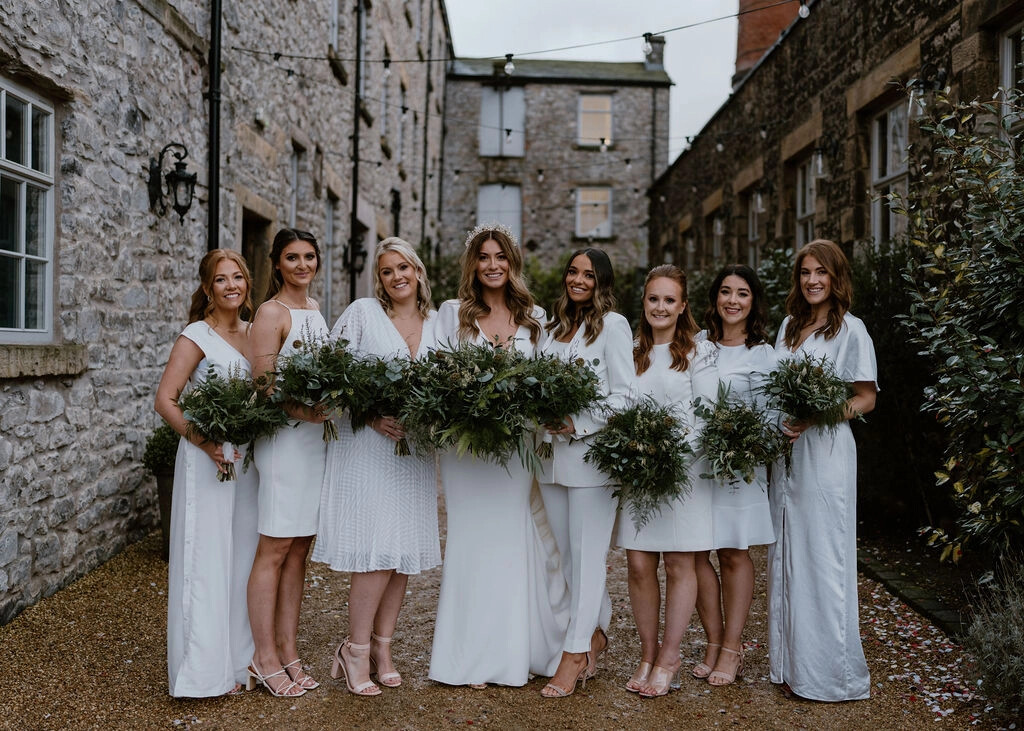
Many couples aim to use British-grown flowers where possible, particularly during late spring and summer. However, availability depends on growing conditions and timing, and some flowers may still need to be imported.
In practice, most weddings use a combination of British-grown and imported flowers. Focusing on seasonality rather than specific flower types allows couples to prioritise what suits the time of year while remaining flexible about sourcing.
Traditional British wedding flowers
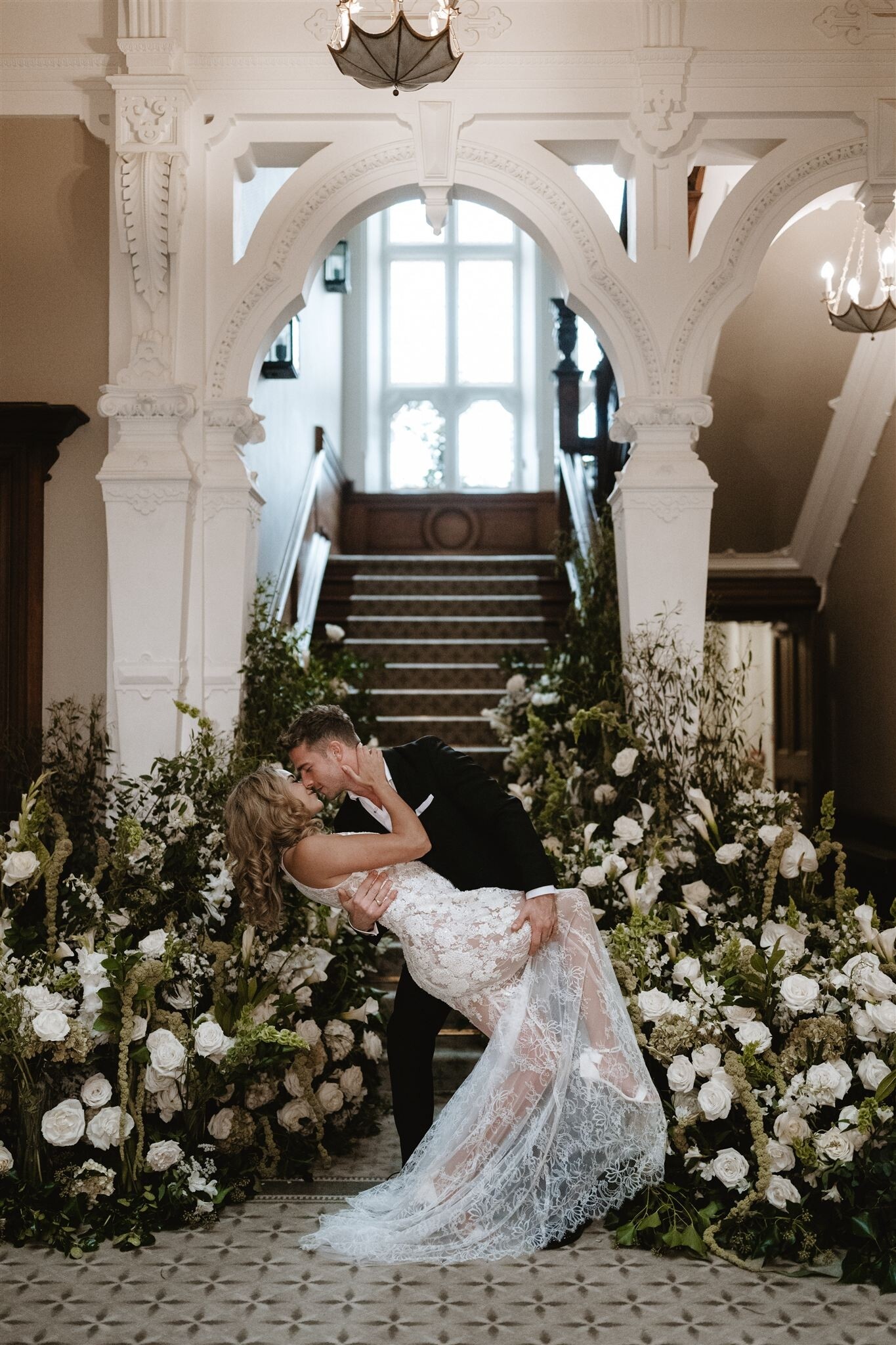
Traditional British wedding flowers are often linked to garden-style arrangements and softer colour palettes. Historically popular choices include:
- Roses
- Herbs and foliage
- Seasonal white or ivory flowers
These styles continue to influence modern weddings, particularly those with a classic or understated look.
Planning your wedding flowers around the seasons
When planning seasonal wedding flowers, flexibility is key. Weather conditions, growing patterns and availability can all vary from year to year, particularly at the beginning and end of each season.
Rather than choosing exact flowers far in advance, many couples focus first on:
- Colour palette
- Overall style
- Level of formality.
Once these elements are clear, seasonal flower choices can be finalised closer to the wedding date. For a broader overview of budgets, styles and planning timelines, see our wedding flowers planning guide. If you're still deciding who to work with, our tips on choosing the right wedding florist can also help guide your next steps.
