


Your wedding bouquet is one of the most personal floral choices you'll make for your big day. It's something you carry through key moments of the day, from walking down the aisle to your photographs, and it's often one of the flower arrangements couples choose to preserve afterwards.
There's no right or wrong when it comes to choosing a bridal bouquet style, but understanding the different shapes and styles available can make decisions feel far more straightforward. This guide explores popular wedding bouquet styles and ideas, helping you feel more confident when discussing options with a wedding florist, and decide what will best suit your wedding style, outfit and setting, as well as how your bouquet sits alongside the rest of your wedding flowers.
Hand-tied wedding bouquets
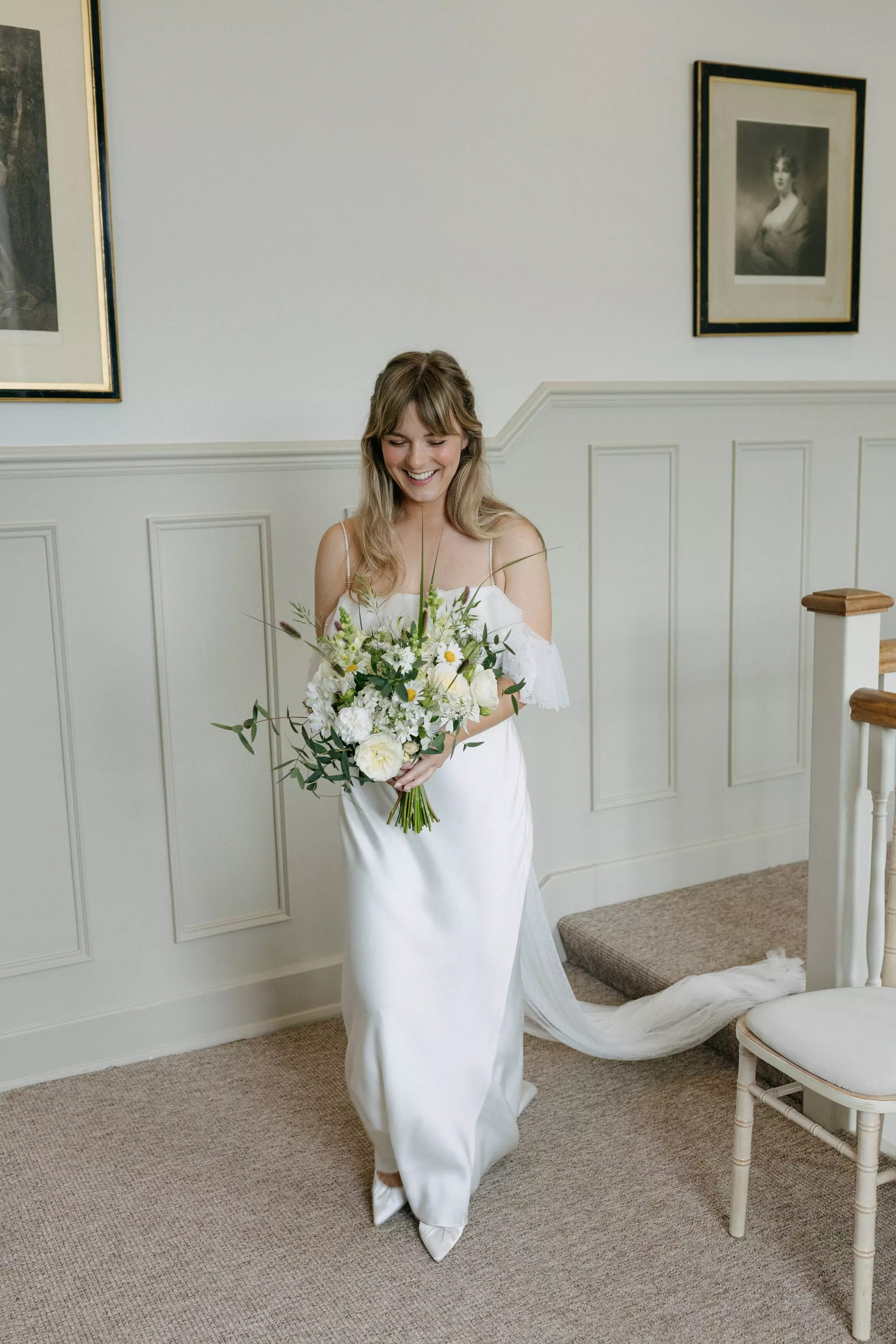
Hand-tied bouquets are one of the most popular choices for modern weddings, largely because they feel natural and unfussy. Designed to look as though the flowers have been gathered and tied together rather than formally arranged, they tend to suit a wide range of weddings.
This style works particularly well for garden, countryside and outdoor weddings, as well as celebrations with a relaxed or romantic feel. Hand-tied bouquets can be loose and informal or slightly more structured, depending on the flowers and foliage used, which makes them very adaptable. This flexibility makes hand-tied bouquets a popular choice when working with seasonal flowers.
They're also comfortable to carry and photograph beautifully, especially when movement and texture are part of the design.
Posy and nosegay bouquets
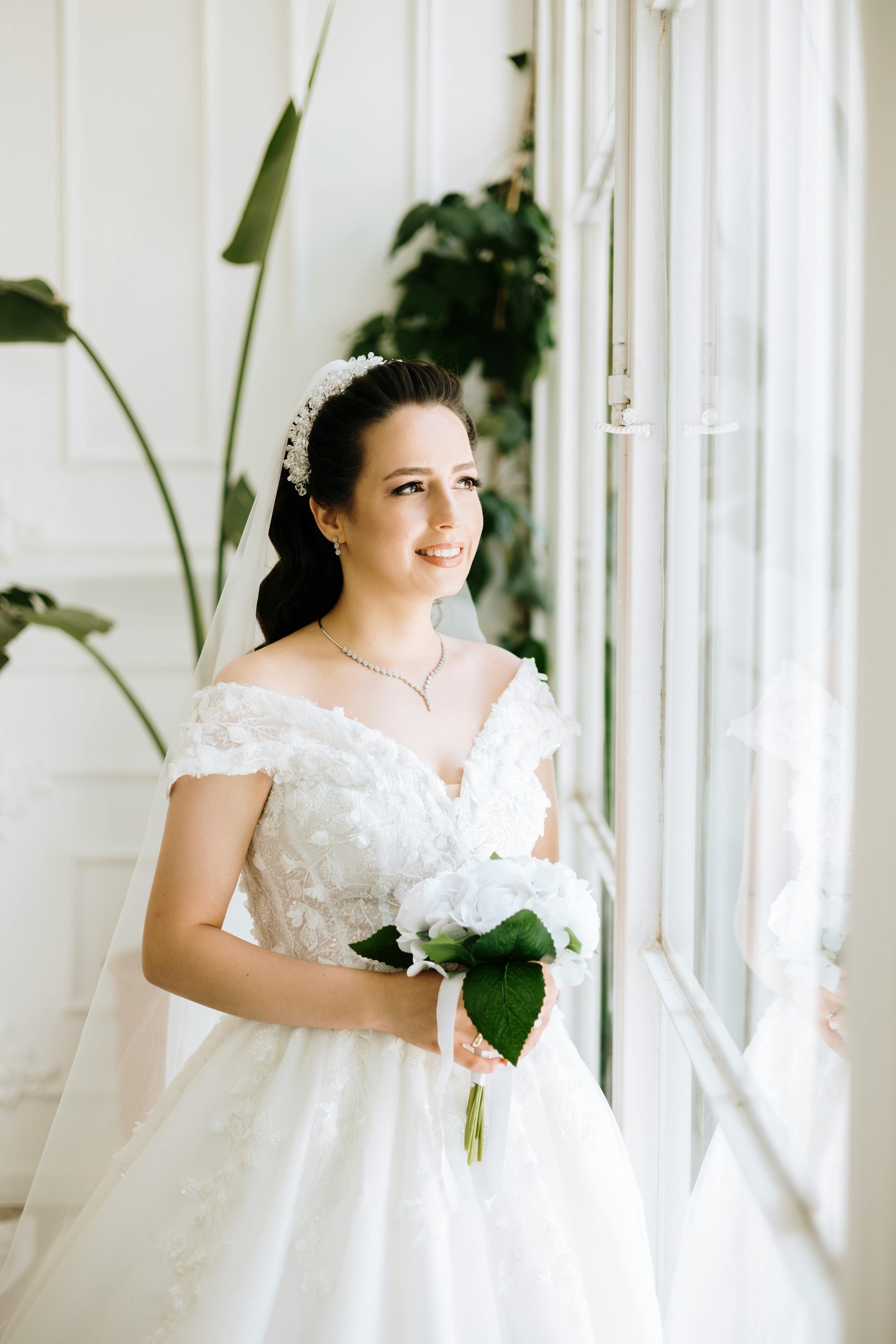
Posy and nosegay bouquets are smaller, more compact arrangements, usually round in shape. They're often chosen for their simplicity and practicality, making them easy to hold throughout the day.
These styles suit classic or traditional weddings particularly well, but they're also a popular choice for bridesmaids or smaller ceremonies where a large bouquet might feel out of place. Because of their size, posy bouquets can feel neat and timeless, especially when paired with more structured dresses.
They're a good option if you want your bouquet to feel considered without drawing too much focus.
Teardrop and cascading wedding bouquets
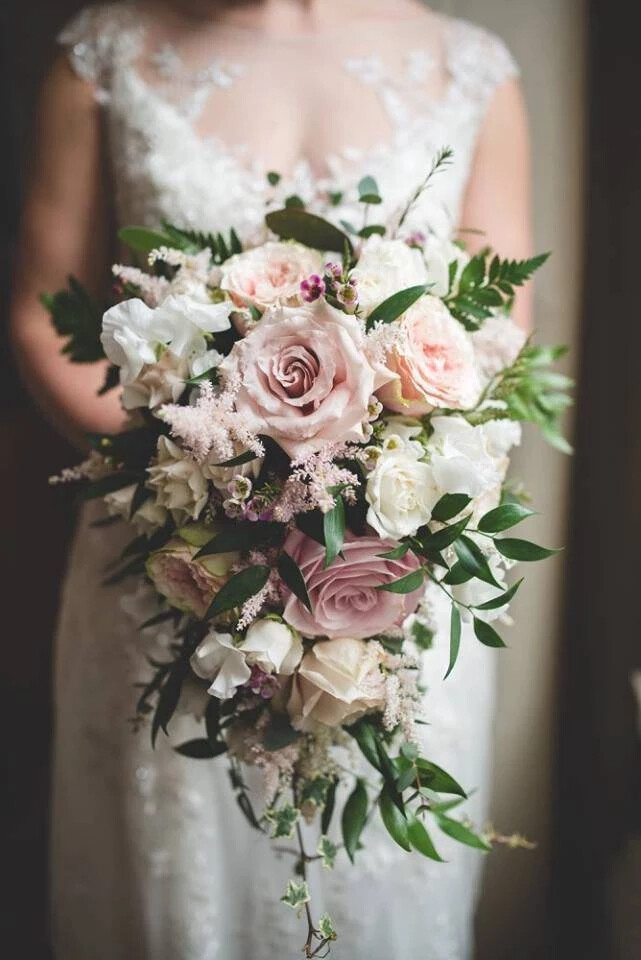
Teardrop bouquets are defined by their tapered, trailing shape, which creates a strong visual line and a sense of movement. Traditionally, this style was quite structured, with flowers carefully wired into a defined outline. Modern teardrop bouquets tend to feel softer and more natural, often using flowing flowers and foliage to create a gentler, more organic look.
This style works particularly well for formal weddings or when paired with a simple dress silhouette, as the bouquet itself adds interest without competing with detailed fabrics or embellishment. Teardrop bouquets feel more directional than rounded styles and are often chosen by couples who want a classic look with a contemporary feel.
Cascading bouquets are very closely related but typically looser in design. Rather than following a clearly defined teardrop shape, flowers and foliage spill more freely downwards, creating a relaxed, romantic effect. This style suits garden-style weddings or settings where a softer, less structured look feels appropriate.
Both styles rely on careful balance and proportion. When designed well, they add drama and movement while still complementing the overall look, rather than overpowering it.
Presentation bouquets
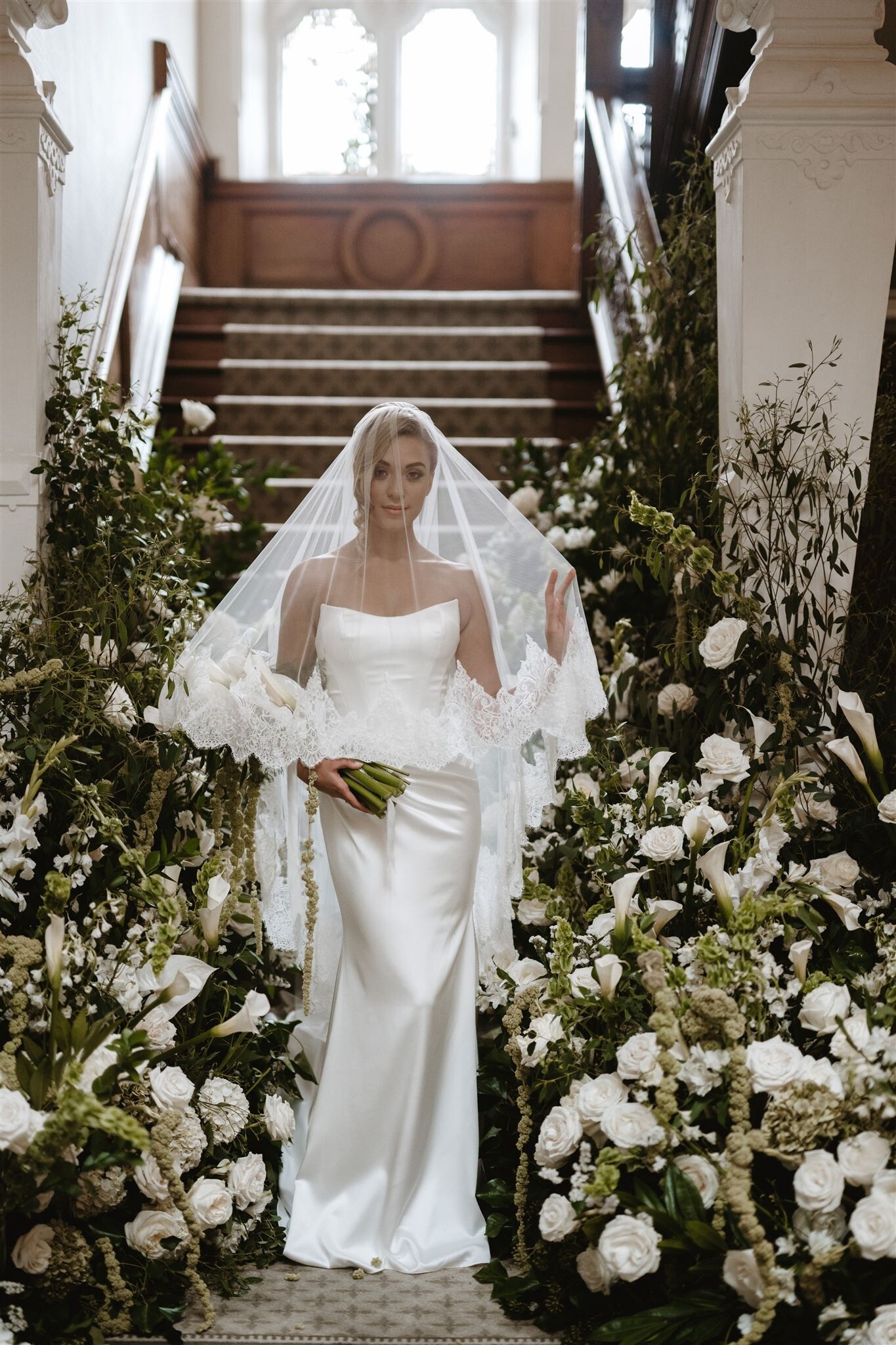
Presentation bouquets are designed to rest along the arm rather than being held upright. They often feature longer stems and bold, statement blooms, giving them a more fashion-led feel.
This style suits modern or minimalist weddings particularly well and works best when paired with clean dress lines and confident styling. Presentation bouquets are less traditional, but when used intentionally, they can feel striking and editorial.
They're often chosen by couples who want something a little different without being overly elaborate.
Crescent and structured bouquets
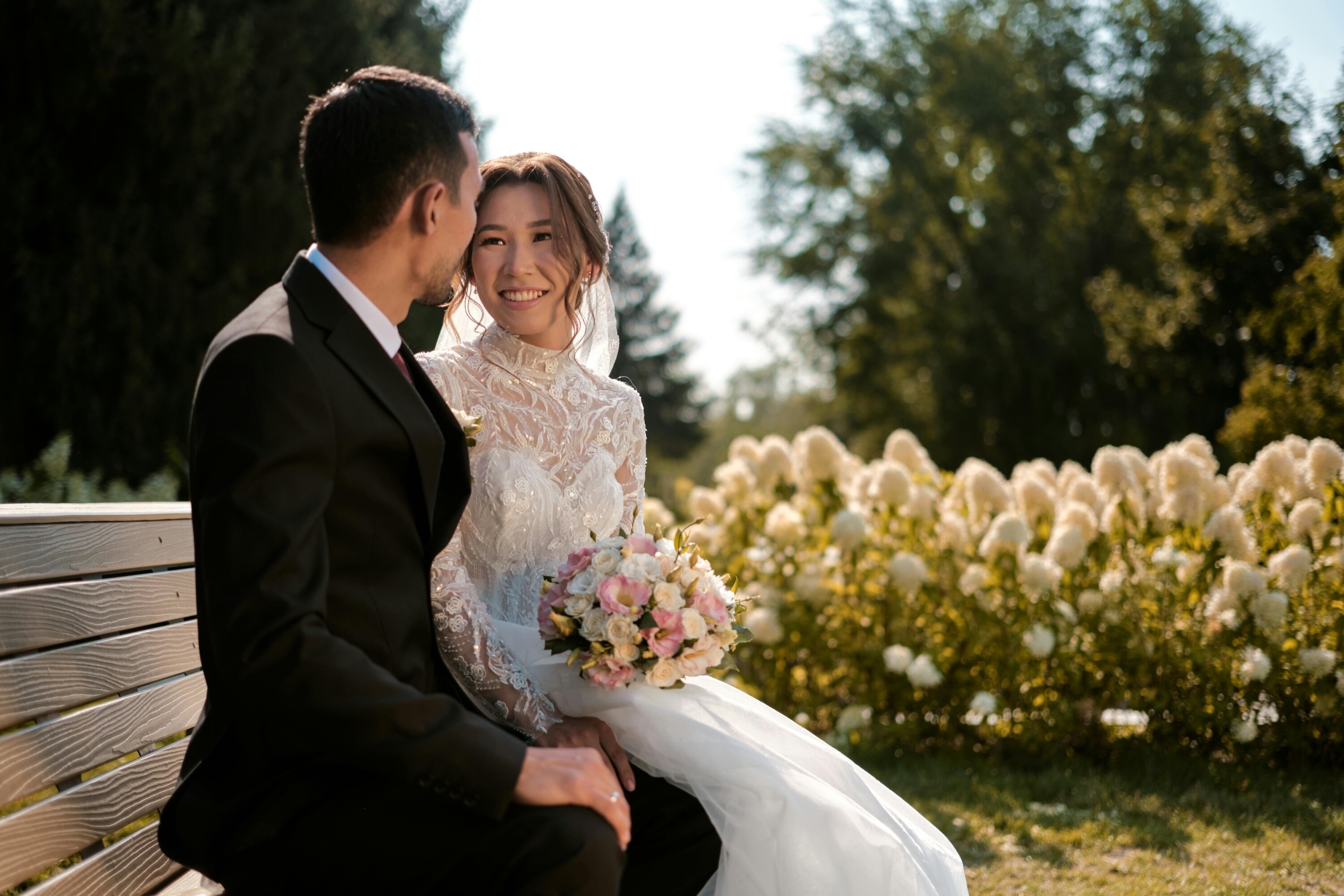
Crescent bouquets feature a curved shape and are usually more structured in their design. They're less commonly seen than hand-tied or posy styles, but they can be very distinctive.
These bouquets tend to suit tailored dresses and fashion-forward weddings, where shape and structure play a bigger role in the overall aesthetic. Because of their form, they're often designed carefully to ensure they sit comfortably and look balanced when held.
They're a good choice if you're drawn to something sculptural and intentional.
Choosing the right bouquet style for your wedding
When deciding on a bouquet style, it helps to think about how it will work alongside the rest of your wedding, rather than viewing it in isolation.
Things to consider include:
- Your dress shape and detailing, as fuller dresses often suit more generous bouquets, while simpler designs work well with streamlined styles
- The scale of your wedding, including venue size and overall styling
- Comfort, particularly if you'll be holding your bouquet for long periods.
Your bouquet should feel like a natural extension of your look, not something you're constantly adjusting or thinking about.
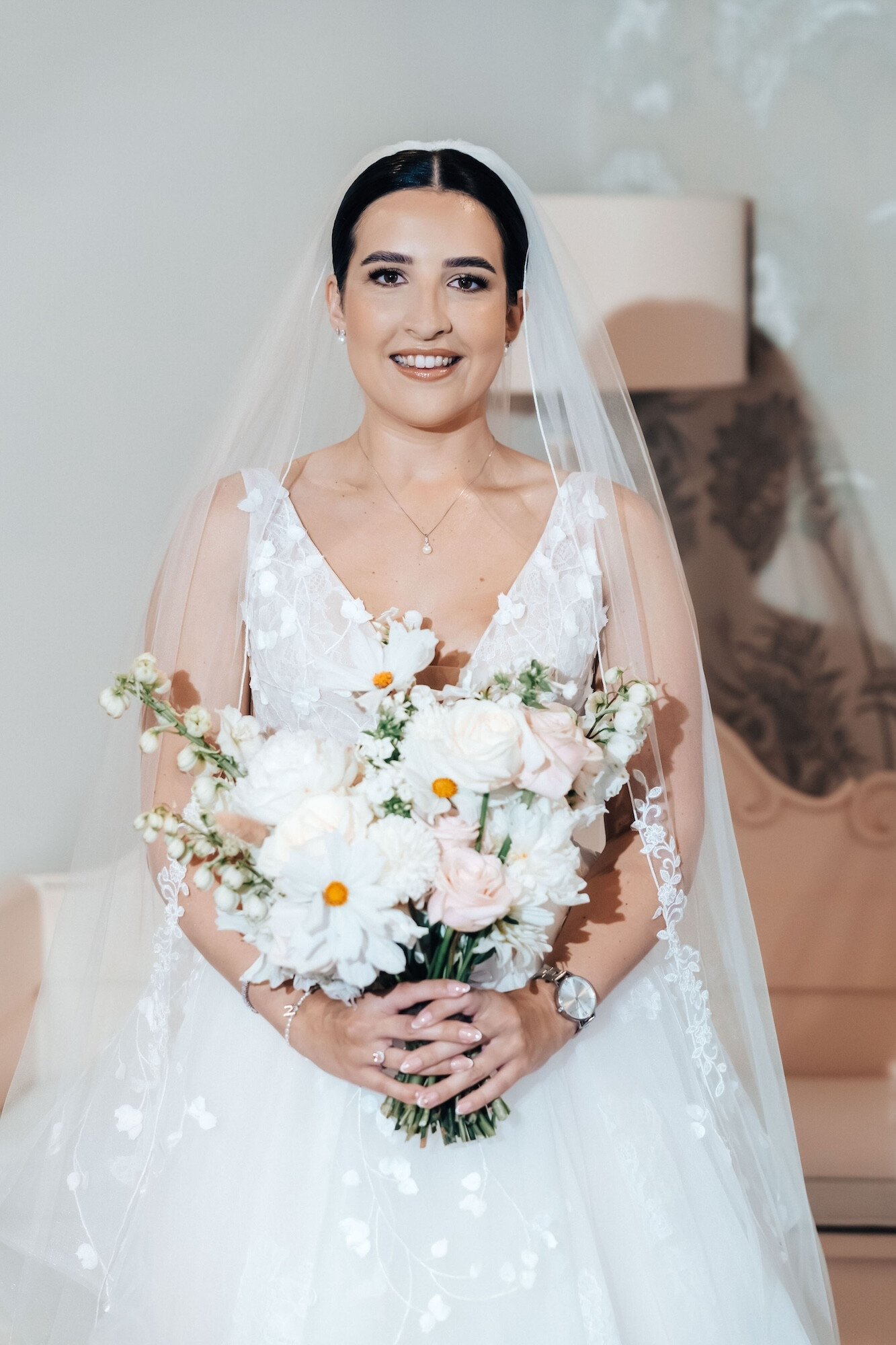
Wedding bouquet ideas by wedding style
Different bouquet styles naturally complement different types of wedding venue styles, bridal dresses and themes.
- Classic weddings often suit posy or softly structured hand-tied bouquets
- Relaxed or garden weddings work well with loose, seasonal designs that feel informal
- Modern weddings tend to favour presentation or minimalist bouquet styles
- Statement weddings may use larger or more sculptural bouquets to create visual impact.
Letting your bouquet reflect the wider style of the day helps everything feel cohesive without being overly coordinated.
Seasonal considerations for bridal bouquets
Seasonality can have a big influence on how a bouquet looks and feels. Looser styles, in particular, work well with seasonal flowers, as they allow for natural variation in colour, texture and shape.
If you're planning your flowers around the time of year you're getting married, our guide to British wedding flowers by season offers a helpful overview of what's typically available throughout the year and how this can influence bouquet choices. Your florist will be able to advise on which flowers work best for your chosen style at that time of year.
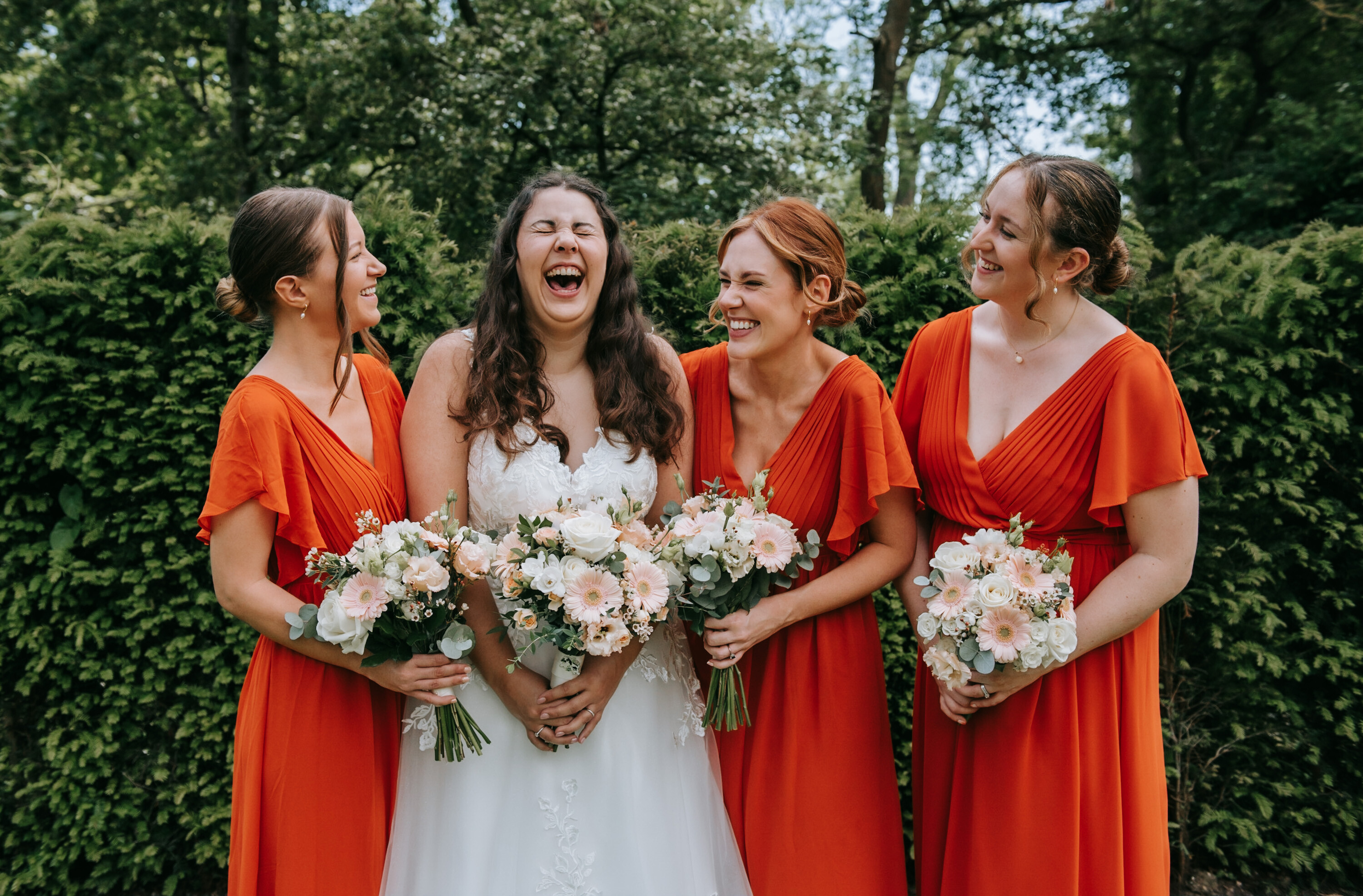
Practical things to think about
Before finalising your bouquet, it's worth thinking about a few practical details that often get overlooked.
- Weight, especially for larger designs
- How it will be carried and set down during the ceremony
- How it photographs from different angles
- Whether you plan to preserve it afterwards.
Your wedding florist can talk you through these details and help you find a balance between style and practicality.
Planning your wedding flowers
Your bouquet is just one part of your wider wedding flower plan. For a wider look at costs, flower types and timelines, our wedding flowers guide covers how everything fits together.