


Choosing your wedding flowers often starts with colour. Whether you already have a defined palette or simply know the overall mood you want to create, colour plays a key role in how your flowers look, feel and photograph throughout the day.
Rather than focusing on exact flower lists, this guide explores wedding flowers by colour, helping you understand how different palettes work in practice. It's designed to support early decision-making, set realistic expectations and make conversations with your wedding florist feel easier and more informed.
Why colour matters when choosing wedding flowers
Colour helps tie your wedding together visually. It connects your flowers with your outfits, décor and wedding venue, and influences the atmosphere of the day, whether that's soft and romantic, bold and expressive, or understated and elegant.
Many couples find that thinking in terms of colour direction, rather than specific flowers, offers more flexibility. This approach allows your florist to work with seasonal availability while still achieving a cohesive and intentional look.
White and green wedding flowers
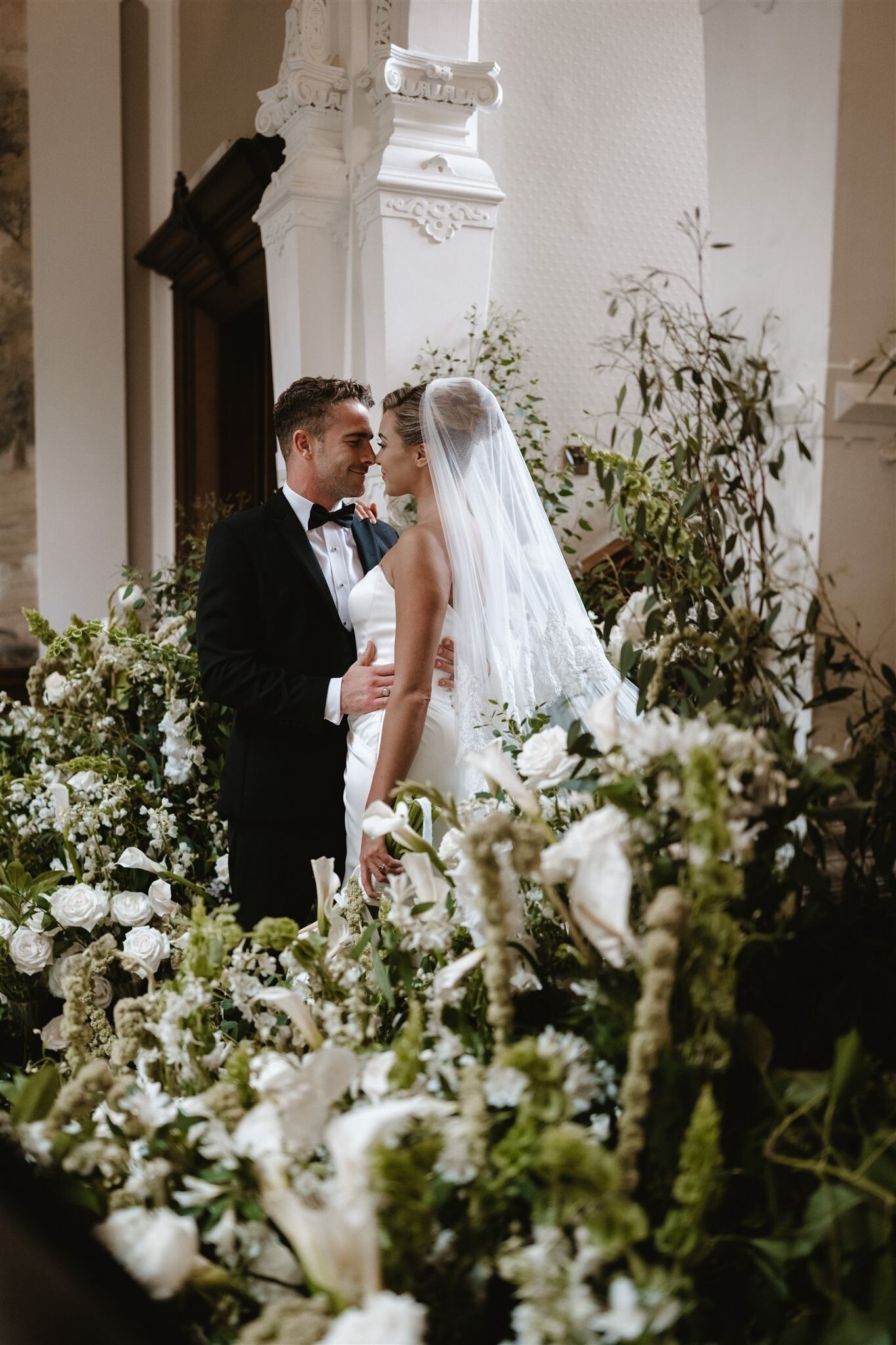
White and green is one of the most enduring wedding flower palettes. It feels timeless, clean and adaptable, working just as well in traditional venues as it does in modern spaces.
These schemes tend to focus on texture, shape and scale rather than contrast. Florists may suggest flowers such as roses or ranunculus alongside layered foliage to create depth without relying on strong colour. Some couples also choose to incorporate plants, succulents or foliage-heavy designs rather than traditional flowers, particularly for table décor or styling accents.
White and green palettes suit couples who want something elegant and unfussy, and they're particularly effective when paired with architectural venues or statement floral installations. Plus, such a simple colour scheme works throughout the year, so you're often not limited to a season if you want this colour scheme.
Pastel wedding flower colours
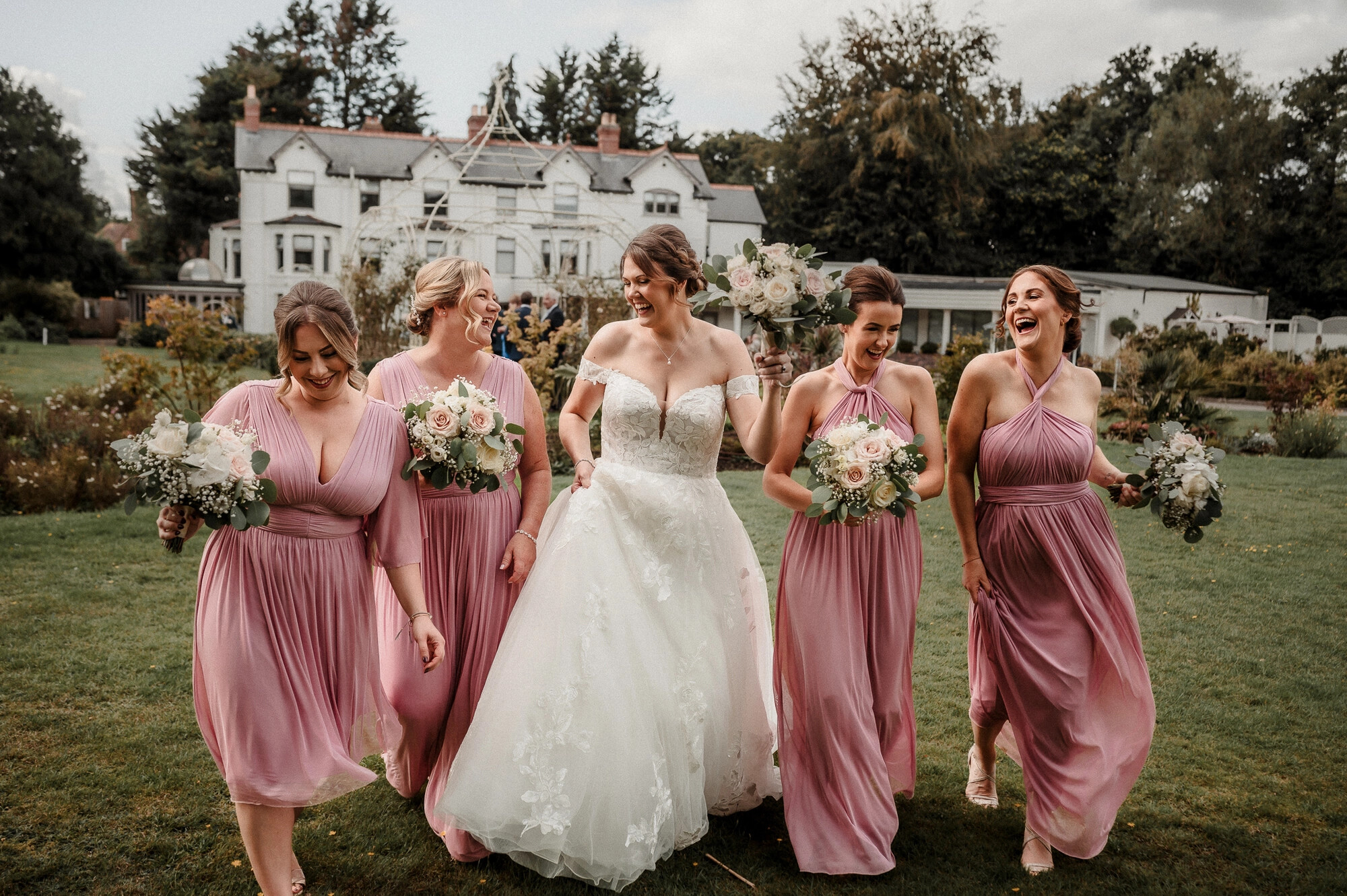
Pastel palettes are often associated with spring and early summer weddings, but they can work at many times of year when handled thoughtfully. Soft pinks, lilacs, pale blues and gentle yellows create a light, romantic feel.
Rather than using one shade alone, pastel designs usually work best when several tones are layered together. This avoids arrangements feeling flat and allows florists to adapt designs to what's available at the time.
Pastel flowers suit relaxed, garden-style weddings especially well, but they can also be elevated for more formal settings with careful styling.
Bold and colourful wedding flowers
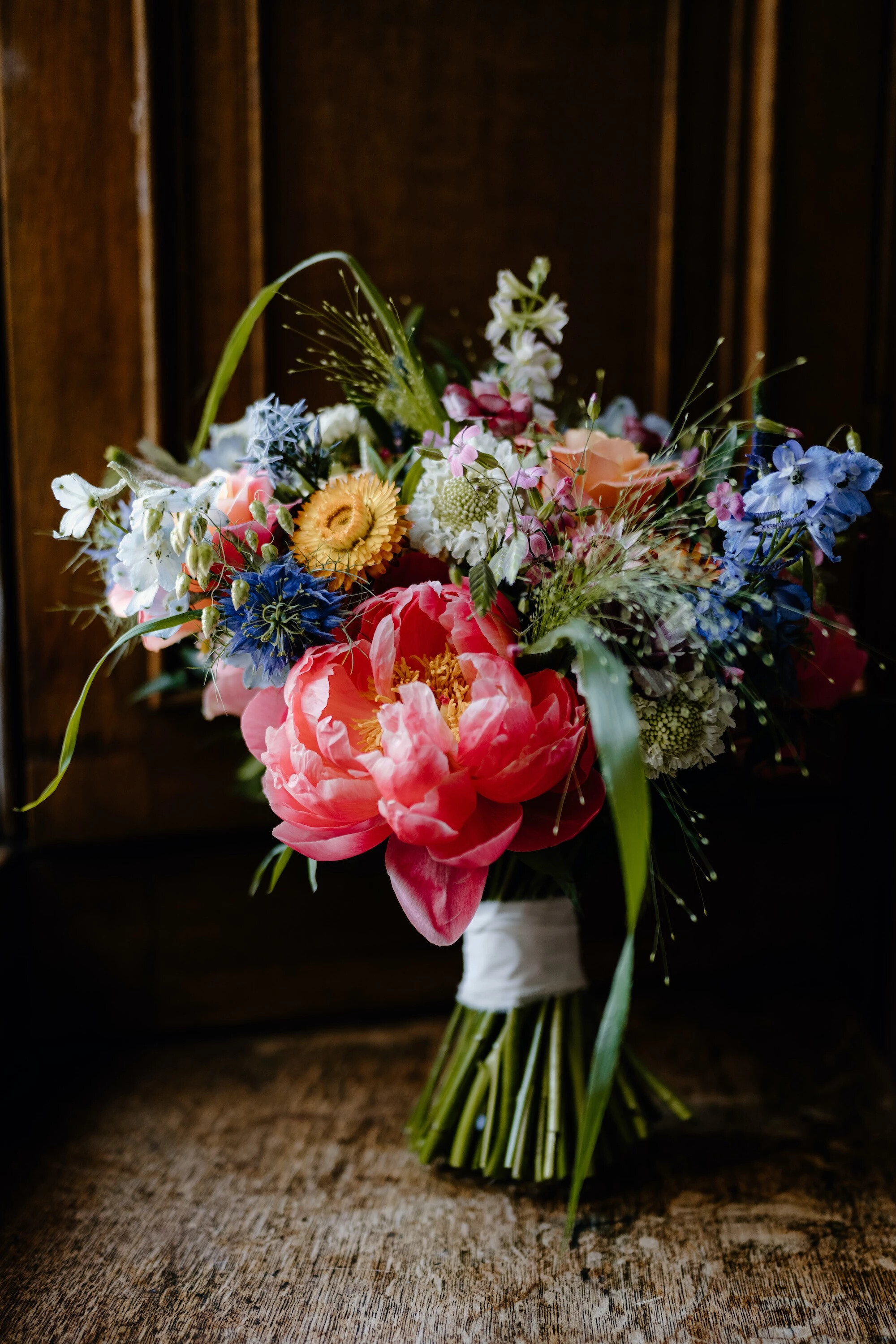
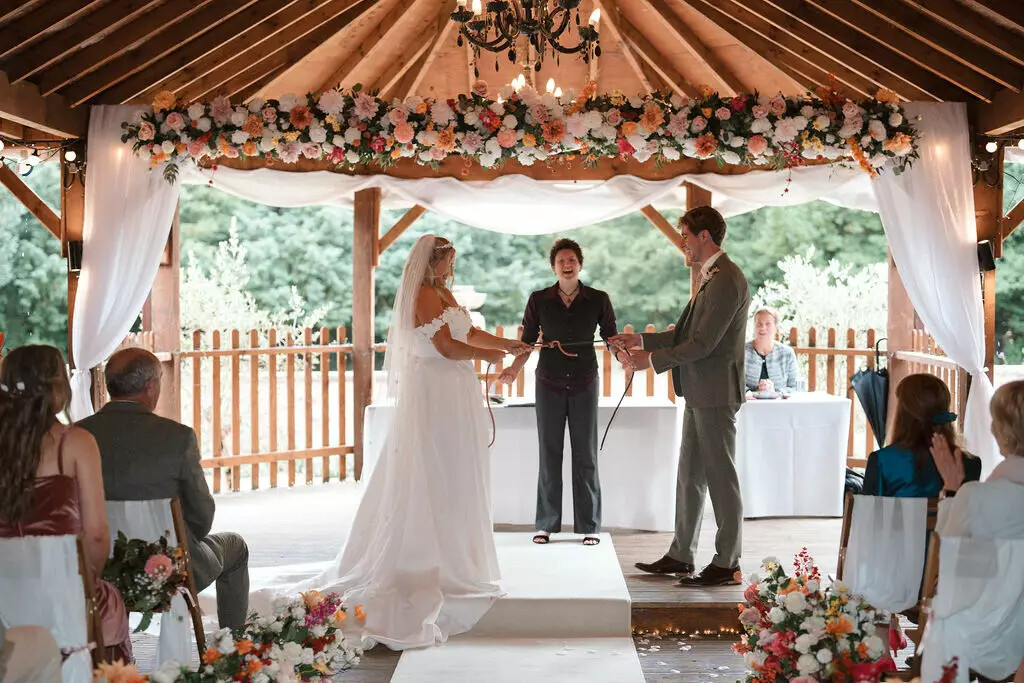
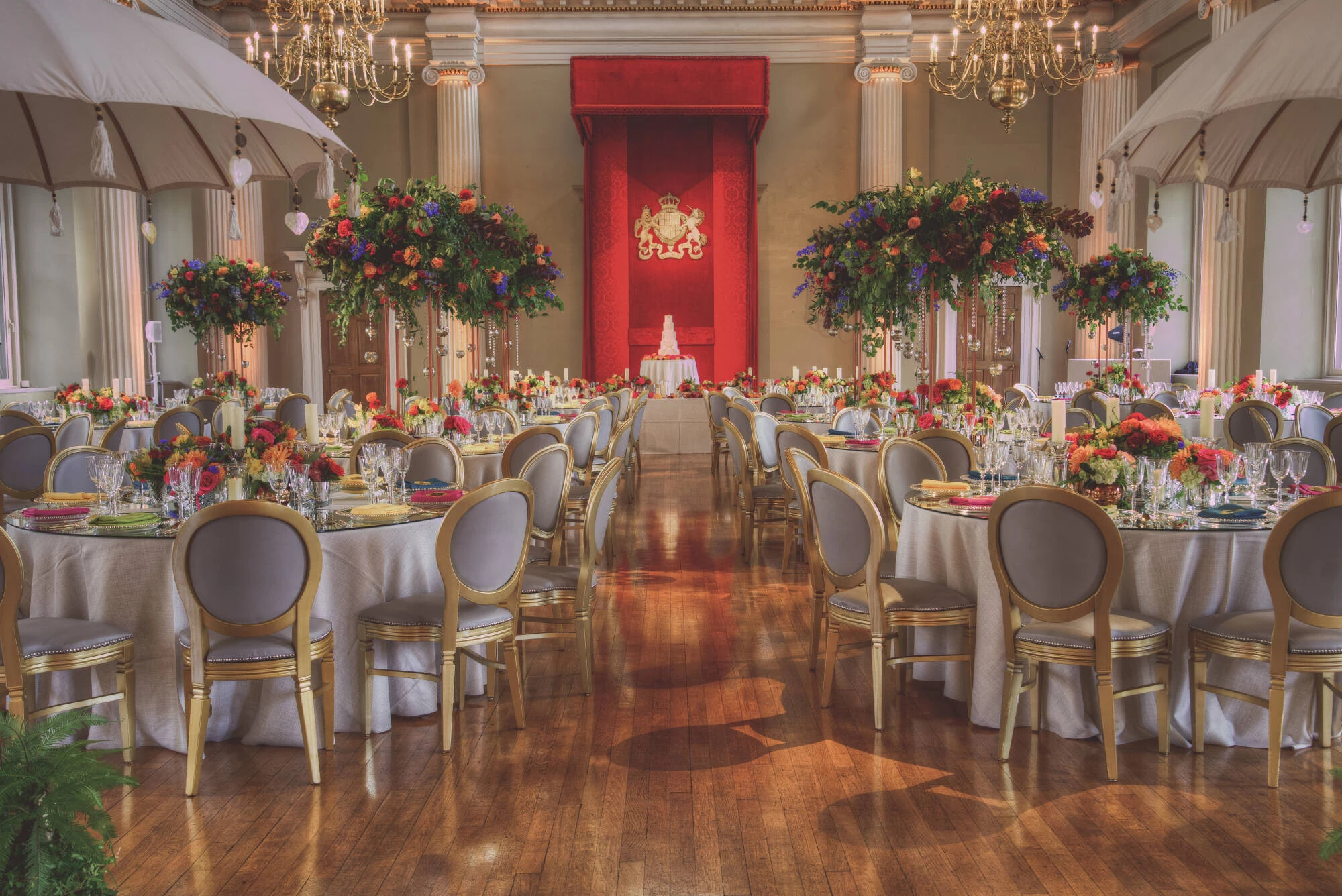
Colourful wedding flowers are often chosen by couples who want their florals to feel joyful, expressive and full of personality. These palettes can include brighter shades or contrasting colours, depending on the look you're aiming for.
Bold schemes tend to work best when balanced with neutrals or foliage, helping individual colours stand out without overwhelming the space. Florists often focus on overall harmony rather than using every colour at once.
This approach is popular for summer weddings, but colourful designs can work year-round when adapted to the season and venue.
Warm autumn wedding flower colours
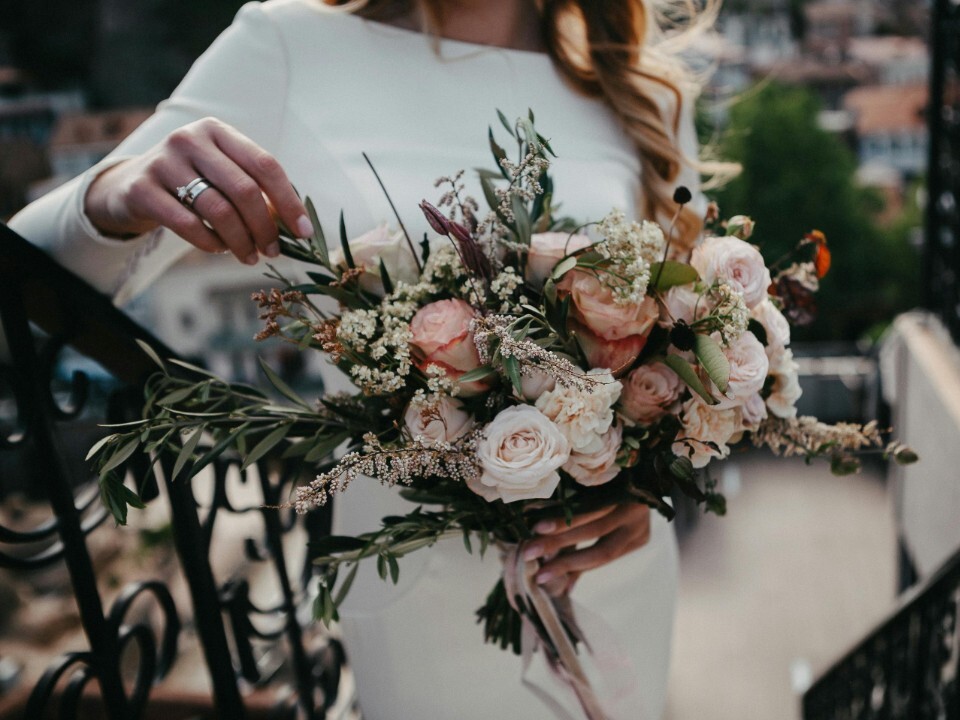
Autumn palettes typically feature warmer tones such as rust, terracotta, muted pinks, burgundy and soft oranges. These colours pair naturally with textured foliage and seasonal styling.
Rather than aiming for uniform colour, autumn schemes often lean into variation, combining tones and textures to create depth and interest. This works particularly well for countryside, barn or relaxed venue settings.
Autumn colour palettes can feel rich and atmospheric without being heavy when designed with balance in mind. Flowers like dahlias are popular choice in early autumn because they offer a wide colour range and strong structure, making them useful for both bouquets and larger arrangements.
Deep and jewel-toned wedding flowers
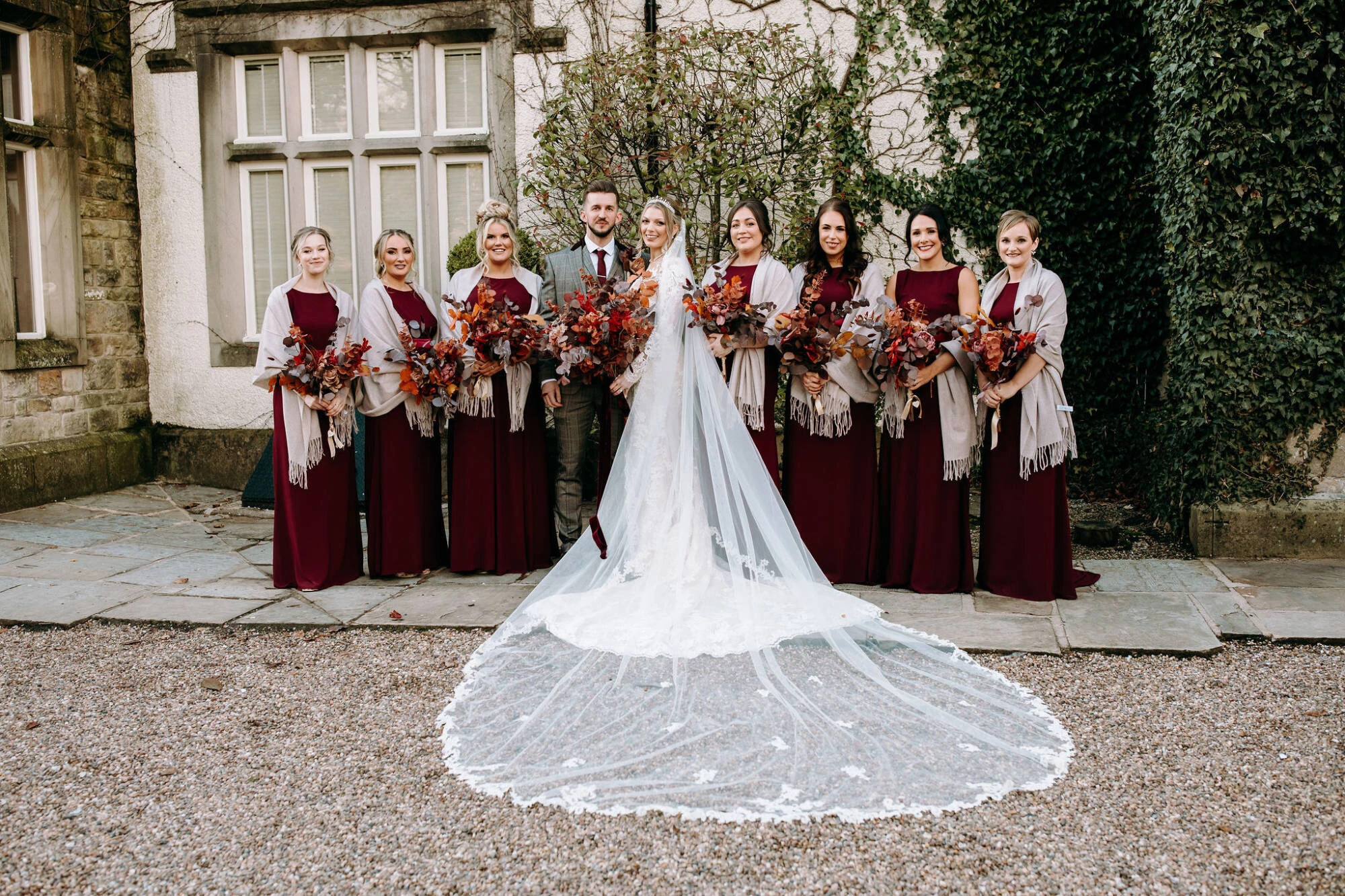
Deeper colour palettes, including shades like plum, wine, navy and emerald, are often associated with autumn and winter weddings, though they can work at other times of year too.
These colours tend to feel more dramatic and formal, making them well suited to evening celebrations or grand venues. Florists often use contrast, pairing deeper tones with lighter flowers or foliage to keep arrangements visually balanced.
Jewel tones photograph particularly well in lower light and can create impact without relying on large quantities of flowers. This makes them really popular for winter weddings.
Choosing wedding flowers by colour in practice
When planning wedding flowers by colour, flexibility is key. Availability can vary depending on season, weather and growing conditions, so it's often more helpful to focus on the overall feel you want rather than exact flower types.
Many couples find it useful to decide on:
- A main colour direction
- One or two supporting tones
- Neutral shades or foliage to balance the palette.
Your wedding florist can then advise on which flowers will best achieve that look at the time of year you're getting married, and where small adjustments may improve availability or cost.

How colour, season and budget work together
Colour choices don't exist in isolation. Seasonality and budget both influence what's achievable. Some colours are easier to source at certain times of year, while others may require more flexibility or creative alternatives.
Leaning into seasonal colour palettes can sometimes help manage costs, as florists can work with what's readily available rather than sourcing very specific blooms. Being open to tonal variation often leads to more natural, cohesive designs.
If you're planning your flowers around the time of year you're getting married, our guide to British wedding flowers by season offers a helpful overview of how availability typically changes throughout the year.
Bringing your wedding flower colours together
Your wedding flowers don't need to match perfectly, but they should feel connected. Bouquets, ceremony arrangements and reception flowers can vary in scale and detail while still sitting comfortably within the same colour palette.
Once you're clear on your colour direction, your florist can help translate that into designs that suit your venue, timeline and overall style.
For a broader overview of wedding flower planning, including costs, timelines and what to expect when working with a florist, our wedding flowers guide explains how everything fits together.